 1
1
 0
0

Fiber has been singled out as a “nutrient of concern,” since 2005, but misunderstandings of what fiber actually is, what fiber does, where it comes from, and how much is required, all together serve to distort the picture of fiber in the diet. As recently as 2016, it was recorded that just 5% of Americans meet recommended levels of fiber in their diet.
Most Americans are aware that fiber is good for digestion and for promoting healthy bowel movements, but beyond the stick of celery with buffalo wings and whole wheat bread, the 5% figure suggests that many don’t know where else to look.
The consequences of getting the fiber question wrong are far more than the occasional bout of indigestion, and can result in a variety of different upsets from immune-system health to hormonal production.
During a process called dehydration synthesis, glucose molecules can bind together to create larger molecules known as polysaccharides. Some examples of polysaccharides are cellulose, chitin, and starch—in other words, fiber. Polysaccharides and fiber have another name as well—complex carbohydrates.
The human digestive equipment is not very effective at processing complex carbs. As a result, they retain their structure as they travel down our GI tract. Simple carbs and sugars are often fully dematerialized long before they reach the large intestine or colon; depriving the bacteria that live there of nourishment.
The colon is the eventual destination of dietary fiber, and it’s there that the fiber is fermented by the microbes that make up our gut microbiota, allowing for a rather fascinating biological process to occur.
When fiber is consumed by these microbes, their waste products are utilized by the body as nutrients. Short-chain fatty acids are one of these compounds; produced when dietary fiber is fermented in the colon. One short-chain fatty acid called butyrate acts as the primary energy source for colonic cells, and is key for colonic health and preventing colon cancer.
T-regulatory cells are members of the immune-cell family which calm the immune system, preventing them from aggressively targeting the host’s biology with excessive inflammation and damage. If dietary fiber is not consumed it’s likely the immune system is operating in a hyper-inflamed state.
It’s this hyper-inflammatory state that has been linked with the increased numbers of cases of chronic autoimmune diseases like IBS or MS, along with food allergies, asthma, and most metabolic disorders. In fact, inflammation seems to be a primary indicator and driver of aging, with most centenarians and supercentenarians displaying a telling lack of inflammation.
If starved of complex carbs, the only source of nourishment for the bacterial ecology within the gut is mucin cells within the mucus membrane which lines the inside of the GI tract. The danger in this is that it enhances gut permeability going in both directions. Immune cells from inside the body inflame and target the bacteria in the gut, while bacteria which would otherwise be harmless if it remained in the gut, can seep into the bloodstream causing further inflammation as the immune system seeks to destroy the harmful agent.
Dig in the Dirt
Most foods that are minimal sources of fiber display the “Good source of fiber” USDA designation loudly on their packaging. While many cereals and whole grain/whole wheat bread and pasta may advertise 3-4 grams of fiber per serving, they are also loaded with inflammation-inducing simple carbohydrates, and are normally fortified with only one form of supplemental fiber, rather than a complement of different starches and cellulose that you’d find in vegetables.
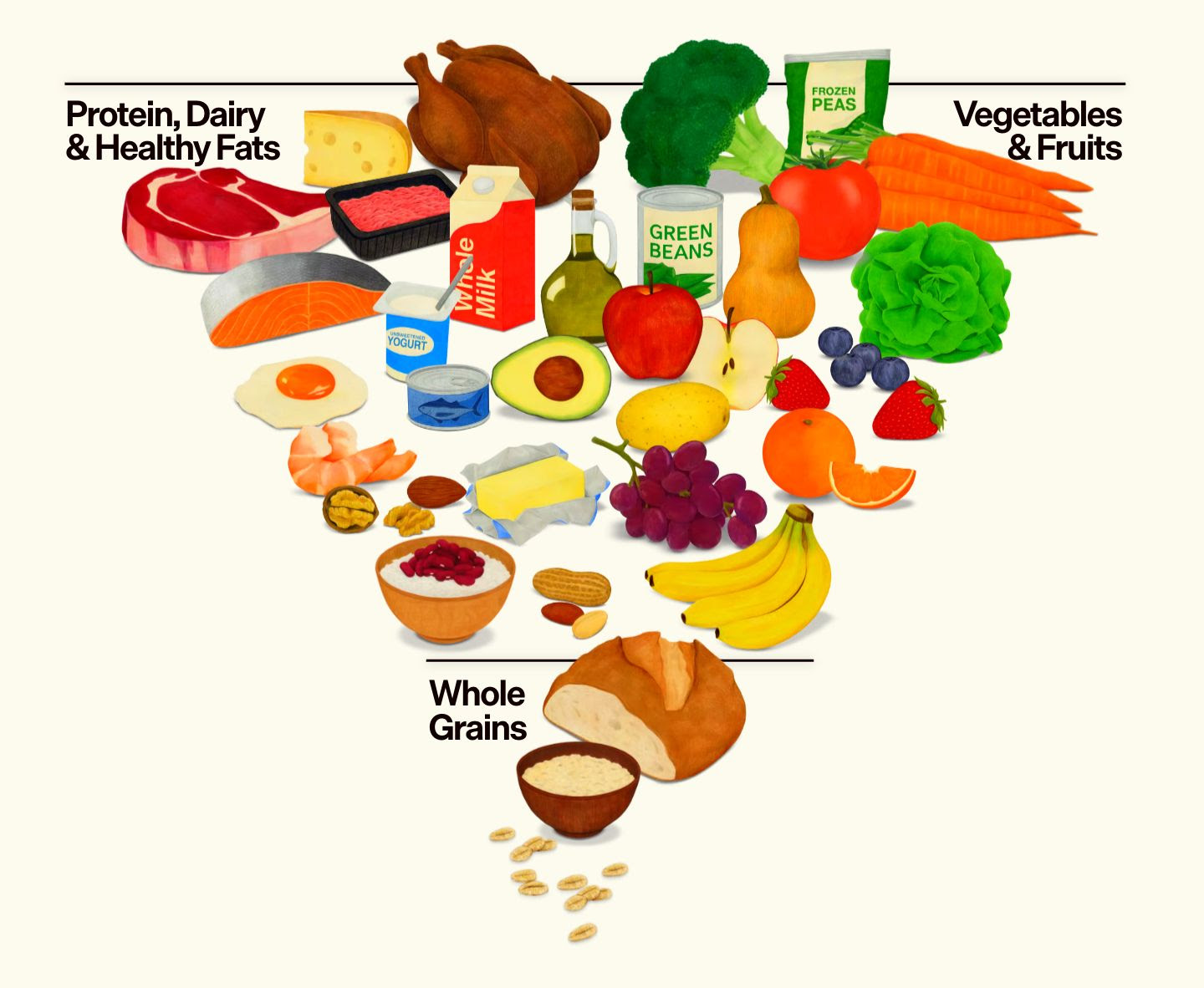
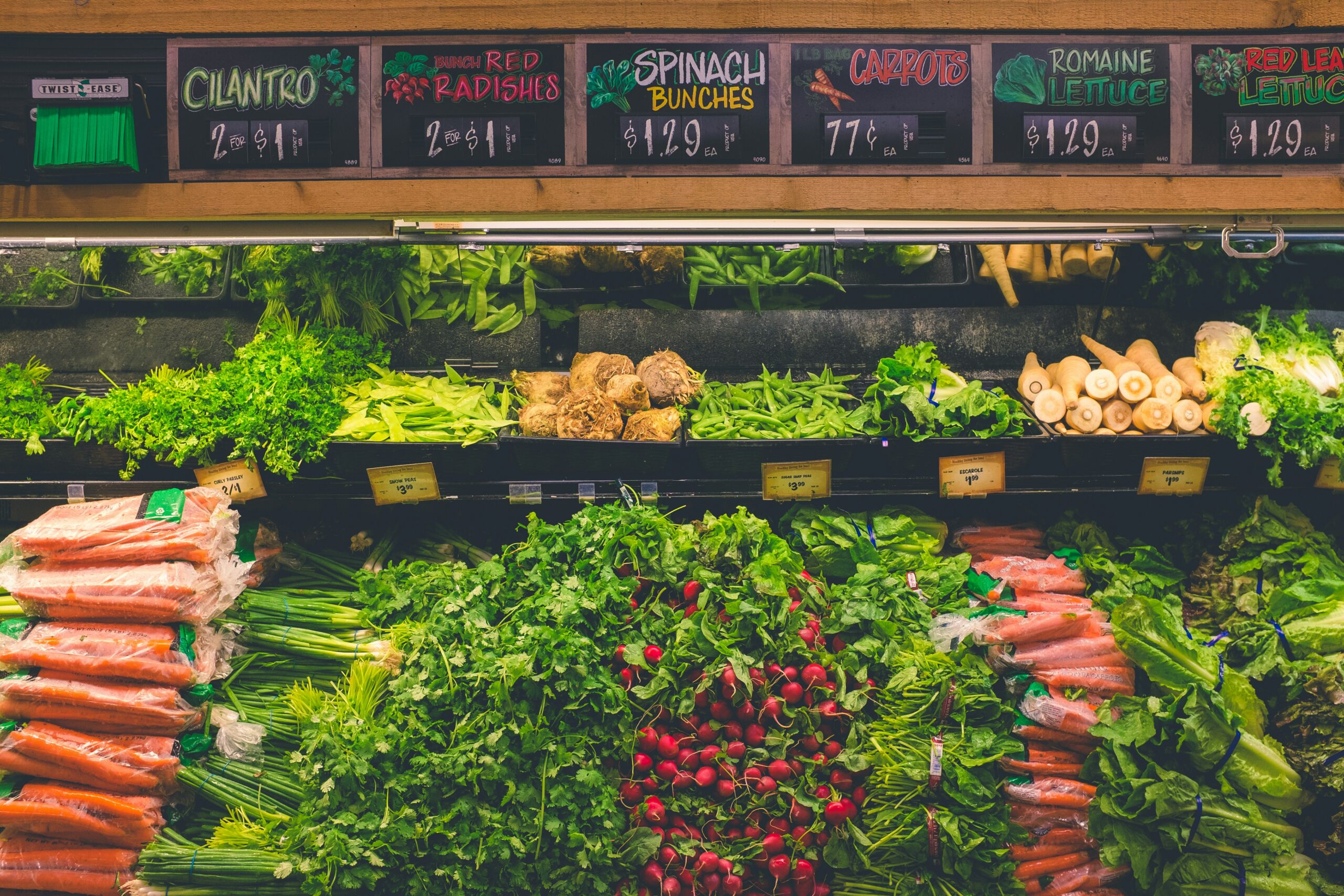
The best sources of fiber is good old-fashioned, dirt-covered produce. Unlike packaged foods such as cereal or different snack bars, vegetables and fruits contain a variety of important phytonutrients including polyphenols, alkaloids, keratinoids, and tannins.
Split peas, lentils, and beans are the best commonly available sources of fiber by weight, but like bread, are also heavy on the carbs. They additionally tend to contain phytate, which blocks the absorption of iron, deficient in almost as many Americans as are deficient in fiber
Any green vegetable is going to contain fiber, while starch-heavy vegetables like acorn and butternut squash, turnips, and parsnips, are also good choices. Finally, nuts and stone fruit, eaten with their skins on, can be a supplemental fiber source, while the carbs in mushrooms are almost entirely polysaccharides called beta-glucans.
In a paper titled “Paleodietics” the author provides a graph demonstrating the immense drop in the presence of fiber in man’s plant-based food sources as he left the Paleolithic era behind. This is due to several reasons, not least of which is the invention of agriculture and the domestication of wheat, grains, and fruit. Early agri-communities began to select for palatability rather than fiber content, resulting in sweeter, softer, and more easily digested produce.
There are a number of scientific papers written on the topic of pre-agricultural societies and their consumption of fiber. While the USDA states that 18 grams of fiber per 1,000 calories is required to stave off the effects of fiber deficiency, it doesn’t appear uncommon for an exceedingly rural community—so rural as to spend considerable time foraging for supplemental food sources, to consume twice that figure or more of fiber in their diet.
Some of these communities live among us still, just enough so that scientists have ascertained that in certain circumstances, the human digestive system has been tooled to accept substantially more than 18 grams per day of fiber. WaL
Follow the link here to see all the ways, monetary and non-monetary, you can support this work and more like it.