 0
0
 0
0

End of the Empire is a once-monthly feature on all news relating to the transition from the unipolar world of the US Empire to a multipolar world.
On Wednesday morning, President Donald Trump issued unelaborated threats on his Truth Social account.
“They’ve [Iran] taken too long to negotiate a deal that would have been great for them, now they will have to pay the price!!!” he said.
In deciding to strike Israel on retaliatory behalf of the besieged Lebanese, Iran shattered what was left of the illusion that the regional hegemon or guarantor lives in Washington, and the unhinged language used in the President’s post reflects that frustration. Over the weekend, with its strategy in the region already foundering, the Trump Administration was left to cobble together the pieces of its half-implemented ceasefire with promises that, like two quarreling 8-year-olds, the regional powers had been sent to their corners to cool off.
Instead, Iran celebrated the successful inauguration of a new “strategic doctrine” of preemptive response to national security threats, and the Israelis, whom Trump assured US media would not retaliate beyond an immediate response, ignored his requests and attacked several locations in Iran.
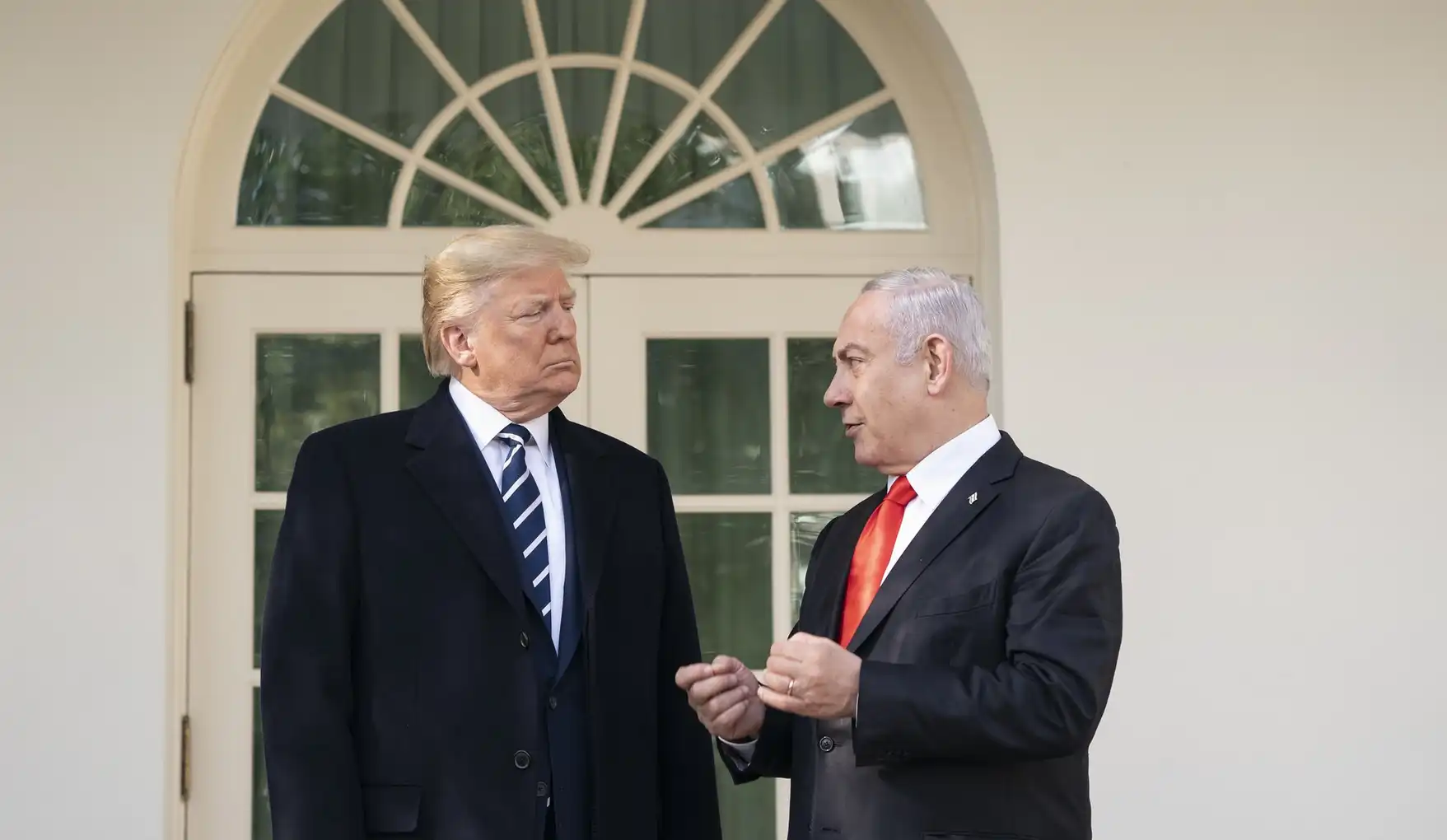
“I am going to call Bibi right now and tell him not to retaliate. Each of them had their fun. Israel had its strike, and Iran had its strike. We don’t need another one,” Trump told Axios reporter Barak Ravid a few hours before Israel did ‘another one’.
Al Jazeera described the event as a move away “from a long-standing policy of absorbing hits first and retaliating at a later time and place of their choosing,” toward “immediately [enforcing] a deterrent warning”.
The Iranian military command said in the “event of continued aggression and provocations, including in southern Lebanon, much stronger and more crushing actions will follow”. Israeli bombing in Lebanon has continued, and may thus provoke further attacks.
“The magnitude of what just happened may take some time to sink in,” wrote Trita Parsi, co-founder of the Quincy Institute for Responsible Statecraft in DC. “Iran’s deterrence had already been restored in the sense that Israel knew that any strike on it would be responded to. But now, Iran has proven that it will also respond to Israeli strikes on Lebanon”.
“This is the first time in decades that a regional power has the means, capacity, and willingness to put hard power against Israeli military maneuvers or aggression against a third party,” he wrote, adding emphasis in the original.
An illusion
Sadegh Amoli Larijani, the head of the influential Expediency Council, described Iran’s doctrinal shift as “the official announcement of a strategic doctrine”.
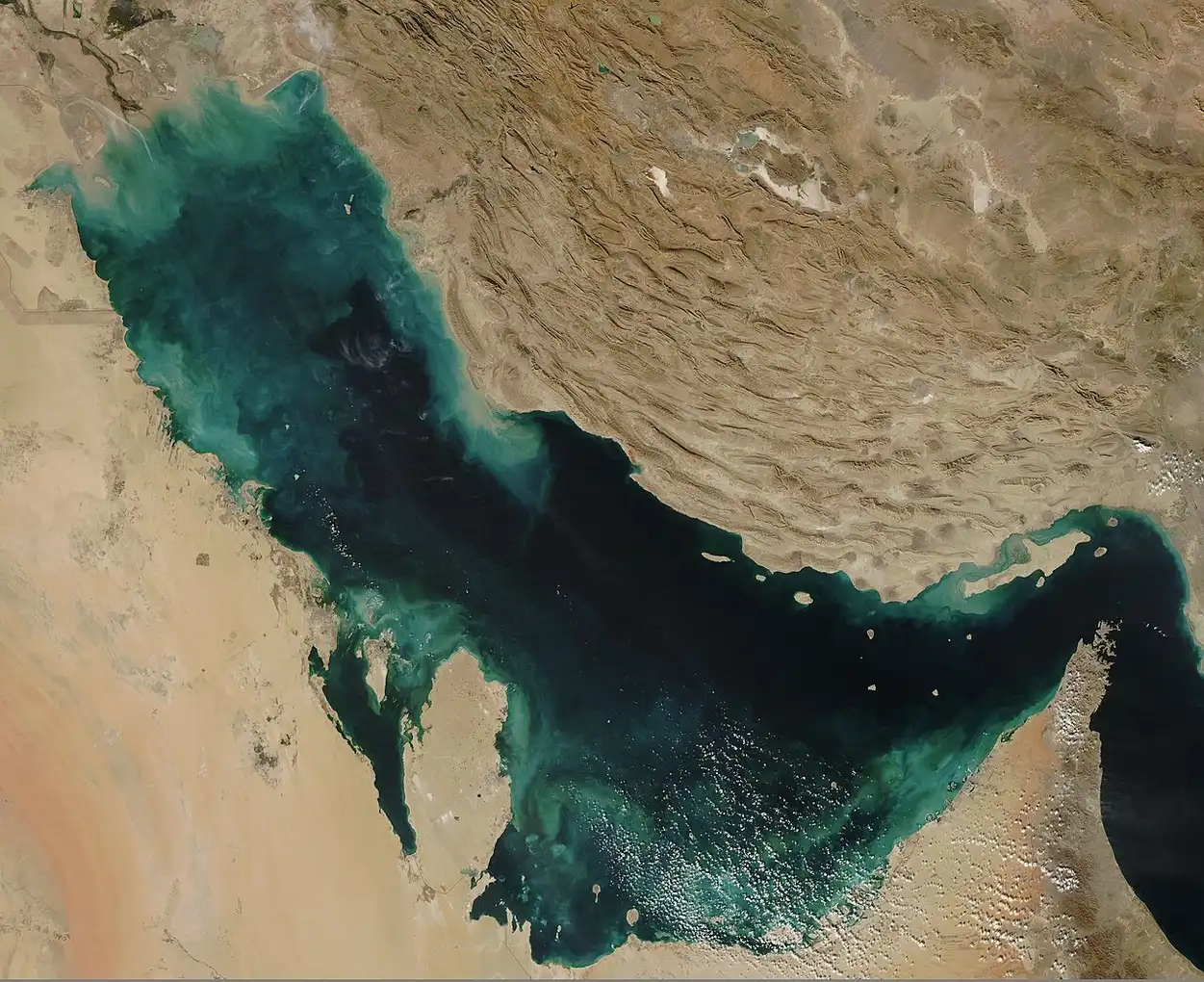
“Tehran has opened a new chapter in its defense policy; a chapter in which safeguarding regional power is followed not through awaiting threats, but through taking initiative and offensive power,” he wrote in a statement on Monday. The commander of Iran’s Islamic Revolutionary Guard Corps (IRGC) Quds Force Esmail Qaani, paralleled this statement by announcing the creation of a “new security belt” managed by the Axis of Resistance, spanning from the Strait of Hormuz to the Red Sea.
Previously, attacks such as the bombings of the Iranian nuclear facilities in June, 2025, were responded to by the IRGC with token displays of force, which may have also been communicated to US forces in the region ahead of time.
When considering the myriad of factors: the damage Iran was able to inflict on American bases in the region, US Central Command’s inability to effectively assist Gulf allies to defend their economic and productive assets, and the inability to force open the Strait of Hormuz, it’s abundantly clear that the illusory status quo ante bellum of American regional hegemony cannot be restored; that President Trump decided to call at the poker table, and the Iranians showed a stronger hand.
Now, with Israel’s unwillingness to cease attacks in Lebanon, Iran’s promise of future attacks on Israel should it not do so, and Yemen announcing a shutdown of Red Sea shipping linked to Israel, America, or their supporters, President Trump’s overtures about making “deals” and “ceasefires,” of him “getting along well” with the Khamenei the Younger are seeming increasingly like desperate bluster.
“If the Houthis follow through on their threats to block Israeli shipping, then the Trump administration will face significant pressure to help Israel reopen the key strategic waterway, which is now a crucial pathway for exporting Persian Gulf oil from Arab states because of the Hormuz closure,” wrote Conor Echols, managing editor at Responsible Statecraft. “But even the US military has shown a limited ability to force the Houthis to stand down, despite the best efforts of both the Biden and Trump administrations in recent years”.
That’s another way of saying that trillions of dollars can’t get much out of the Pentagon these days. The Houthi forces engaged the US Navy in the longest-running sea battle since World War II and drove off the aircraft carrier strike group sent to try and police the Red Sea. Many shipping companies re-routed around Africa and away from the Suez Canal, during the monthslong battle.
Iran may have shot down a US Apache helicopter gunship overnight in the Gulf, which brought a US retaliation that struck a water tank and some communications infrastructure. Swift retaliation saw Iranian missiles launched at US positions in Jordan, Bahrain, and Kuwait. Trump had previously said the Iranians need to “get back to the table and make a deal”.
Echols, and indeed Iranian leaders have made it clear: if Trump wants a lasting cessation of hostilities and open waterways, he must restrain Israel, a nation that has proven indignant to any attempt by the most Zionist US president in modern times to do anything of the sort.
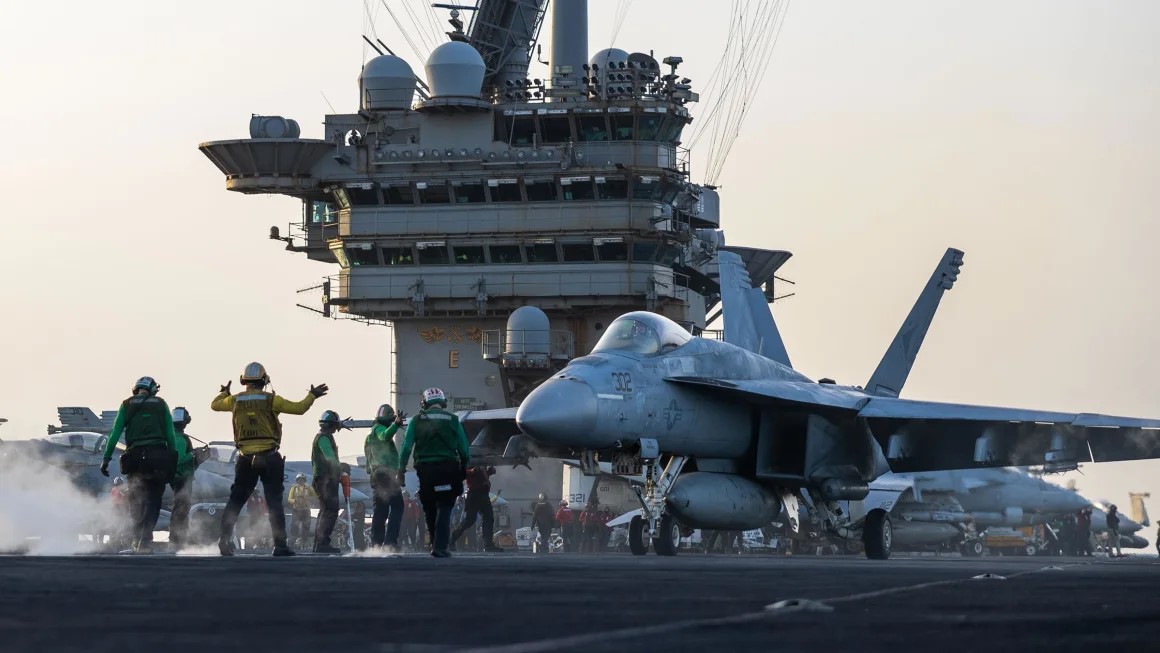
President Trump told the media before Israel commenced a second round of retaliation against Tehran that “Netanyahu doesn’t call the shots… I call the shots”. The truth is neither men call the shots now. Barring nuclear bombing of Tehran, the “shots” such as they are will now, as in much of the rest of the world, reflect a multilateral geo-strategic power balance, and Washington’s might—sequestered now almost entirely onto a single pair of aircraft carriers which cannot stay in the Persian Gulf forever—is just one part of that balance. WaL
We Humbly Ask For Your Support—Follow the link here to see all the ways, monetary and non-monetary.
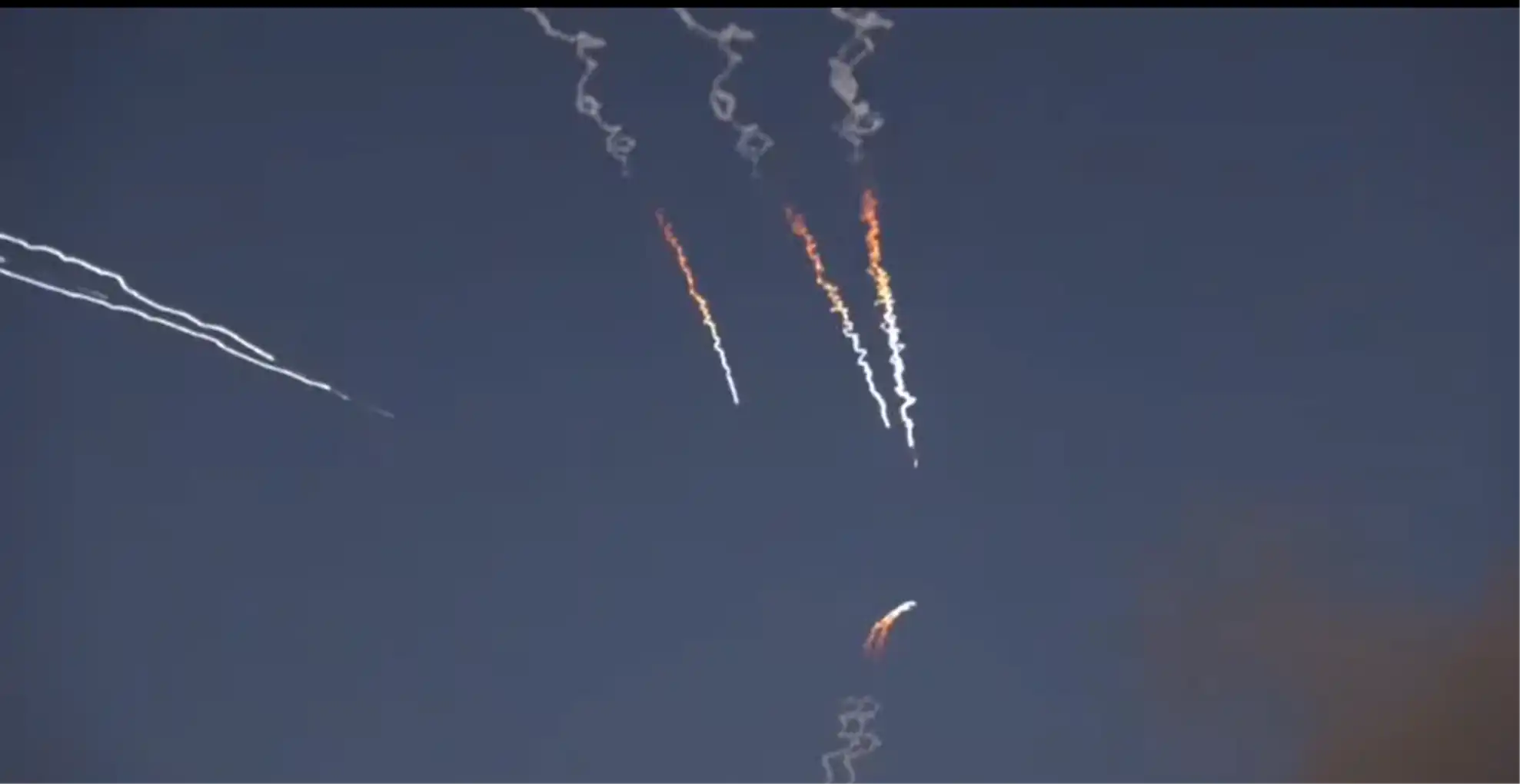
PICTURED ABOVE: Footage recorded by an operator of the IRGC Aerospace Force shows the launch of 11 solid-fuel Kheibar Shekan ballistic missiles toward Jordan. PC: @OSINTWarfare via X