 0
0
 0
0

Central banks returned to being net purchasers of gold in April, recording 19 metric tonnes of reserve additions. Poland, China, Czechia, reported the highest purchases, Uzbekistan and Russia the largest sales.
The report from the World Gold Council comes off the back of large sales in April from Turkiye and Russia to support their local currencies, a function which makes gold especially valuable for central banks. Q1 2026 saw the highest averaged gold price over a quarter in history, and it was a period where major gold mining companies reported record earnings.
Total central bank buying amounted to 244 tonnes of the yellow metal in Q1, a 3% year-over-year increase, with Uzbekistan, Malaysia, Kazakhstan, Cambodia, Guatemala, Kyrgyzstan, and Serbia rounding out the top ten purchasers.
The high price did not deter routine gold buyers Poland and China, who added to their reserves for the 36th and 18th consecutive months.
Neither was the buying deterred by the spike in global fixed income yields, with nations such as Japan, Germany, and the US seeing medium and long term yields reach multi-decade highs in mid-May.
Gold-backed ETFs returned as a buyer of gold in Q1, accumulating some 62 tonnes of gold after seeing net sales in March. It’s lower than Q1 2025, when ETFs added 230 tonnes to their positions in order to satisfy demand as gold began a steady move to the prices we see today.
World Gold Council also reports that demand on mints for coins and bars was robust at 474 tonnes bought (+42% quarter-over-quarter) with East Asia accounting for most of the demand.
Even gold as a manufacturing component rose, accounting for 82 tonnes of demand in Q1, a 1% increase from the previous year.
The dual reports from the Council represent lagging indicators, representing an unprecedented pricing period in gold’s history. Of late, a resurgent US stock market and a long, though now seemingly dying peace process in the Strait of Hormuz, has kept gold at the lower end of its 2026 trading range for weeks. Investors will be interested to know whether this past demand remains strong or has cooled off.
Cold water
A much-better-than-expected US jobs report from May poured cold water over the US and East Asian markets, with many AI, tech, and semiconductor stocks all experiencing substantial downturns, while gold fell more than 2%. A common US market rhythm is that if bond yields rise, gold will fall, as the two assets compete for investors’ safe haven dollars. The higher the bond yield, the greater the opportunity cost of owning gold.
The robust jobs market data, which may not have been as robust as first thought due to most of the jobs being in the hospitality, government, or healthcare sectors, lessened the likelihood of a Federal Reserve rate cut in the eyes of Wall Street, leading bonds yields to rise and gold, particularly the miners, to fall. Shares of both Newmont Mining (NYSE: NM) and Barrick (NYSE: B) were down over 7% on Friday.
Inflation fears among US-dollar denominated assets didn’t stop $27 billion worth of 10-year notes being bought at the Treasury Department’s May auction, with a bid-to-call ratio of 2.4. The most recent price inflation data in the US held steady at 3.8% annualized, almost double the Fed’s 2% target.
Furthermore, oil prices, which have been steadily decreasing as the peace process dragged on, jumped and began climbing on Sunday after Iran launched a salvo of missiles at northern Israel in response to what it called repeated violations of the April 8th ceasefire, referring to the latter’s attacks on Lebanon, and in Beirut in particular.
A failed call for restraint by US President Donald Trump saw Israel respond with attacks across Iran, which led the Iranian Revolutionary Guard Corps. to launch more missiles, plunging the region into crisis again. Rising oil prices, which are a heavy drag on open-pit gold mining, brought the mining sector down during the first month of the war, and seem poised to continue rising.
Such developments may very well weigh on gold, and chase it perhaps even further down to test $4,000 per ounce for the first time this year. Central bank buying, however, remains undeterred on the face of it. Some analysts suspected that Turkiye’s sale of 60 tonnes of gold to support the depreciating lira was a bearish sign for gold, but it neatly demonstrated the utility of gold for this very situation, namely, a need of foreign currency to import oil and to stave off the effects of a strengthening US dollar. WaL
We Humbly Ask For Your Support—Follow the link here to see all the ways, monetary and non-monetary.
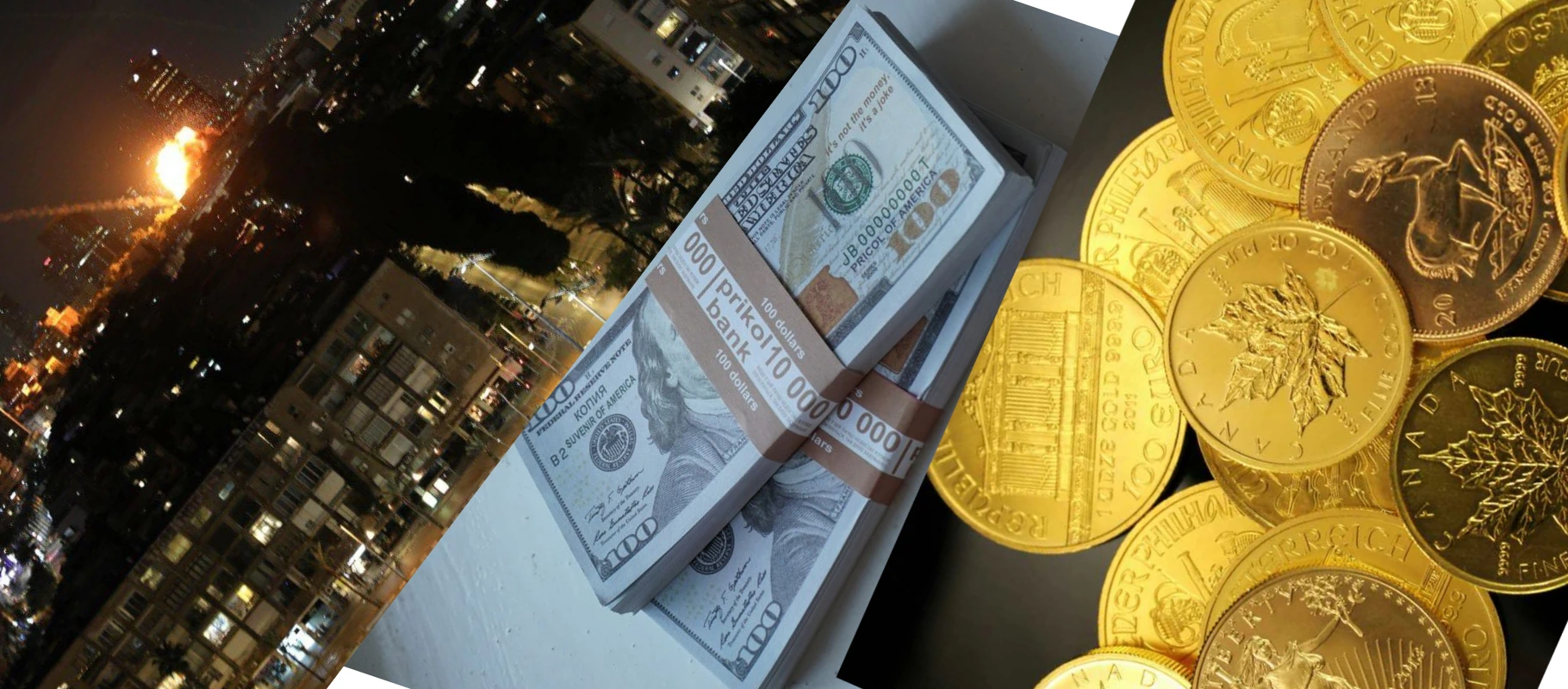
PICTURED ABOVE: WaL composite. PC: @OSINTWarfare /Zlaťáky.cz





Poland and China adding gold for 36 and 18 consecutive months, respectively, suggests reserve diversification remains a strategic priority even at record prices. The contrast with Türkiye’s 60-tonne sale also highlights gold’s liquidity during currency stress rather than proving that central-bank demand has reversed.