 0
0
 0
0

With a full trading day and a bit behind the Federal Reserve’s quarter-point rate hike, the US bond market doesn’t seem particularly phased in its course to demand yields well-above the current Fed funds rate.
In pre-trading hours, the key 2, 10, and 30-year US Treasuries all sat very close to recent highs despite initial pullbacks during Wednesday’s announcement. Dot plot projections by members of the Federal Reserve Open Market Committee (FOMC) saw interest rates sitting at 4.1% by the end of the year, suggesting more rate increases to come, and yields reflect very much the same.
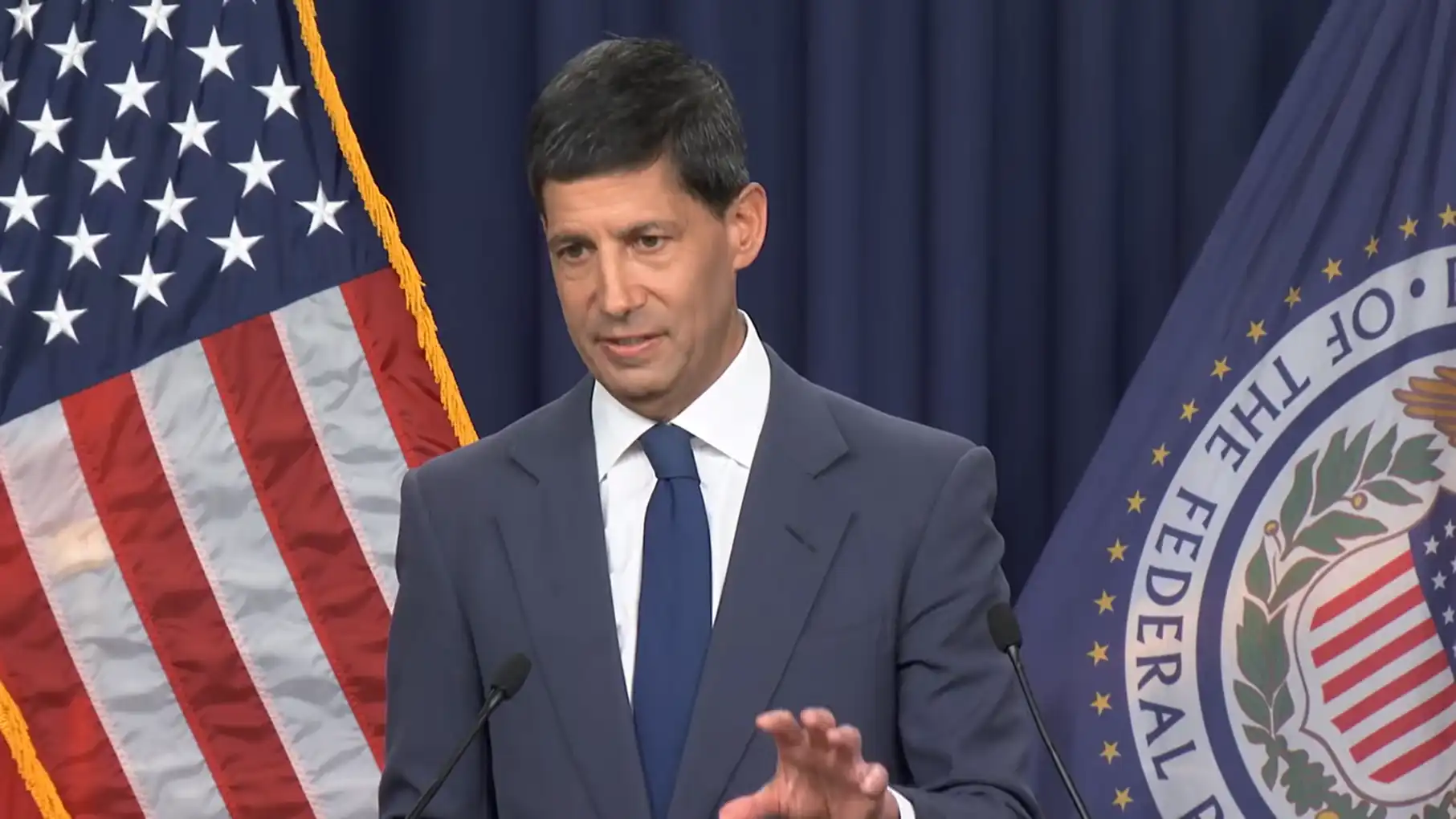
It was the shortest press conference ever held by a Fed Chair, as Kevin Warsh delivered what 88% of market participants anticipated, answered every question on a spectrum from “no” to “I can’t answer that” and left after just over half an hour.
“Chair Warsh’s characterization of the hike as ‘removing a dose of accommodation’ was understood as a hawkish assessment, i.e., policy is still accommodative,” Managing Director and Chief Market Strategist at Bannockburn Global Capital, Marc Chandler, wrote in a note. “However, the market still seems more hawkish than the Fed and has three more hikes discounted over the next 12 months”.
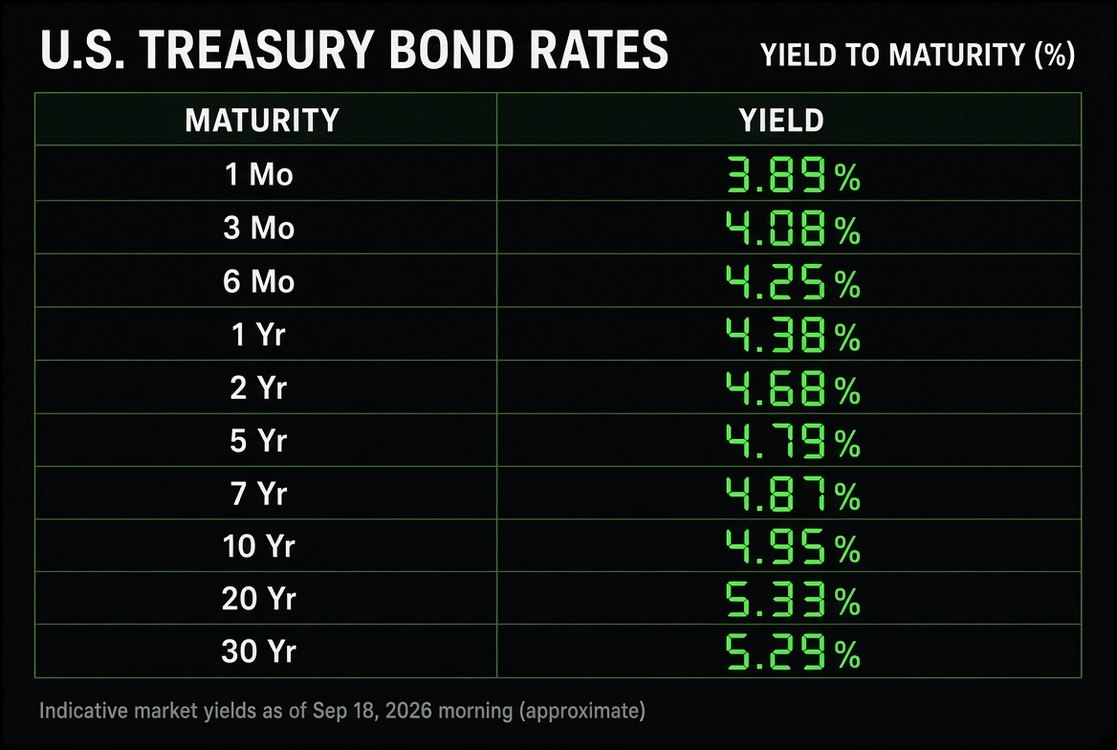
Those hikes can be seen at current bond yields, with the 2-year at 4.72%, 10-year at 4.95%, and 30-year at 5.30%.
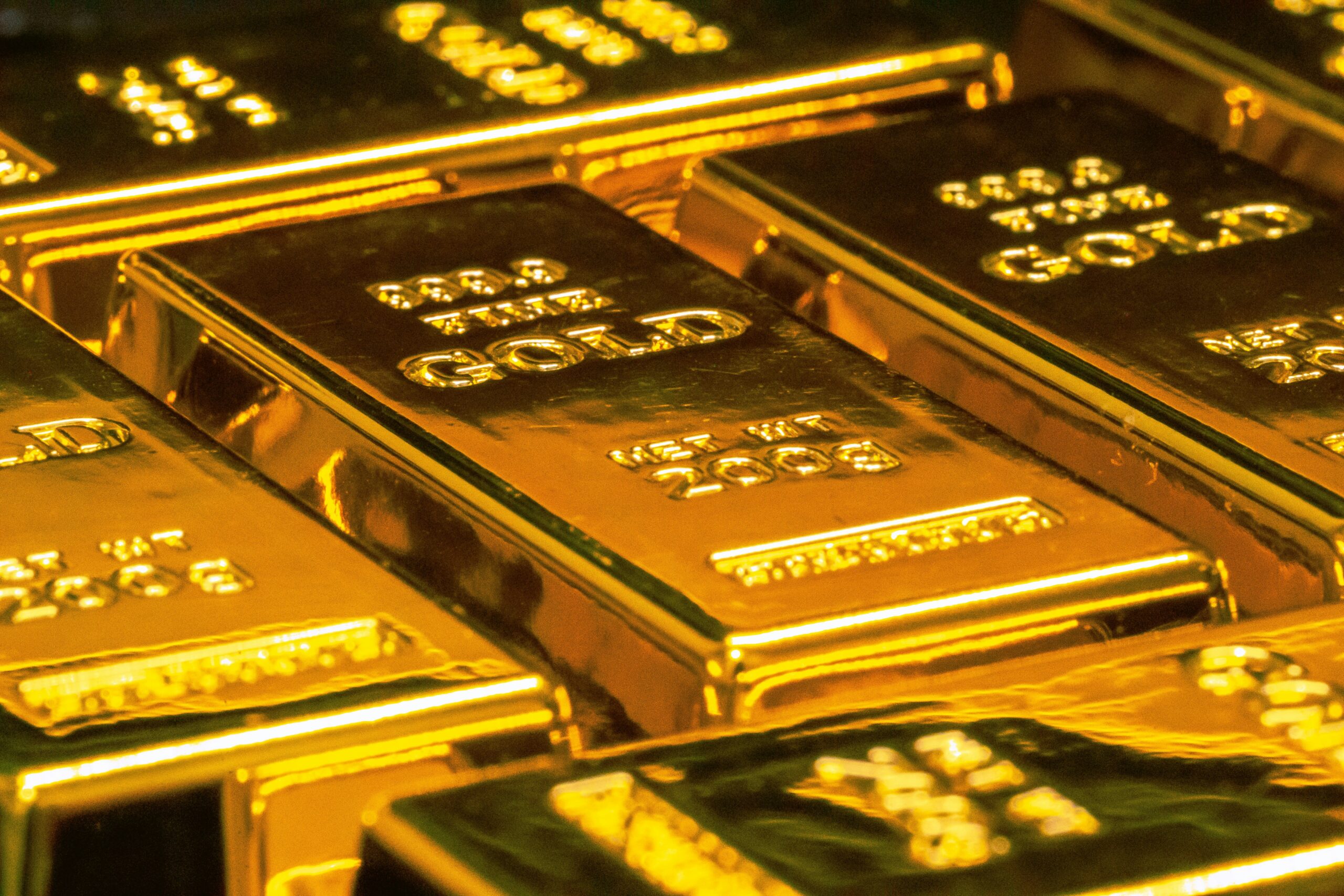
Precious metals prices rose off the announcement after a brief fall, with gold posting a 1.8% rise on Thursday, it’s highest gain for a couple of weeks and closing above $4,400 an ounce before Asian trading brought it down a little. Silver rose even more, 3.6%, touching a bullish trendline.
These come despite oil still being above $100 a barrel. Oil and precious metals often trade in opposite directions. Higher oil prices not only mean higher costs for mining operations, affecting gold equities like miners, but tend to show up in price inflation numbers which raise bond yields and increase the opportunity cost of holding the non-interest-yielding yellow metal.
The GDX, an ETF that trades according to an index of the world’s biggest gold miners, was solidly up in pre-market trading 1.22%. The GDXJ which tracks small and mid-cap miners, as well as some developers, was up even more at 1.46%, despite the rise in oil and record diesel prices which can weigh all the more on smaller operations.
“The summer months brought no pause in central banks’ efforts to build up their gold reserves, with total reported purchases exceeding 287 tons so far this year,” wrote Paul Hoffman in an analysis on BestBrokers based on data from the World Gold Council. “China’s 60 tons in 2026, [is] more than twice its 2025 increase of 27 tons”.
JP Morgan Chase still has a target for $6,000 gold by year’s end, which would require some serious horsepower to reach with just one quarter of the year to go. If it does, this unrelenting central bank buying will be a key element in reaching it, as would the current interest rate expectations.
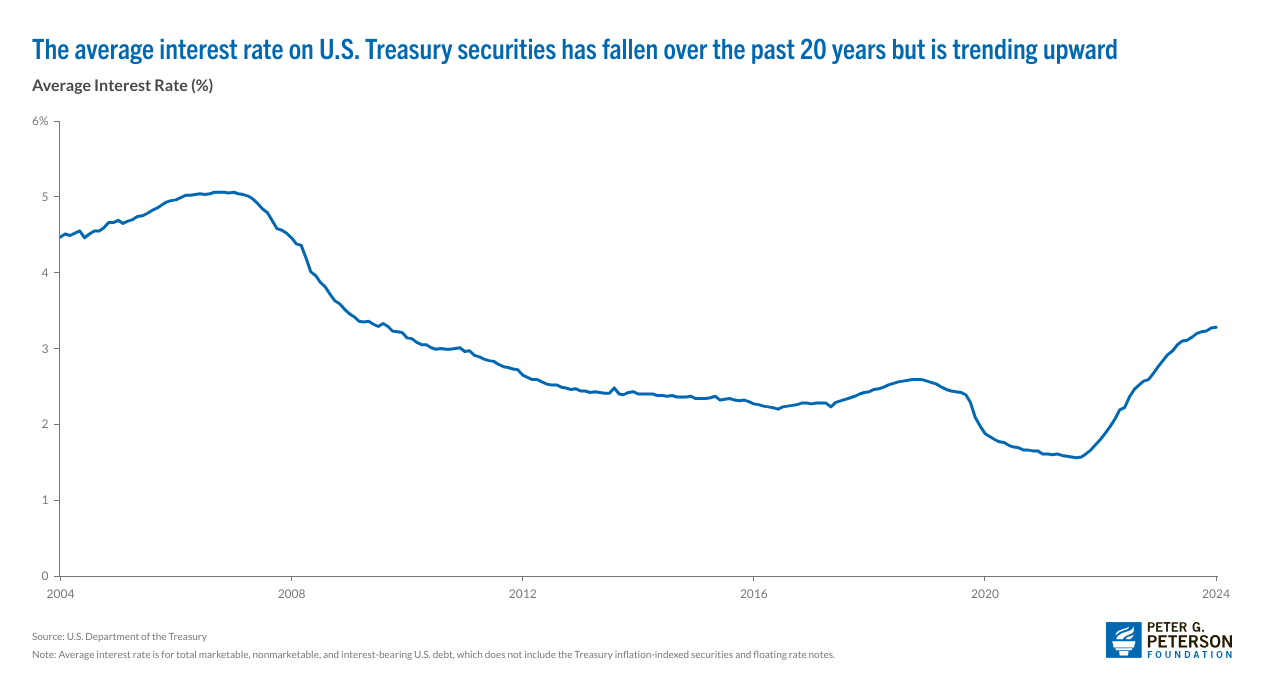
While it’s fair to say that bond yields are being driven up by consistent levels of price inflation in the US, some of that upward pressure will be driven by fiscal policy: that the US has reached $40 trillion in national debt, that more spending proposals are being touted, such as expanded buybacks of long-dated bonds, the bailout of the Japanese yen, and President Trump’s idea of sending voters $5,000 checks if the Republicans maintain control of the Congress after the November midterm elections.
“None of us own enough hard assets,” remarked Tavi Costa, founder of Azuria Capital, in response to what would cost somewhere in the neighborhood of $1.2 – $1.5 trillion to finance. WaL
We Humbly Ask For Your Support—Follow the link here to see all the ways, monetary and non-monetary.
PICTURED ABOVE: Current Treasury yields, pre-trading hours on September 18th, 2026. PC: generated by AI.