 0
0
 0
0

Future data releases notwithstanding, the response from Wall Street to the Federal Reserve Open Market Committee’s decision not to raise interest rates, and the subsequent press conference from recently-appointed Chair Kevin Warsh really drove home that Fed credibility is hanging by a thread.
Ceteris paribus, the Fed simply must raise interest rates in the September meeting or risk a collapse in both the bond market and trust that the Fed can or has the willingness to reduce price inflation to its stated 2% goal.
In the conference, Warsh briefly used the example of the “revealed preference” in economic studies to answer a question about whether the markets have reason to believe that the Fed sees 2% annualized price increases as a “soft target”. His answer was that it most certainly isn’t, and that the decision to leave rates at between 3.25% to 3.50% does not reflect a revealed preference.
The headlines from international financial media responded virtually in unison; somewhere between “show us” and “we don’t believe you”.
“The bond market to Kevin Warsh: What are you doing about inflation?” wrote CNN.
“Kevin Warsh Asked the Market to Speak. It Answered” wrote WSJ.
“The bond market isn’t buying what Kevin Warsh is selling” wrote Reuters.
“Fed Chairman Kevin Warsh’s credibility in question after rates left unchanged” wrote CNBC.
This unanimity was expressed more or less by the questioning journalists at the conference as well: whose inquiries could almost all be summarized in the same simple statement: “what are you waiting for?”
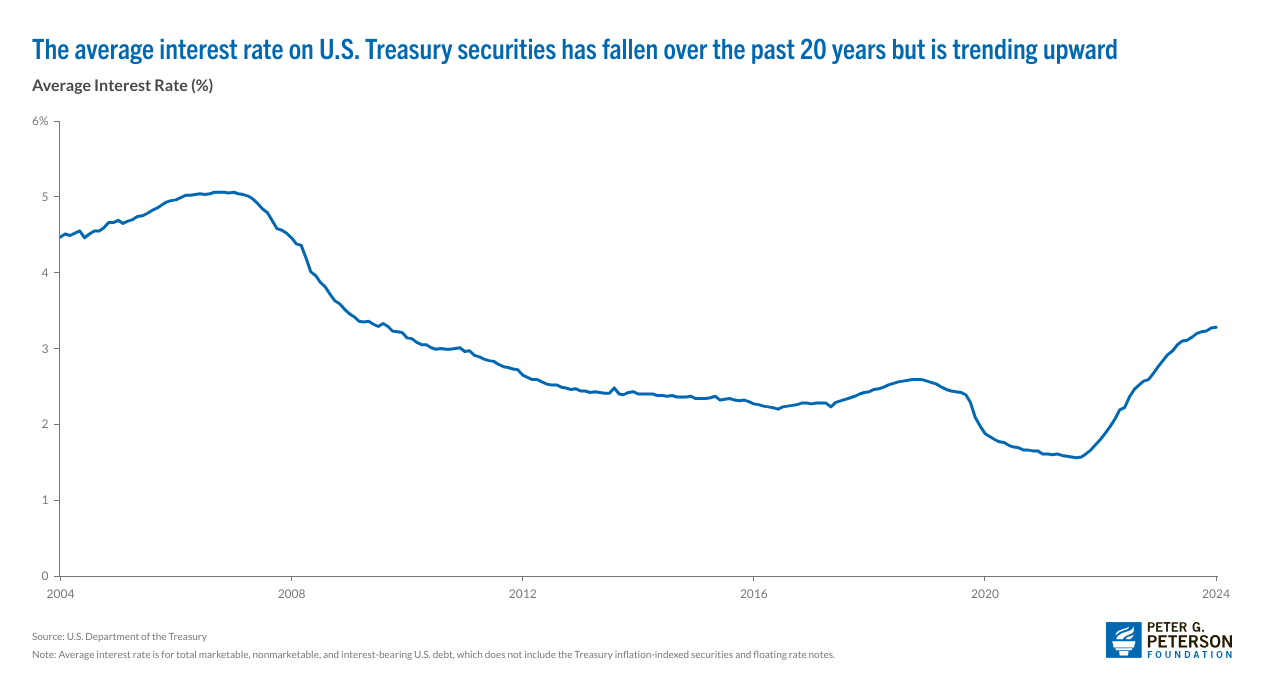
As regards the WSJ and Reuters headlines, yields in the US Treasury market were teetering toward decadal highs, a clear sign that, as Warsh put it, the market was speaking. It was saying interest rates need to be higher, or else it wants more in return to lend money to the government. The FOMC’s decision, 9-3, to hold rates rather than raise them, was clearly interpreted by everyone: the journalists, the bond market, and markets in general, as being outwardly against the notion of taking cues from the markets, something that the Chairman has readily reinforced—multiple times in the press conference no less—he wants to do.
19-year high in the 30 year
The bond market sold off majorly in response to the decision to hold rates. Bond holders sold to others demanding higher rates to buy, driving the 30-year yield to a 19-year high of 5.21% and yields on the 10-year closing at 4.67%—hence the Reuters headline.
Climbing down from the carnage before the close, markets opened Thursday with yields creeping higher again, with the 10-year up 0.043 and the 30-year up 0.067 at publishing time. All 3 major US indices were down, though the NASDAQ opened strongly Thursday morning.
Additionally, Q2 GDP growth and the June PCE were released as well, with the former rising 1.5%, lower than anticipated, and the latter remaining well-above the Fed’s target, at 3.3%.
July’s employment activity, the month which captured the majority of the 2026 FIFA World Cup, is expected to be robust, and then there will be the July PCE released in August when Warsh will deliver the annual speech at Jackson Hole, Wyoming, but that’s it. Inflation is still more than 50% higher than the target, and the core PCE annualized reading of 3.3% is about where it’s been all year.
It should set the FOMC and its new chairman up for a dramatic September meeting, when all signs will point to a rate hike to better tackle price inflation. As one reporter at the press conference pointed out, Fed watchers are now pricing in an over 70% chance of a quarter-point rate hike that month.
Anything less and it’s hard to see how this Fed regime nouveau recovers credibility. There are still the 5 task forces appointed by Warsh to study various policy questions, but as he was quick to iterate to a concerned reporter, they can at best submit concepts, findings, and suggestions, and cannot make any policy changes themselves.
What also bears singling out amid the conference is Warsh’s insistence that the Fed has tools, but not a “magic wand”. Indeed, no one watching the event will have any illusions about the limitations of both; the Fed cannot magically cure inflation, and it has but 2 tools. The Fed has only 2 tools, to raise or lower the interest rate, and to expand or shrink the balance sheet, and Warsh’s insistence that the committee will according to various situations “examine their tools” leads to just as much head-scratching as the sophistry about listening to the market.
The markets have spoken, and the Fed has 2 tools. Reluctance to leverage either has led to what can only be described as a deserved response from the markets: a unanimous response that it’s not a good enough answer. WaL
We Humbly Ask For Your Support—Follow the link here to see all the ways, monetary and non-monetary.
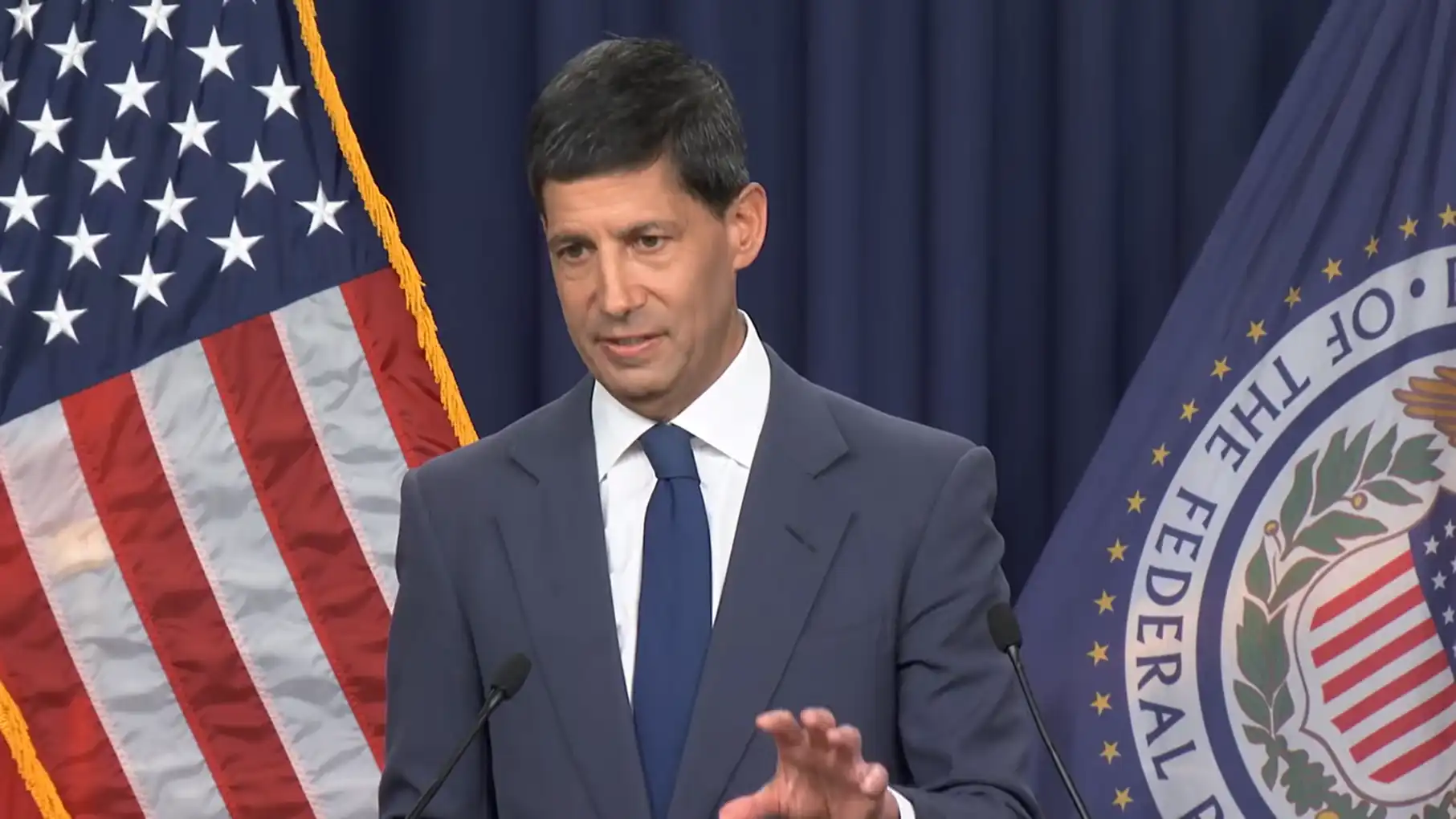
PICTURED ABOVE: Federal Reserve Chair Kevin Warsh at the July 29th press conference. PC: Screengrab via Federal Reserve official YouTube.



[…] the press conference following the Federal Reserve Open Market Committee’s (FOMC) July meeting, a journalist asked the new Chairman Kevin Warsh if he would follow his predecessors of using the […]