 0
0
 0
0

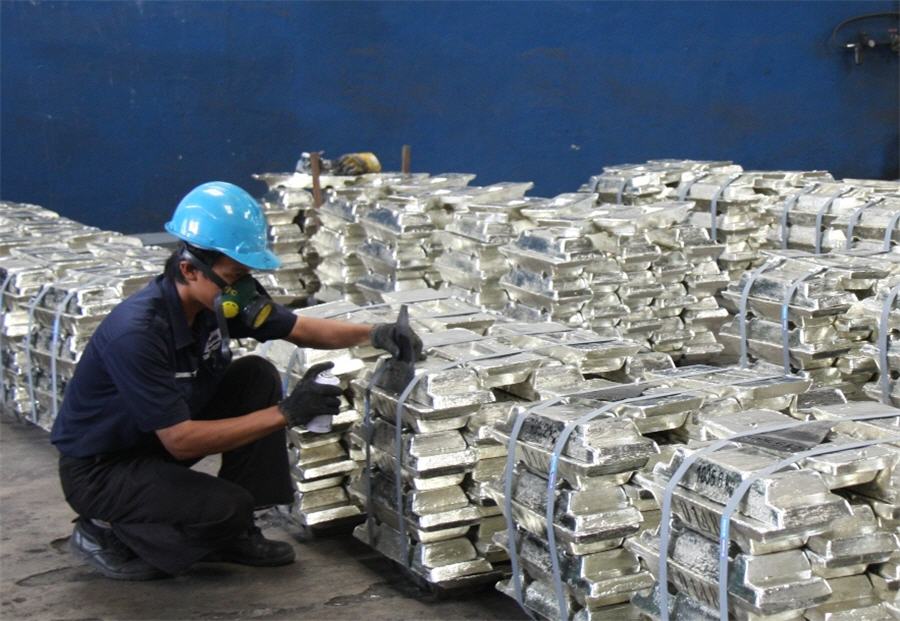
Continuing WaL’s coverage of the global tin market, Q1 performance by the state-owned Indonesian tin producer PT Timah came in at exceptional levels, with operating profit 170% over Q1 2025 at US$316 million, and 82% higher tin concentrate production of 5,630 tonnes.
The company said that production was supported by improved security on its mining areas, reducing the impact of illegal mining, and improved production both onshore and offshore, and from small-scale partnerships.
Q2 production is expected to decline due to a recent government overhaul of the export licensing system that kicked in at the start of April.
The superb performance came off the back of tin prices recovering from the shock of the Iran war to routinely open and close above $50,000 per tonne.
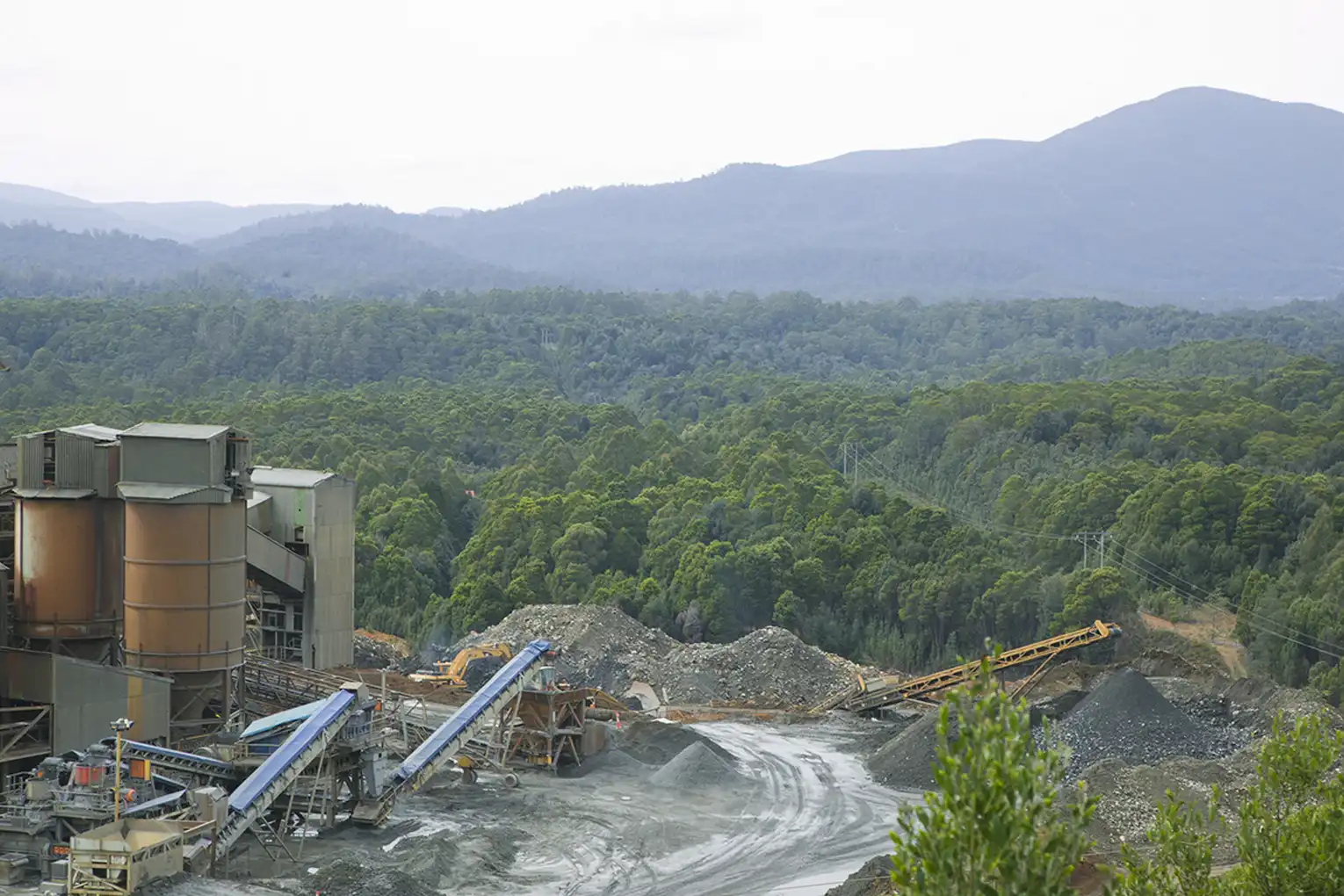
In development news, Cornish Metals, developers of one of the world’s largest and highest-grade tin deposit in England expects to succeed in acquiring the debt-based equity for its South Crofty tin project by issuing $210 million in corporate bonds.
The bonds yield a 13.5% per annum coupon rate, and were issued on May 21st to “strong” investor demand all around the world. A brownfields site where tin mining had taken place in the past, South Crofty could grow to yield as much as 4,700 metric tonnes of tin concentrate per year. Cost benchmarking work by the International Tin Association, of which Cornish Metals, is a member, shows that the operation will be in the lowest quartile for mining costs, with all costs coming it at US$14,461 per tonne tin produced, or approximately 330% below the current market price for tin.
Another developer First Tin, which oversees the Taronga project in New South Wales, Australia, also released positive news on its chances of medium-term development. Following conversion and definition drilling work, First Tin was able to convert some 15% of its inferred resources to the measured and indicated categories—essentially being able to present to investors that those tonnes of tin are present in the rock without a doubt.
Over 71% of the over 90,000 tonnes of contained tin is now classified in the measured and indicated categories, making the project much less risky. In addition, another 40,000 tonnes remain in the inferred category, which is to say, they are believed, but not guaranteed, to exist. In addition to tin, the company defined an inferred resource of 60,000 tonnes copper and 12 million ounces silver.
The company is currently compiling its ‘Definitive Feasibility Study’ that will outline exactly what the investment case, as near as can be defined, for building and running the mine will be. Taronga is one of 3 tin projects that First Tin is developing.
The tin case
At the beginning of the year, tin has seen the sharpest price increase among these non-ferrous metals, rising 70% year-on-year, to $50,000 per tonne. In fact, over a 5-year period, tin has been the best-performing base metal.
“There is no doubt that the demand for data‑based technologies fuels the recent rise in tin prices,” says Simon Lacoume, sectorial economist for the credit risk management group Coface. “We expect average prices to hover around $45,000 per tonne (+40% YoY) over the first half of the year”.
According to data from 2024 from the International Tin Association, tin is used as much as lithium for EVs, twice as much as silver in renewables and technological hardware, and more than twice as much in robotics as any other non-ferrous metal, except copper. In fact, across all these energy-transition and 21st century technologies, tin is needed more overall than lithium, substantially more than cobalt, and more than twice as much as silver and nickel.
“A doubling from current levels (to around $100,000 per tonne) remains possible in extreme scenarios driven by prolonged supply disruptions and speculative fervor, though most consensus views favor more moderate upside supported by structural fundamentals,” wrote Ben McGregor, author of the Weekly Roundup at the Canadian Mining Report.
If South Crofty and Taronga come online according to their 2027-28 construction estimates, then such price heights will almost certainly be avoided, provided conflict zone tin mines, such as Bisie North in the DRC, aren’t interrupted. WaL
We Humbly Ask For Your Support—Follow the link here to see all the ways, monetary and non-monetary.
PICTURED ABOVE: A PT Timah worker stacks ingots of tin concentrate. PC: supplied by the ITA to Mining.com.




PT Timah’s 170% jump in operating profit and 82% increase in concentrate production show how strongly improved security and offshore operations can affect supply. The expected Q2 slowdown from Indonesia’s export-licensing overhaul is a useful reminder that policy changes may matter as much as mine performance in a tight tin market.