 0
0
 0
0

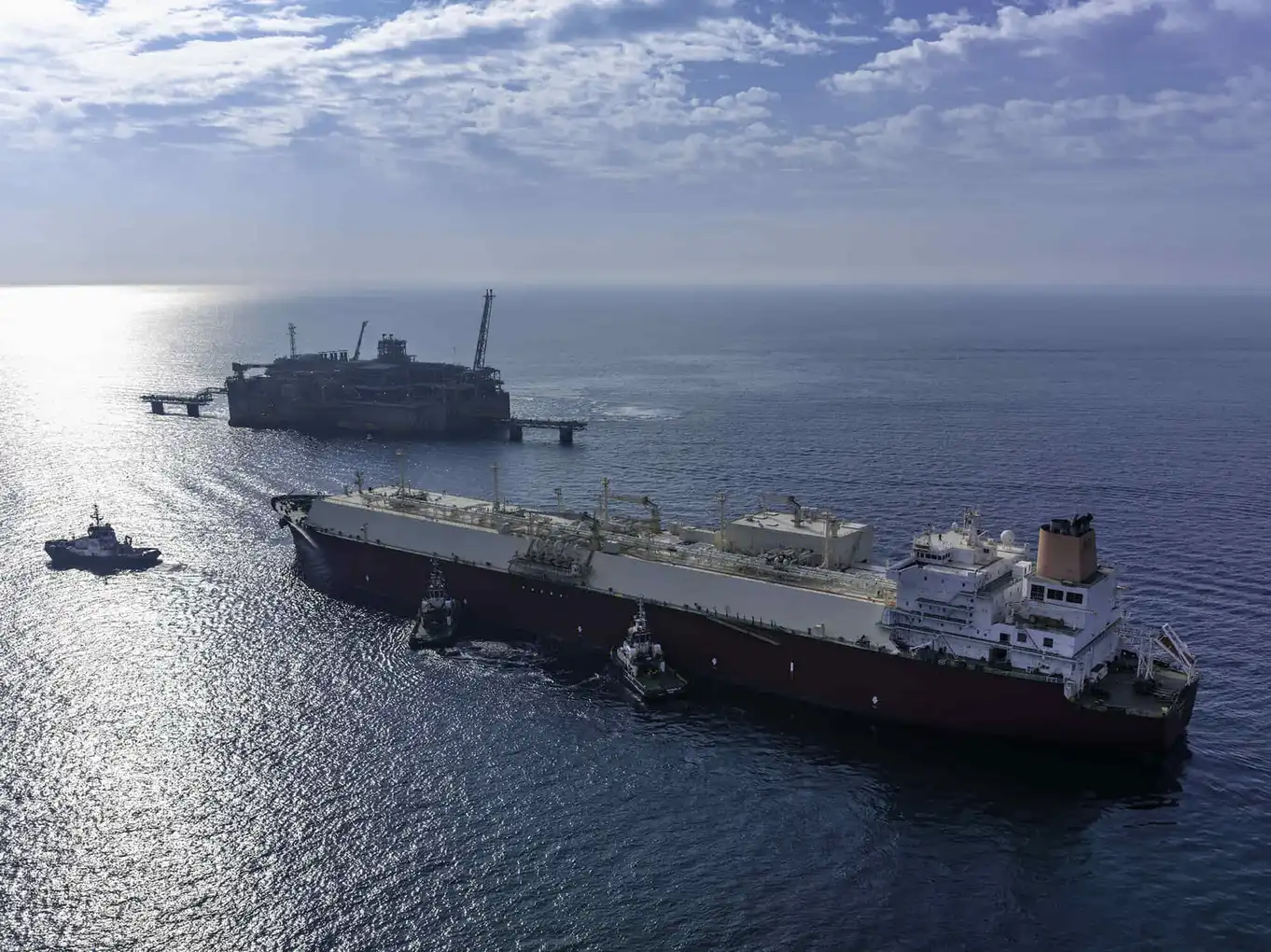
Following the closure of the Strait of Hormuz in the days after President Donald Trump and Israel’s surprise attack on Iran, oil spiked to over $100 a barrel.
Many analysts were, however, surprised that as the war dragged on prices didn’t continue to make new highs. That was because of nations around the world drawing down their strategic petroleum reserves in a bid to save their economies from what was predicted to be the most significant energy shock in 50 years.
New data from the International Monetary Fund (IMF) shows that the production equivalent of 4.1 million barrels per day of oil were drawn from reserve between March and May. Together with reduced demand and a shifting towards other energy sources like coal, oil supplies for that 60-day period finished somewhat at parity even considering the loss in Gulf production.
IMF data shows that reserves now stand at 1.2 billion barrels worldwide, a reduction of about half from the status before the attack on Iran.
Now the Strait is closed again, with oil tankers targeted and traffic slowing to a tiny crawl of late, and IMF communicators are warning global markets that this time, there is considerably less of a leg to stand on when it comes to near-term oil prices.
“That cushion has been spent,” the IMF said. “If the disruption were to persist at current rates, that lower bound would be reached by early 2027. Well before that point, prices would likely move sharply higher, as the market would effectively be operating without a safety net”.
“With buffers now depleted, the system is more exposed if disruptions persist or escalate anew, and rebuilding stocks will keep the market tight even as supply recovers”.
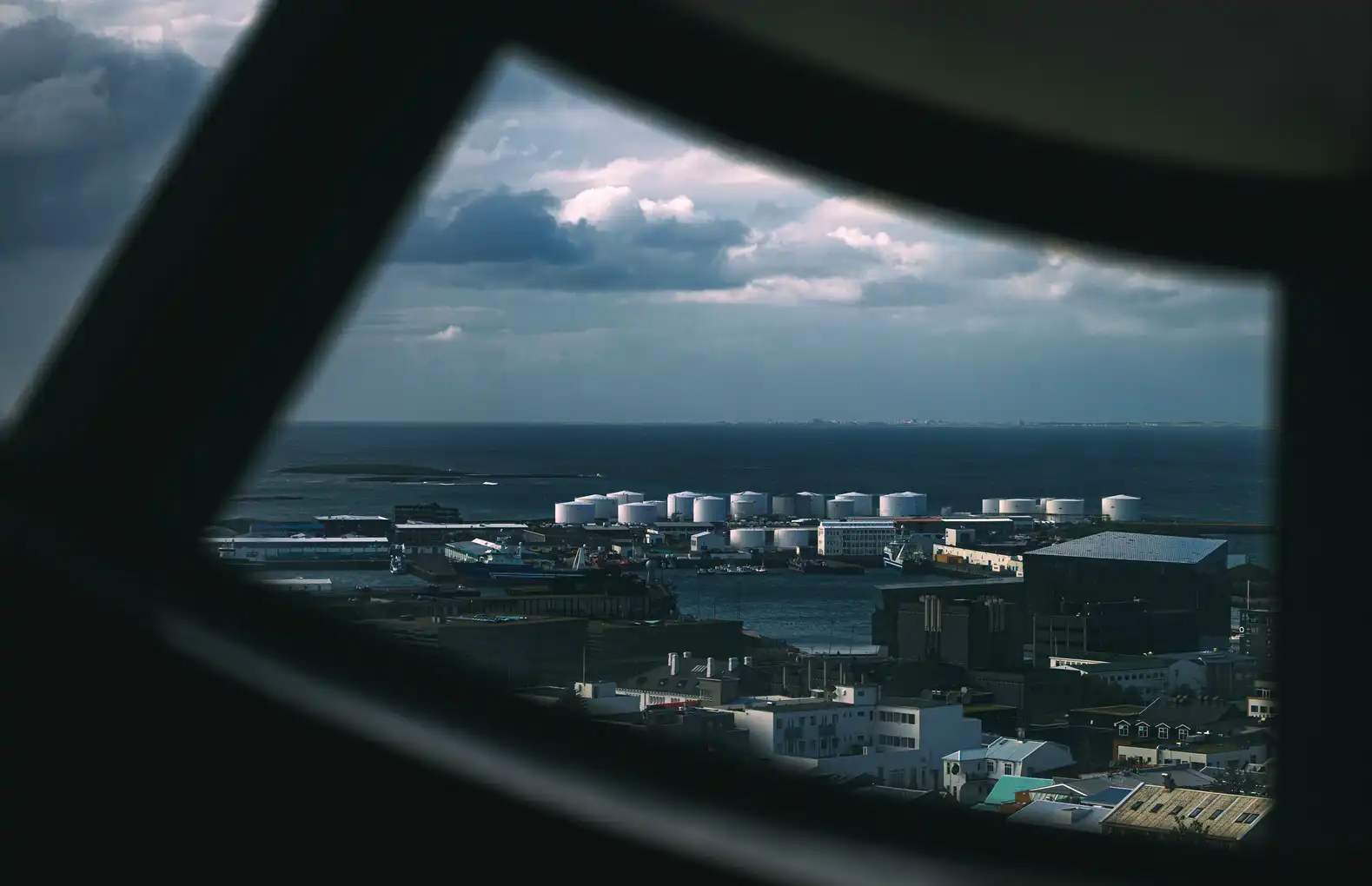
The 1.2 billion barrel number itself is misleading, since for both methods of storing oil strategically—in salt caverns underground and surface level tank farms—there are physical and operational minimums for maintaining the structural integrity of the caverns and pump suction force in the tanks. It varies, but US law prevents the Executive branch from removing more than 256 million barrels from its 714 million barrel strategic reserve. With the tanks, estimates put it between 70 and 100 million barrels as a minimum to maintain suction.
In the Strait of Hormuz, US Central Command has said that transit is permissible, and President Trump even said that the US Navy may provide escorts or limited protection to shipping, a claim he also made and backtracked on during March. The number of vessels crossing the Strait rose slightly on Tuesday “with 21 monitored transits recorded, dominated by commercial traffic carrying crude, LPG, methanol and iron ore”, according to shipping data monitor Kpler.
Of the two exit routes, one designated by Iran and another by Oman, ships willing to try and make the passage have ironically opted to use the Iranian route rather than the US-guarded Omani route. As many as 7 ships attempting passage by Oman have been struck by the Iranian military as part of their strategy to demonstrate that they control and decide who gets to leave the Persian Gulf.
“The absence of Omani route transits highlights a growing loss of confidence in that corridor, while shipping continues to favour Iranian-approved routing,” the company added, according to Al Jazeera. The strait “remains passable but the operating environment is becoming increasingly complex and unstable”.
What to price in
“Investors have become appreciably more uncertain about their expectations for the most likely outcome for oil prices,” Kieran Tompkins, a senior commodities economist for Capital Economics, told ABC News AU.
“Given that the level of global oil inventories is now much closer to a ‘tipping point’ compared to a few months ago, there is less room to absorb a sustained loss of oil flows without prices rising sharply”.
Not everyone is ready to put their chips on high oil prices and continued war. A reticence to believe the President’s blockade of the Strait will last long if oil prices start to climb has been built up over the second quarter with good reason; much of the President’s claims and statements have proven to be false or unreliable.
“This is just all part of the war games,” Saxo Bank head of commodity strategy Ole Hansen told Reuters. “And the market has learned to adopt a little bit of a sanguine approach to some of these big announcements, simply in the sense that they often do not actually materialize”.
Alfredo Montufar-Helu, China-based managing director at Ankura Consulting, told SCMP that even if, as Hansen says, the current blockade is bluster, and a statement that the Memorandum of Understanding with Iran is terminated proves the same, the impact the return to violence will have on the oil market—and markets in general—will be longer lasting than after the first ceasefire.
“Even once the current round of hostilities ends, the recovery in traffic will be slower and shallower than it would have been the first time around—and that has knock-on effects for energy markets, inflation and risk premiums that will outlast the ceasefire itself”.
Goldman Sachs estimated in a note last week that oil could top $110 per barrel by the end of the year if Gulf recovery continues to be hindered.
Last week, Gulf production was around 11 million barrels per day—some 50% below capacity from before the war. This will almost certainly fall further if, as WaL reported yesterday, the governing faction in neighboring Yemen work in tandem with its allies in Iran to close the Red Sea via the Bab el-Mandeb strait.
Substantial Saudi oil flows have been redirected from the Persian Gulf to the Red Sea—about 4 million barrels per day. WaL
We Humbly Ask For Your Support—Follow the link here to see all the ways, monetary and non-monetary.