 0
0
 0
0

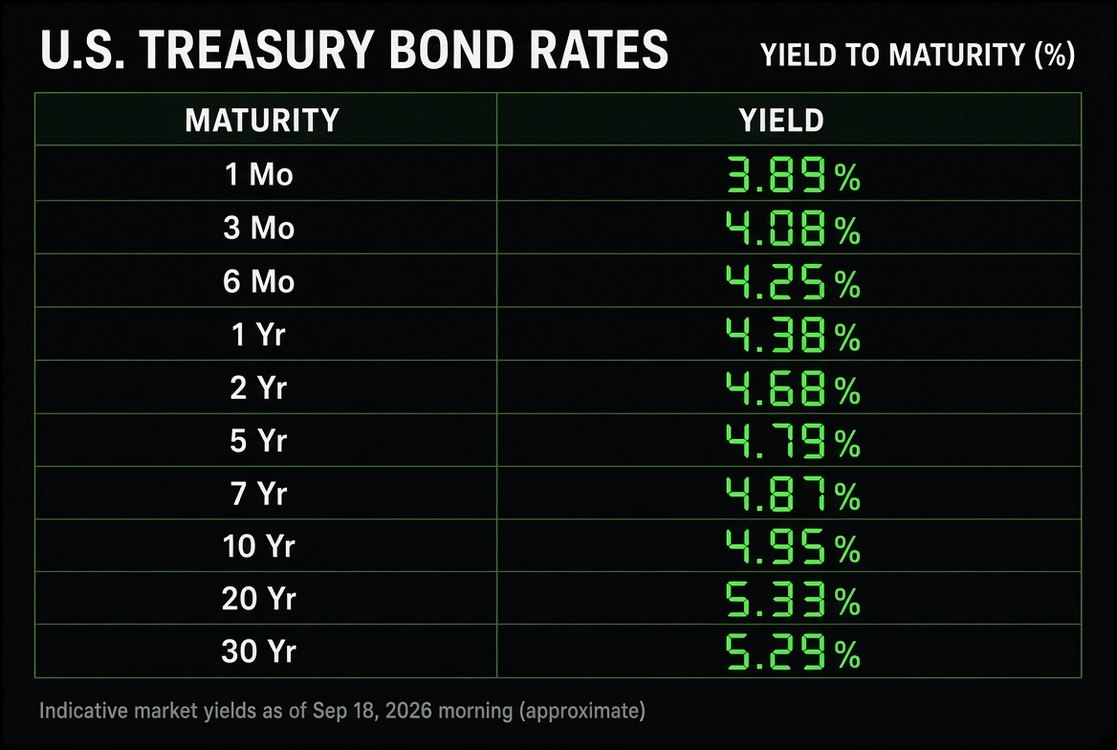
Long-dated US Treasuries closed the week with yields higher than before Secretary Scott Bessent attempted to drive them down by announcing a doubling of the long-dated bond buyback program, with the 10-year closing down at 4.76% having previous gone as high as 4.81%, and the 30-year at 5.24%, the highest in almost 20 years.
The 2-year note closed at 4.38%, the highest since January 2025, reflecting the slightly greater than 50-50 chance that the Fed will hike its benchmark interest rate at the September FOMC meeting.
Short-dated Treasury bills of a year or less trade on interest rate policy expectations, as does the middle-dated note of 2 years, which pays a coupon yield. They are also a key reference for auto loans, short-term CDs, adjustable-rate mortgages. Together, these instruments make up an almost three-quarters majority of all government borrowing.
Though the government has for over 2 decades relied heavily on short and medium-term debt instruments to fund itself, as the national debt burden has increased, the Treasury has shifted further and further down the yield curve. According to data from the US Treasury repackaged by the Peter G. Peterson Foundation, in 2015 the share of the national debt backed by notes—that is, the 2, 5, and 10-year maturities—was 66%.
Between 2015 and 2025, however, a period which saw the national debt increase by almost $20 trillion, the percentage of bills—that is, the shortest term securities—rose from just 13% of the debt to 22%. This is advantageous for the government, since they have the lowest yields and don’t include a coupon, but the challenge is that the borrowing costs they cover need to be refinanced every year. Apart from driving up volatility, it puts tremendous pressure on the Fed to keep interest rates low.
This is one of several new realities in the US bond market that are shaping market expectations for credit, economic growth, and safe haven allocations.
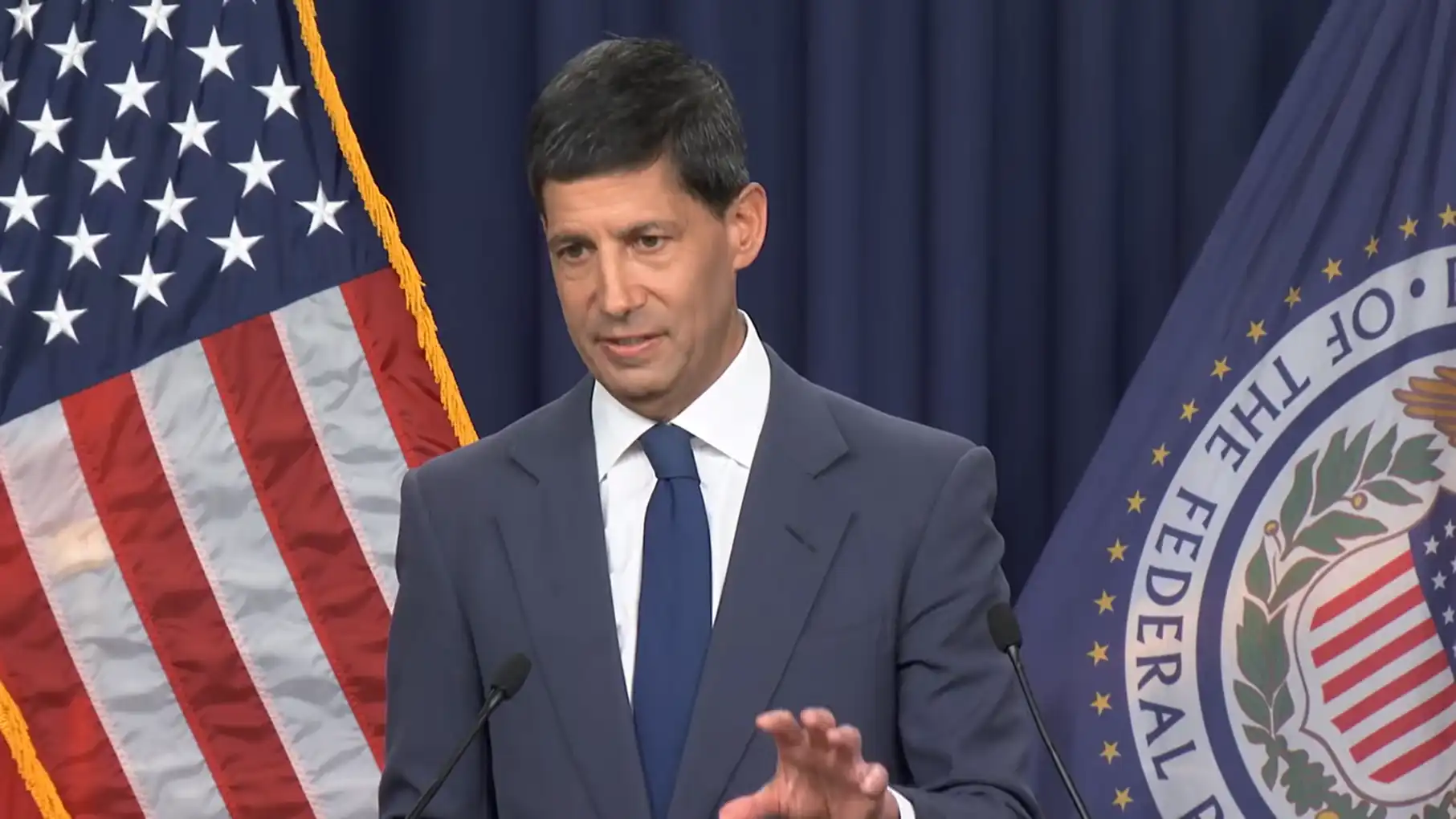
At his recent speech at the Federal Reserve Economic Symposium at Jackson Hole, Wyoming, newly-appointed Federal Reserve Chairman Kevin Warsh affirmed his commitment to bringing down price inflation to the desired annualized target of 2% per year, which is typically achieved by the Fed lowering the national rate of interest at which banks lend money to each other. Warsh has talked a tough stance on inflation, but hasn’t himself voted within the Fed’s Open Market Committee to raise interest rates.
“There’s a saying in China, or maybe it’s Japan, that someone is ‘all thunder and no rain. All thunder—all talk,” said Managing Director and Chief Market Strategist at Bannockburn Global, Marc Chandler. “He talks a tough game—he’s a great speaker. He says inflation is too high; it’s intolerable; we have a dual mandate to protect. And what did he do in July? He did not vote in favor of a rate hike… He’s come back with the same message at Jackson Hole”.
In 2021-2022, price inflation reached almost 10% on an annualized basis, leading then-Fed Chair Jerome Powell to raise the national interest rates to 4.75%, the highest they’d been in two generations. Price inflation came down to between 3 and 4% but remained resilient. The whole economy, Chandler laid out, is waiting to see whether or not Warsh will raise rates to shave that last 200 basis points off the price inflation level, knowing that it would be in direct conflict with the political forces which put Warsh in the position to fight inflation in the first place.
This has not been lost on bond market participants, who have bid the prices of bonds down and driven yields up all year, anticipating higher real inflation, and demanding greater returns as a result.

Who’s still buying and why?
This paradigm of sticky price inflation, the unwillingness to raise interest rates, and the worsening US fiscal position in which interest on the national debt is now the second-largest budgetary expense, has shifted the ownership of bonds, notes, and bills, away from more traditional holders to more price-sensitive ones.
“Who’s the buyer of US Treasuries? It used to be central banks, but they’re not doing so much anymore. And when central banks buy Treasuries, these are not price sensitive parties,” Chandler, told WaL. “But now, it goes to the private sector and hedge funds—these people are more price-sensitive”.
Foreign central bank ownership of US Treasuries has declined significantly over the years, dropping from a peak of 46% of the market in October 2008 to approximately 13% in October 2025. This is not to say that foreigners have lost all taste for US paper. Private foreign investors have stepped in to fill the void, and with $7 trillion of US debt holdings, have outbought public investors by around 40%.
Price sensitivity is much more likely to bring about volatility in the market, and the US bond market this year has been exceptionally volatile. A foreign central bank is far less likely to be influenced by the price swings in the bond market, while private holders can make buying or selling decisions along any number of rationales, such as buying when prices are low and yields are high to selling in the reverse scenario, or selling Treasuries, a safe haven asset, in favor of another one like gold.
“Between the shortening of the maturity and the shifting patterns of ownership to more price-sensitive parties, you have the makings of much greater volatility,” Chandler summarized.
An example of the potential for volatility came recently from the world’s largest pension fund manager, Norges Bank Investment Management. In a September 1st letter, the fund proposed cutting government bonds from 70% to 50% of the $2.3 trillion fund’s fixed-income benchmark, trimming roughly $80 billion from US Treasuries alone.
That money wouldn’t necessarily be leaving the US, but be part of a shift from the Treasury Department’s barren coffers to a new slice of the credit market, including mortgage-backed securities, investment-grade corporate debt, and asset-backed securities—all of which would take the fund’s share of non-government bonds from 30% to 50% of its fixed income division.
“NBIM’s own justification is that heavy government debt has stopped being ‘a distinctive feature of individual countries’ and has become ‘a more general characteristic of developed economies'” writes a report in Modern Diplomacy, “so a fund with an unlimited time horizon should be paid a premium for holding it, rather than parking money in Treasuries by reflex”.
Such a premium may well be beyond what Secretary Bessent would consider tolerable. WaL
We Humbly Ask For Your Support—Follow the link here to see all the ways, monetary and non-monetary.
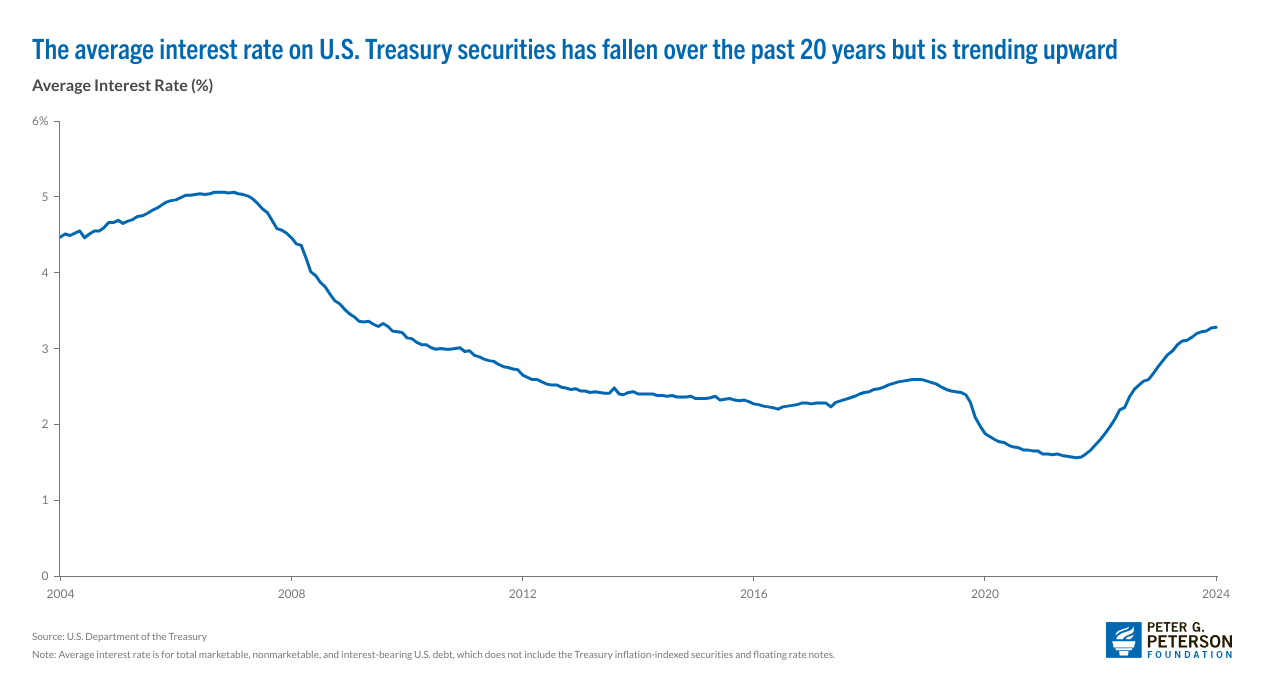
PICTURED ABOVE: The average interest rate on US Treasury securities across all maturities. PC: US Treasury Department.



[…] $40 trillion in national debt, that more spending proposals are being touted, such as expanded buybacks of long-dated bonds, the bailout of the Japanese yen, and President Trump’s idea of sending […]
The rise in Treasury bills from 13% to 22% of debt stood out: shorter maturities mean borrowing costs reset more frequently, adding rollover risk. Combined with a shift toward more price-sensitive buyers, that makes the volatility argument worth watching. One correction, though: the Fed typically raises rates to curb inflation, rather than lowering them as the excerpt states.