 0
0
 0
0

Given that data from the US Treasury Dept. on debt is released one day late, Wednesday saw a multitude of signs that point to a country falling into a debt trap it has no interest in escaping from: a national debt topping $40 trillion, the gold price surging, and the announcement from Treasury that it will borrow money to buy back long-term debt yielding the highest interest.
There is a Faustian delight in the 3 events coinciding together. A Congress unwilling to stop spending, and a ‘Treasury’ Department with nothing in its treasury, borrowing new money to buy titles to money it had already borrowed and spent.
The surprise announcement from Treasury stated that it would “at least double” its existing buy-back program for bonds at 10, 20, and 30 year maturities from $2 billion a month to “at least” $4 billion. When Treasury issues a bond, it receives money which it then uses to pay for government programs, and with the national debt ballooning from $20 trillion to $40 trillion in just 10 years, there is virtually no hope any money from the original bond auction proceeds exists anymore. It will be then up to the Treasury to issue new notes (short-term securities) to pay for its buyback program.
Imagine issuing bonds totaling $100, and then wanting to buy $20 worth of those bonds back. No money exists, however, for the repurchase, so the debtor then issues bonds totaling $20 to affect the buyback. $120 to buy $100, not counting accrued interest expenses.
The announcement forced down long-term yields, which in its announcement Treasury chalked up to a “liquidity shortage,” and the prices of the same rose, but the math of this wasn’t lost on the precious metals markets. Gold closed up 3% or $120 per ounce, and silver even higher, reaching $67 per ounce. Gold mining companies outperformed the metal, with the GDX, an ETF that tracks the largest mining companies, up 9.42% on the day.
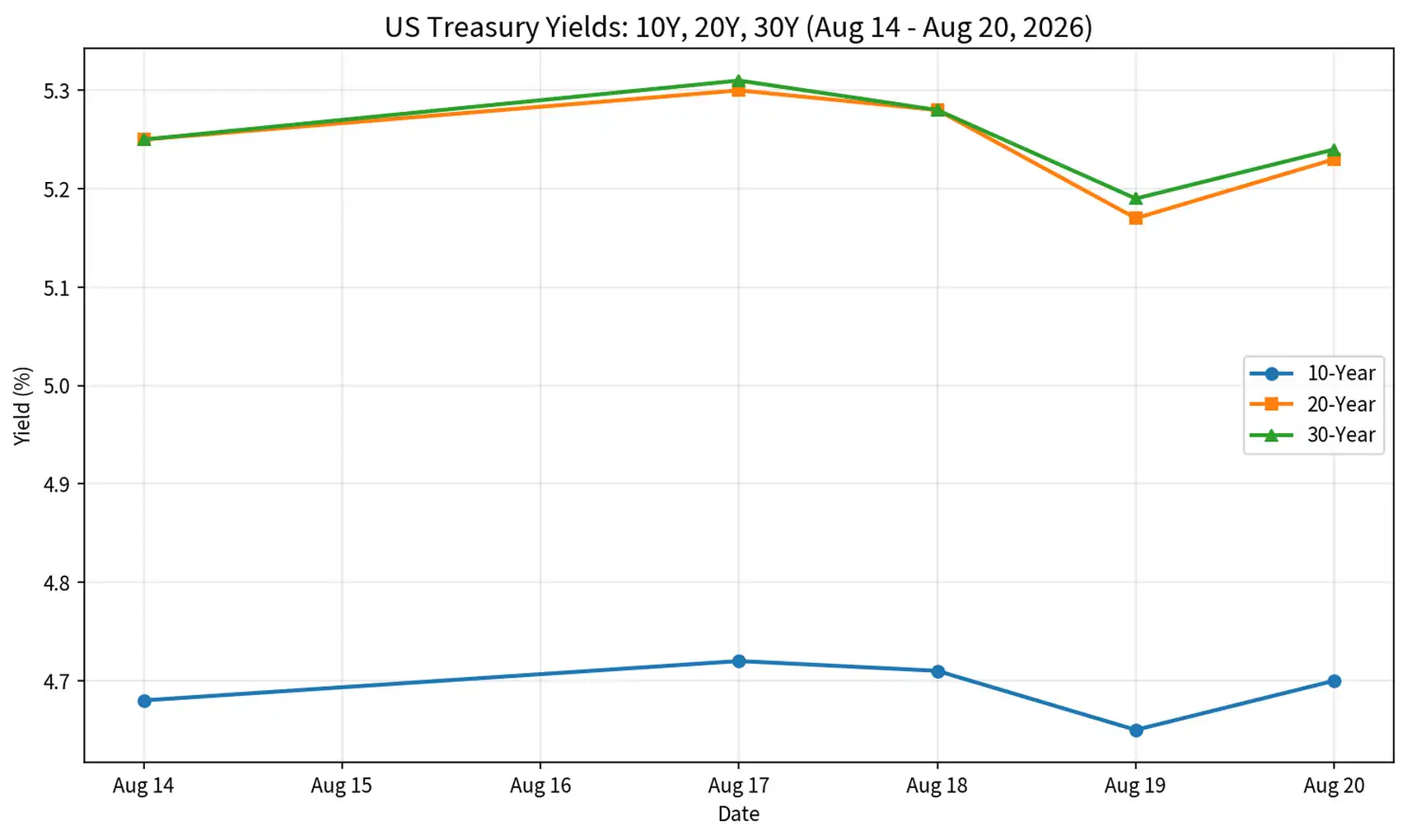
What the Treasury Dept. is doing amounts to an element of economic central planning called yield curve control. It amounts to printing money to artificially push down bond yields and reduce the cost of financing government. An auction for 30-year Treasuries earlier this month saw the highest yield since 2001, while the 10-year bond also reached multi-decade highs of 4.74% on Tuesday.
These yields reflect expectations for continued monetary and price inflation in the long-term, anchored in the gargantuan national debt which is actually growing faster than ever, with a single 5-month period this year witnessing the accumulation of $1 trillion in debt, and interest rates on existing debt growing 13% year-over-year.
Like the intervention in the Japanese yen (more below) the effects of the recent announcement wore off rapidly, with the US 10-year Treasury up 1.12% in pre-trading hours to a yield again above 4.7%.
“The operation changes almost nothing in terms of the fundamentals, in particular the unchanged need to finance the tidal wave of hyperscaler debt in addition to very large government deficits,” Krishna Guha, vice chairman at Evercore ISI, wrote in a recent note.
Looking for a way out
Media coverage of the national debt gaining a 4 handle commonly portrays it as a “milestone,” which is true, but presents as a largely meaningless once as there has been every indication it was coming, and no indication it will be avoided.
Recent measures by Treasury show that it’s clearly looking for a way out—a way to calm bond investors and drive down yields to allow the government to borrow more. This is what happened on July 31st in the Japanese yen.
Japan is also an extremely indebted nation, with a debt-to-GDP ratio far in excess of 200%. Earlier in June, the yen fell to a 40-year low against the dollar, the result of unprecedented easy money policy and zero-percent interest rates by the Bank of Japan extending back over a decade. The BoJ seemed to promise an intervention when the yen crossed a key “red line” of 160 to the dollar. The markets called the BoJ’s bluff, and bid the price down further, to the point where it was spending whole weeks above that line, going so far as to touch 164 to the dollar.
Japan was preparing to offload $60 billion of US Treasuries, and take the dollars to buy yen and strengthen the exchange rate to restore confidence in both the Japanese Government Bond (JGB) market which has also been struggling this year with multi-decade highs in yields, and the currency markets. That’s when a Reuters photographer took a picture of a notepad in front of Treasury Secretary Scott Bessent’s chair at a cabinet meeting at Camp David, Maryland, which read “To Do: Buy Japanese Yen $5-10 bil”.
Prices and yields move in opposite directions, so if long-dated US Treasuries are dumped on the market yields will rise while sale prices fall, and bank balance sheets filled with the same bonds will start to look very weak.
In order to execute the bailout, Bessent used something called FIMA, which is a credit swap facility creating during COVID-19 to allow countries to access dollar liquidity without selling their Treasuries. Japan may have used as much as $59.7 billion through the credit swap to buy yen, using their Treasuries as collateral.
Though this dropped the exchange rate back below the “red line” the yen immediately began creeping back towards it until this most recent intervention caused it to back off. Both, however, seem glaringly temporary. Gold, both times, has been the winner, launching upwards in moves so big as to be matched only 7 times in the last 40 years.
Covering the news, CNN and some experts it spoke with suggested the move aims to restore confidence in the Treasury market, but all the confidence in the world can’t resist maths, and the ones underpinning the unworkable fiscal situation the US has spent itself into are beginning to win—over and over again. History demonstrates that it leaves only one way out.
The US Federal Government has defaulted before—when it suspended its commitment to exchange dollars for gold at $35 per ounce (a milestone which itself occurred 55 years ago last week)—and it will find a way to do so again. WaL
We Humbly Ask For Your Support—Follow the link here to see all the ways, monetary and non-monetary.
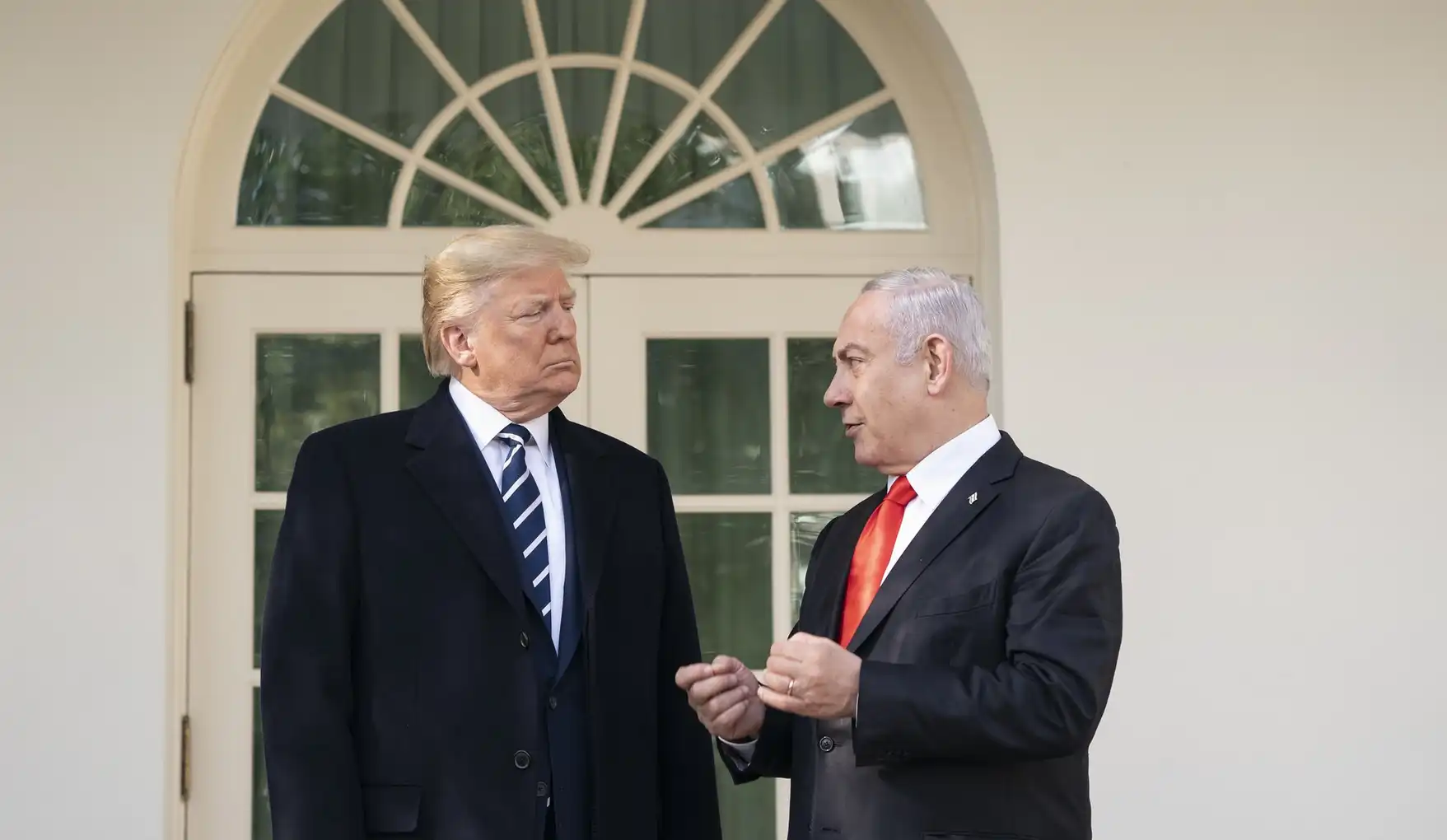
PICTURED ABOVE: Treasury Secretary Scott Bessent with former Japanese prime minister Shigeru Ishiba on July 18th, 2025. PC: Government of Japan, licensed for use according to Public Data License 1.0.