 0
0
 0
0

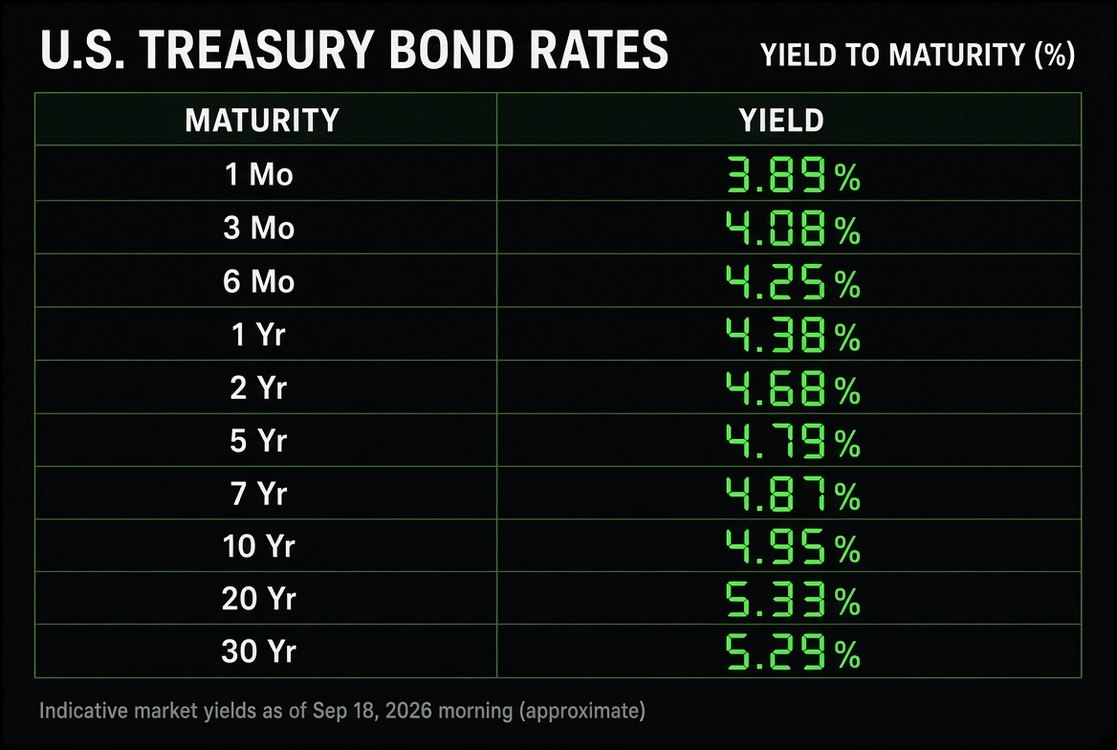
At the recent meeting of the Federal Open Market Committee (FOMC), the Federal Reserve cut its benchmark rate by 25 basis points to a target range of 3.5%-3.75% and signaled that it will resume supporting the Treasury complex via direct purchases of shorter-term securities—in other words, quantitative easing.
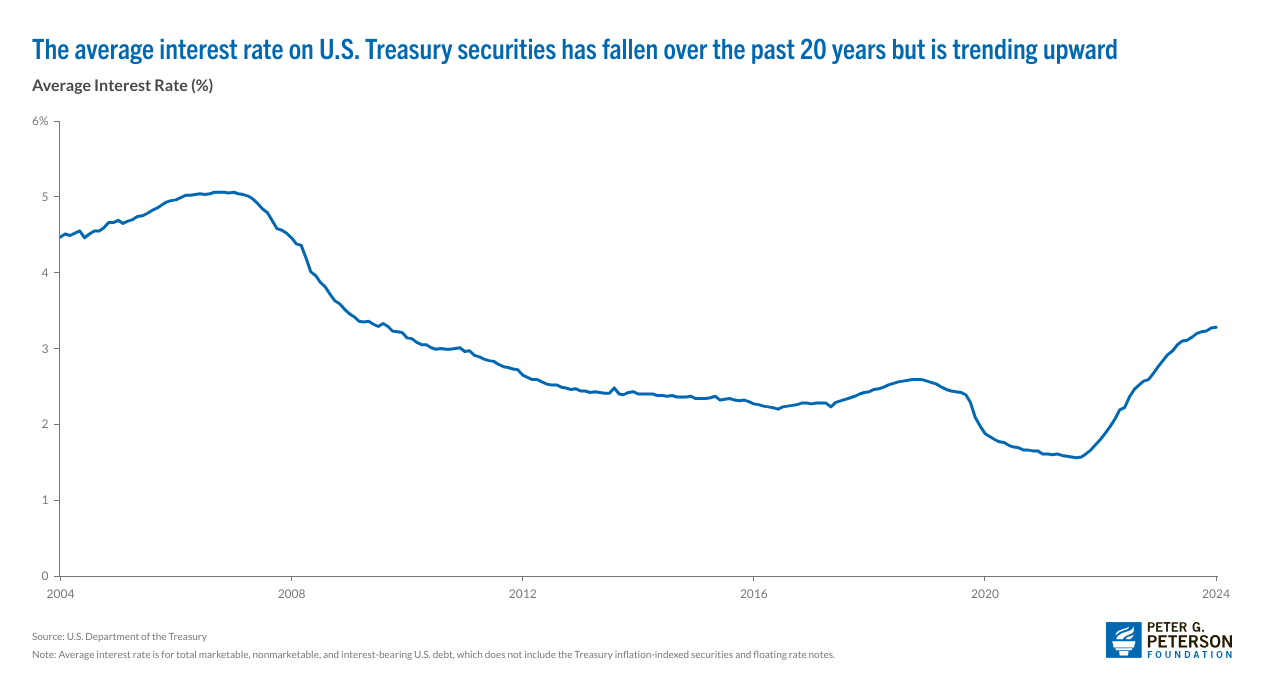
The policy of new money creation and liability absorption that has characterized so much of 21st century America, and which at times under Fed Chair Jerome Powell has seemed a thing of the past, has returned, with a target for $40 billion of asset purchases during the first month. During Powell’s tenure, the Fed’s balance sheet was able to drop to some $2.4 trillion—the lowest it had been in over a decade.
The decision was, according to Interactive Brokers’ senior economist Jose Torres, “music to the ears of stock bulls,” as the decision “bolsters liquidity conditions and adds fuel to the fire of some of the most speculative areas in equities”.
Shortly after markets opened on the final trading day of the week, gold seemed poised to summit its all-time record high of $4,345 per troy ounce and close in on $4,400, while silver, which is now being predicted to lead gold into the next leg of the current precious metals bull market, was also up another 50 cents.
Equities too seemed ready to break out, with the S&P 500 ready to put on a 7 handle, and the smaller-cap Russel 2,000 also posting new all-time record highs two days straight. Virtually every sector apart from the depressed energy markets rejoiced in the cheap credit perceived to come.
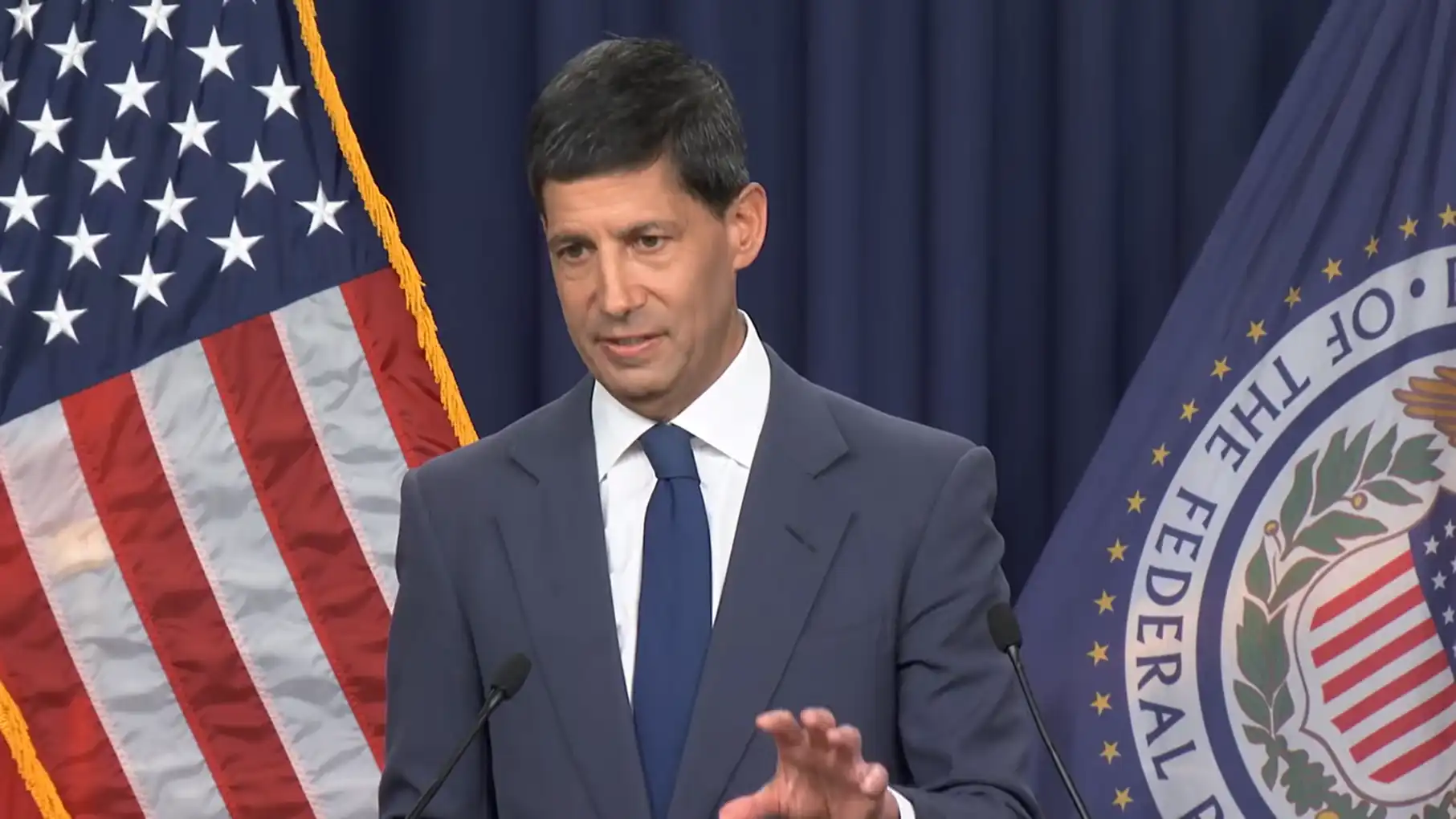
As to why the fed restarted QE, Powell stated it was due to concerns about reserves and liquidity. Torres explained that usage of the Fed’s repo facility has begun to trend much higher in recent months, an indication that banks have too much government debt on their books but not enough cash.
Publisher, financial commentator, and entrepreneur Wolf Richter disagrees with the Street that the “Reserve Management Purchases,” as Powell called them, amount to full on QE. First, the purchases are supposed to mostly cover short term Treasury bills and not bonds—of 1 year or less in duration, climbing to 3 if necessary. Second, after the first two months, RMPs “will likely be significantly reduced in line with expected seasonal patterns in Federal Reserve liabilities,” the FOMC wrote.
Richter additionally argues that when QE 1 and QE 2 were announced starting in 2009 and beyond, they were done with distinctly more fanfare. His prediction is that the RMPs are a plan to keep the Fed balance sheet as a percentage of GDP flat overtime, as was done during asset purchase programs predating QE between 2003 and 2009, when the repo market provided the main source of balance sheet line items, and the ratio remained over those 6 years at around 6% of GDP.
“This is all about dealing with the demand for the Fed’s liabilities,” Richter writes.
Evidently Wall Street wasn’t interested in waiting around to see, if indeed as the statement detailed, purchases would diminish two months from now, and that they would only include short-term T-bills. WaL
We Humbly Ask For Your Support—Follow the link here to see all the ways, monetary and non-monetary.
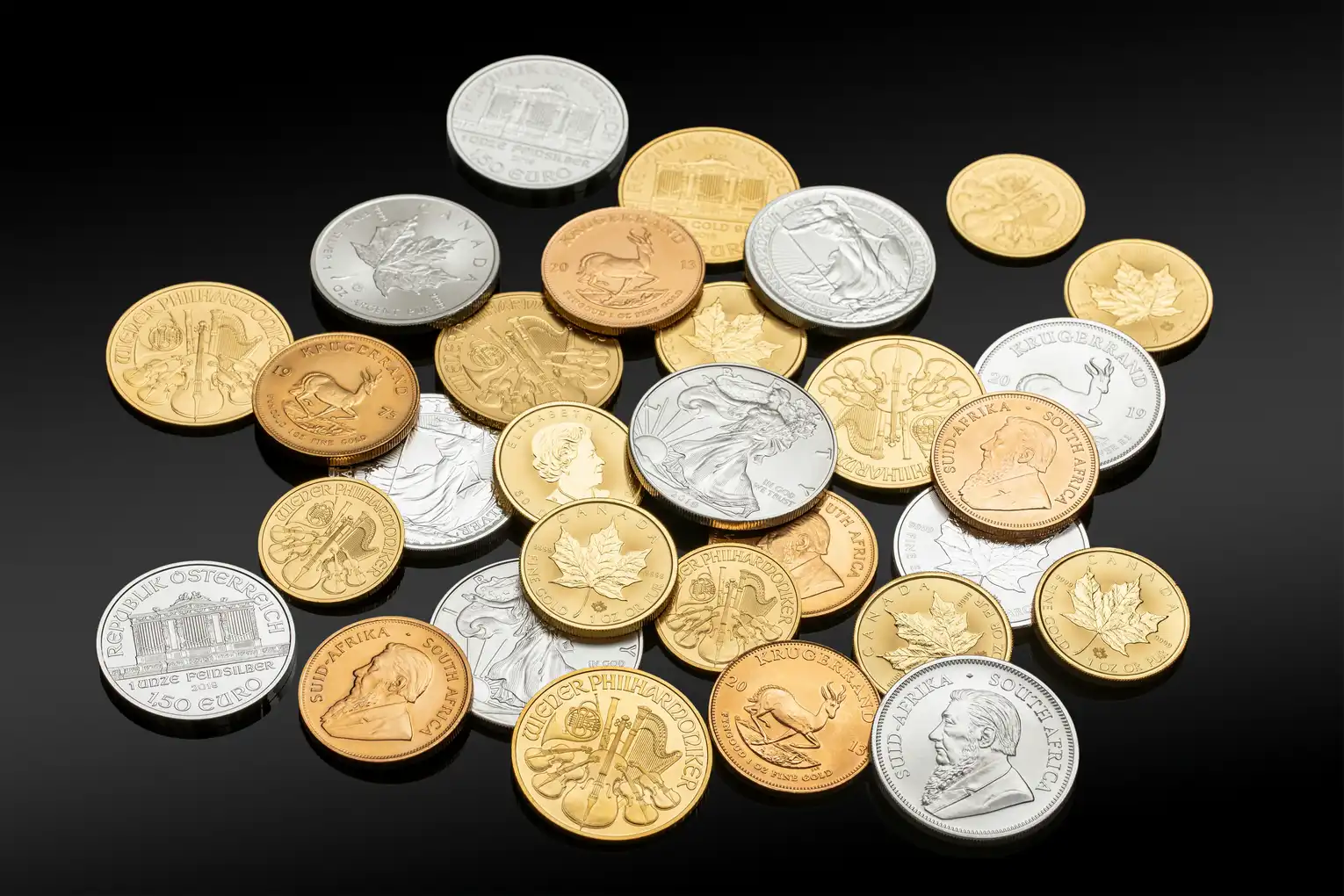
PICTURED ABOVE: Silver and gold coins from respected national mints. PC: Zlaťáky.cz