 0
0
 0
0

End of the Empire is a once-monthly feature on all news relating to the transition from the unipolar world of the US Empire to a multipolar world.
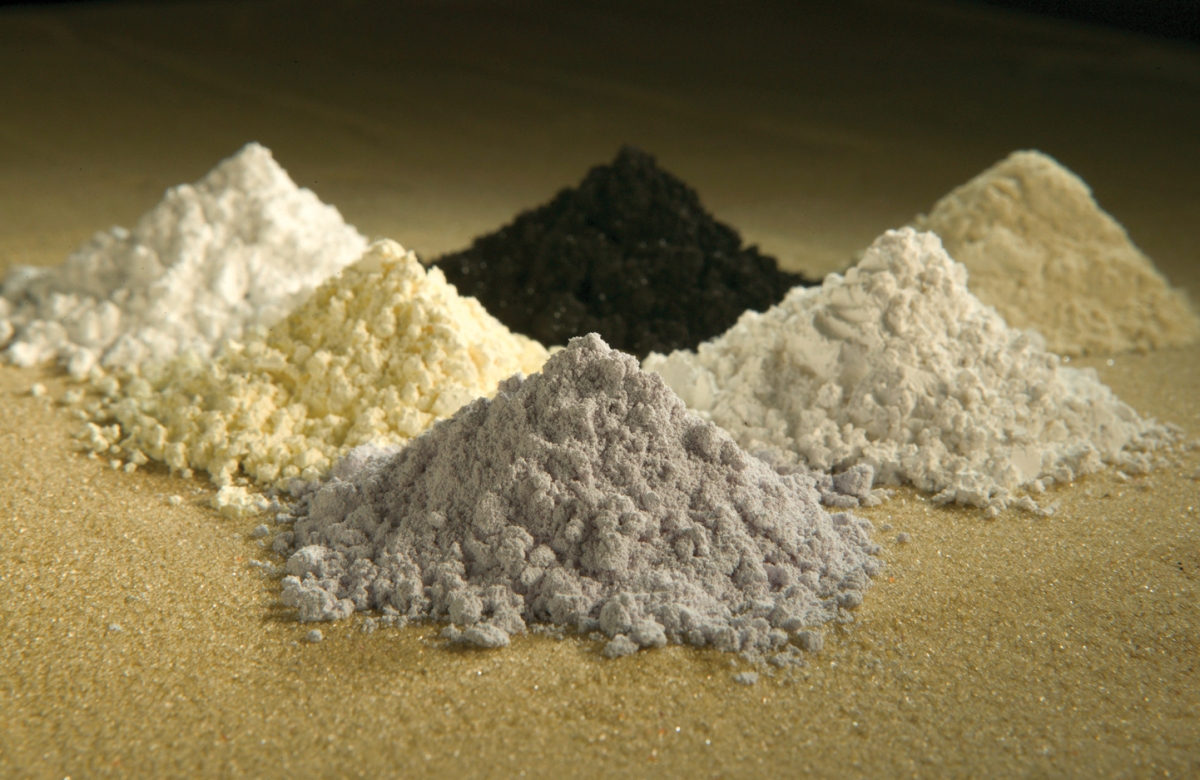
On February 2nd, the Trump Administration raised eyebrows and stock valuations around the West following its announcement of Project Vault, a $12 billion funding effort to stockpile rare earth elements and critical minerals.
Described as a supply chain security initiative, the stockpile is meant to address longstanding US economic and national‑security objectives by “reducing dependence on foreign‑controlled supply chains, strengthening the domestic industrial base, and ensuring uninterrupted access to materials essential for advanced manufacturing and critical technologies”.
Funded mostly through a $10 billion loan from the US Export-Import Bank, an executive-branch finance agency meant to assist Americans in exporting projects and products worldwide, Project Vault follows on a series of steps by the President to advance American mining and refining out of a decades-long slump that started by directing the Commerce and Energy departments to take shares in several mining and refining companies, then by attempting to secure mineral rights in Greenland through any means necessary.
The “foreign-controlled supply chains” mentioned by the EXIMB refers to only one entity, and that’s of course China, a country which made a 20-year bet on minerals, refining, and rare-earth development and exploration that seems at least for now to have paid off, as the country’s firms maintain incredible dominance in the field.
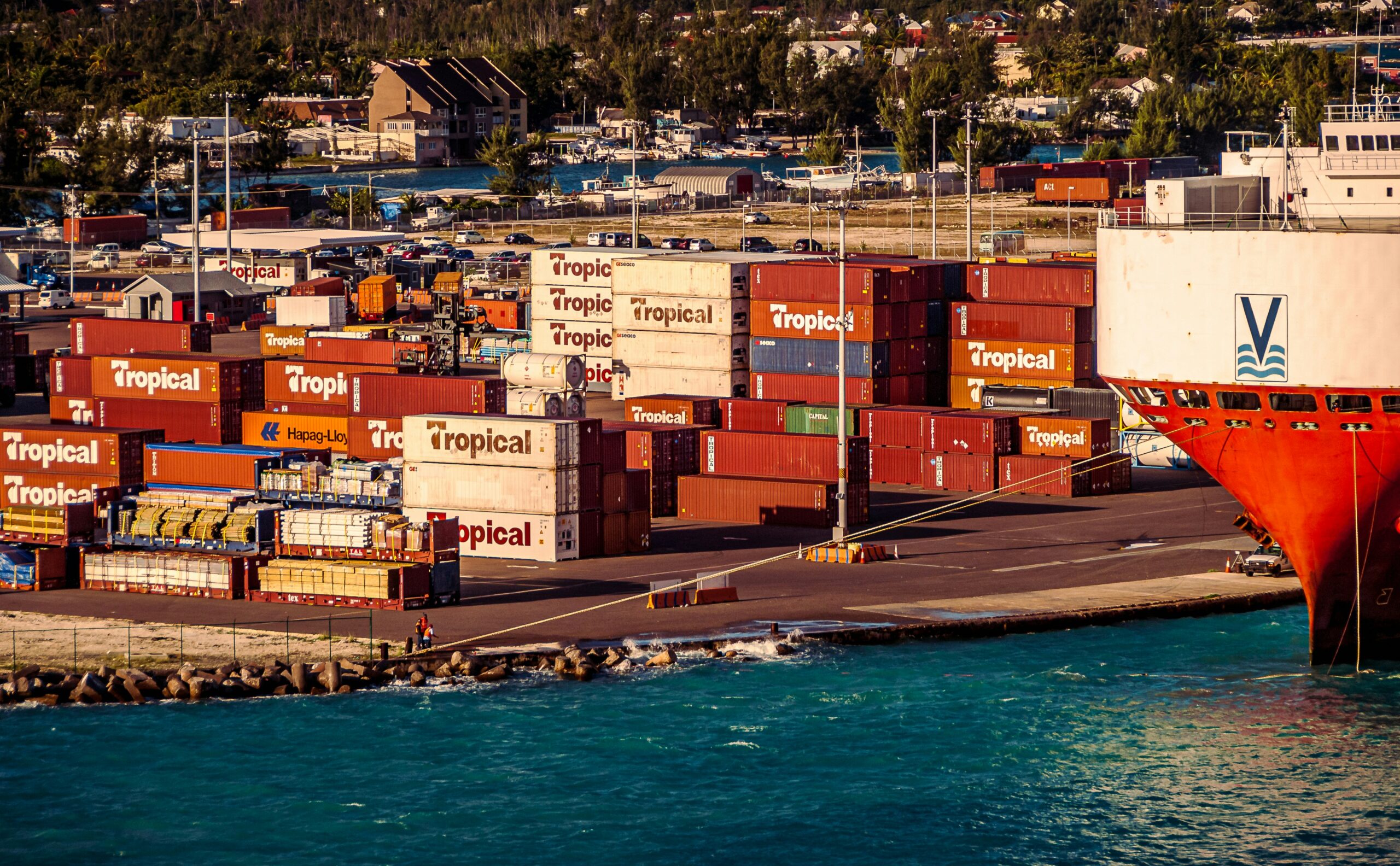
In 2024, China’s share of global production for gallium, vanadium, and antimony exceeded that of all other countries combined. A year later it produced 80% of tungsten and germanium, and for refining ranks in the 60th percentile and higher for all of those plus titanium, magnesium, cobalt, and all 17 rare earth elements.
Between 2005 and 2024, China’s foreign direct investment in mining and refining totaled $230 billion according to the American Enterprise Institute. This rises to $403.7 billion when infrastructure projects are included, many of which will no doubt be coupled with mining operations. Separately, according to a first-of-its-kind dataset that AidData assembled to systematically track Chinese official sector financial commitments for extracting and processing these minerals in 165 low and middle-income countries, Beijing has extended $56.9 billion of aid and credit for “transition mineral” operations in the Developing World over a 22-year period of 2000 to 2022.
Over that same time, the US mining industry stagnated as the country became the world leader in information technology and digital infrastructure, and foreign wars, both of which soaked up capital and brain power.
It’s impossible to quantify the edge that China has over the US in mining and refining at this point. While the $230 billion figure can be produced by looking at financial statements, government reporting, and export contracts for copper, lithium, cobalt, etc., it can’t hope to measure the value of the institutional, sectorial experience gained by overseas Chinese businesses working in poor, unstable countries. Investment teams and boards, geologists and engineers, entrepreneurs, miners, financiers, regulators, and diplomats working in China and beyond to dozens of countries across the world will have by now created a more experienced and proficient industry than any other of its peers
Then, there’s the value in relationships. AidData’s information shows that China has mining interests in at least 19 resource-rich countries, ranging from developed jurisdictions like Peru to Asian Muslim neighbors Indonesia, across Africa in countries like Zambia, and even in Europe, where Zijin Mining has invested €2.3 billion to increase production in its Majdanpek mine in Serbia. Credible reports link Chinese mining to environmental damage and poor worker conditions, yet being that countries keep signing up to welcome Chinese miners into their countries, the Chinese industry at large must be very persuasive.
What is the dollar value on those relationships, spanning Peru to Papua New Guinea to Kazakhstan? What’s the value of a mining workforce and entrepreneurial class that has built and leveraged these relationships to transform China into the most prolific miner and refiner on Earth? What’s all that worth?
The value of people
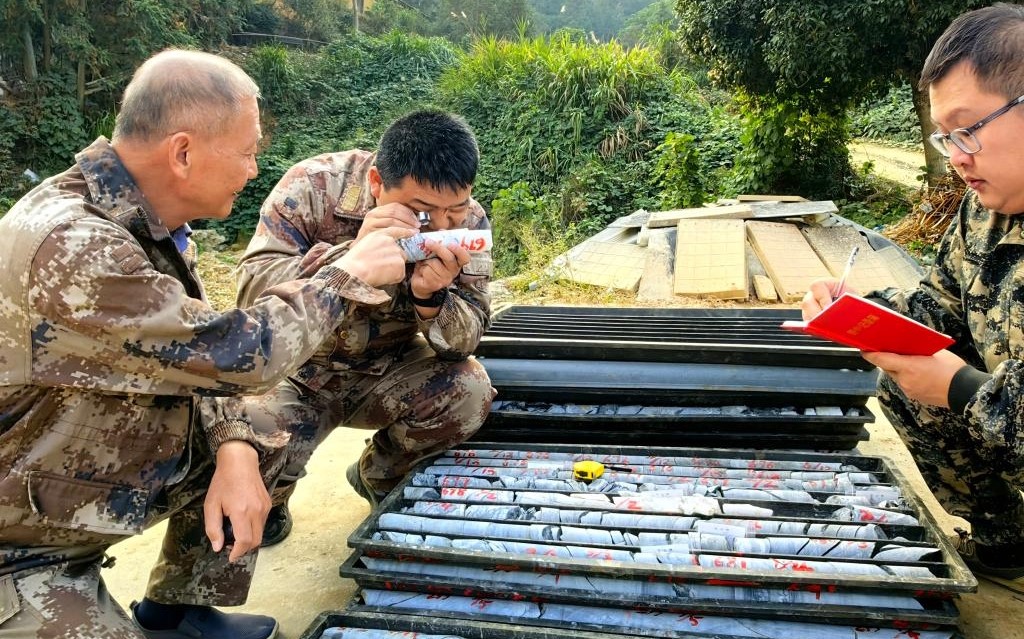
The North American mining sector is not large and its business/financing leaders are well known. Most of them readily admit that mining is all about people—that the journey from a discovery-stage company to the next major can more accurately be predicted by the relationship between the people on the ground and the people on the board than by the details of the mine plan or indicated mineral reserves. Juniors readily take on substantially more market share if led by teams or individuals that have successful track records.
Mining industry experts and analysts can be heard saying such things here, here, here, and here.
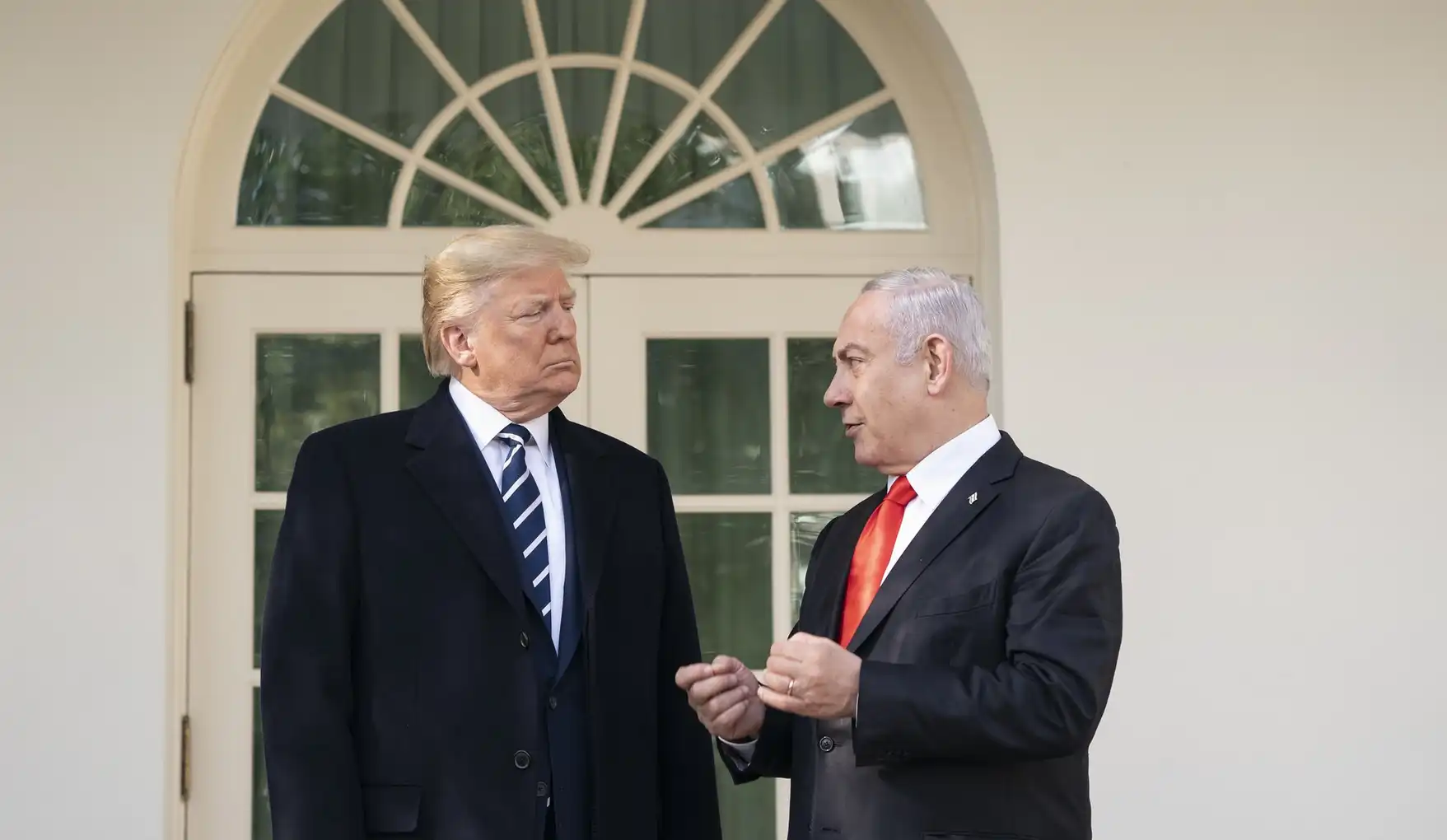
In lieu of that relationship building, there’s the Trump Administration’s gun-on-the-table negotiating tactic of applying blanket tariffs in advance of any serious trade talks—like in the case with the world’s larges nickel producer Indonesia,; or in the case of Greenland, literally putting the gun on the table, before threatening the blanket tariffs.
As much as Donald Trump may try to skip this vital step, evidence already exists that to do so is to condemn to failure the entire exercise of trying to put the taxpayers over a barrel to genesis a new mining and refining industry for rare earths or the so-called critical minerals.
Cobalt is essential for lithium-ion batteries and is thus necessary for the manufacture of smartphones, laptops, EVs and a variety of sophisticated military hardware, such as in cobalt superalloys in the manufacture of jet engines and satellites, as well as for connectors, thermal switches, and microsensors that must endure the extreme temperatures of fighter aircraft speed and maneuvering, as well as missile launch and flight.
Recently, the world’s largest cobalt producer, the Dem. Republic of the Congo, set new export conditions to keep a tight grip on this designated critical mineral, including physical inspections, a quota system, mandatory compliance certifications, and a pre-paid, 10% mining royalty in advance of sale and shipment. By mid-January, no shipments had moved since the previous October, according to Metals Weekly, “as producers seek clarity and work to meet compliance rules”.
Metals Weekly continued saying that DR Congo aimed for 96,600 tons annually from 2026 onwards. China’s CMOC and Glencore, a Swiss-Anglo conglomerate miner and commodity producer, received the largest quotas. President Trump, with the White House’s stalwart, jack-of-all-trades negotiator Qatar backing him up, oversaw the agreement of a cessation of hostilities between Rwanda and the DRC in the eastern territory of Congo, which began after the Rwandan Genocide in 1994.
“We’re getting, for the United States, a lot of the mineral rights from the Congo as part of it,” Trump said at the time, and it remains to be seen how he takes the news that China and Switzerland were given the largest quota despite the agreement.
Metals Weekly, staying on the beat, would later report that Chinese analysts were unnerved by the Congo agreement, specifically as Glencore is under talks to sell its zinc interests in the country (far more common than cobalt) directly to the US under Project Vault. In response, one Shenzhen-based WeChat account that tracks African investment suggested, Chinese investors could continue helping the country industrialize, and finish a copper and cobalt refinery that would benefit regional stakeholders and hedge America’s policy risk.
Other analyzed WeChat accounts remained calm and confident that US investors aren’t willing to stomach the kind of losses Chinese firms suffered building out their incredible supply chain, while another said supply lost in Congo can be recouped through interests in Indonesia. The fact that there even are alternative options Chinese producers can look to is another sign of how sophisticated the Chinese metals and mining industry is.
Its multiple layers of leverage and resilience could see off Project Vault and the coalition Trump has put together to organize critical minerals supply chains outside of China’s singular control, not least because China is a willing business partner. For all the bluster of the White House over critical minerals/rare earths and China’s dominance over them, the People’s Republic readily shipped antimony to the US—the critical mineral needed most from a national security point of view, as it’s included in “every bullet, every pair of night-vision goggles, and in the starter battery of everything that floats, flies, or drives, from every howitzer to every stealth bomber”.
Who knows how much of this pale yellow mineral was bought from the Chinese only to send it screaming through the Middle Eastern air, even as China voted in the UN Security Council against America’s attempts to pass resolutions permitting its wars in Libya and Iraq. China only halted export of antimony to the US after Trump yet again attempted to use sanctions and tariffs against them to further his own protectionist agenda. Barring that, antimony will still probably be flowing to these shores. WaL
We Humbly Ask For Your Support—Follow the link here to see all the ways, monetary and non-monetary.