 0
0
 0
0

One week before President Trump launched Operation Epic Fury, US intelligence officials found no evidence to suggest that Iran was ever building a nuclear weapon, or that it was attempting to repair the damage inflicted by the US and Israel during their sneak attack on Iran in June, 2025.
Even before June, a US intelligence assessment found that Iran was not pursuing nuclear weapons and that even if it chose to do so, it would take up to three years for Tehran to be able to produce and deliver a nuclear bomb.
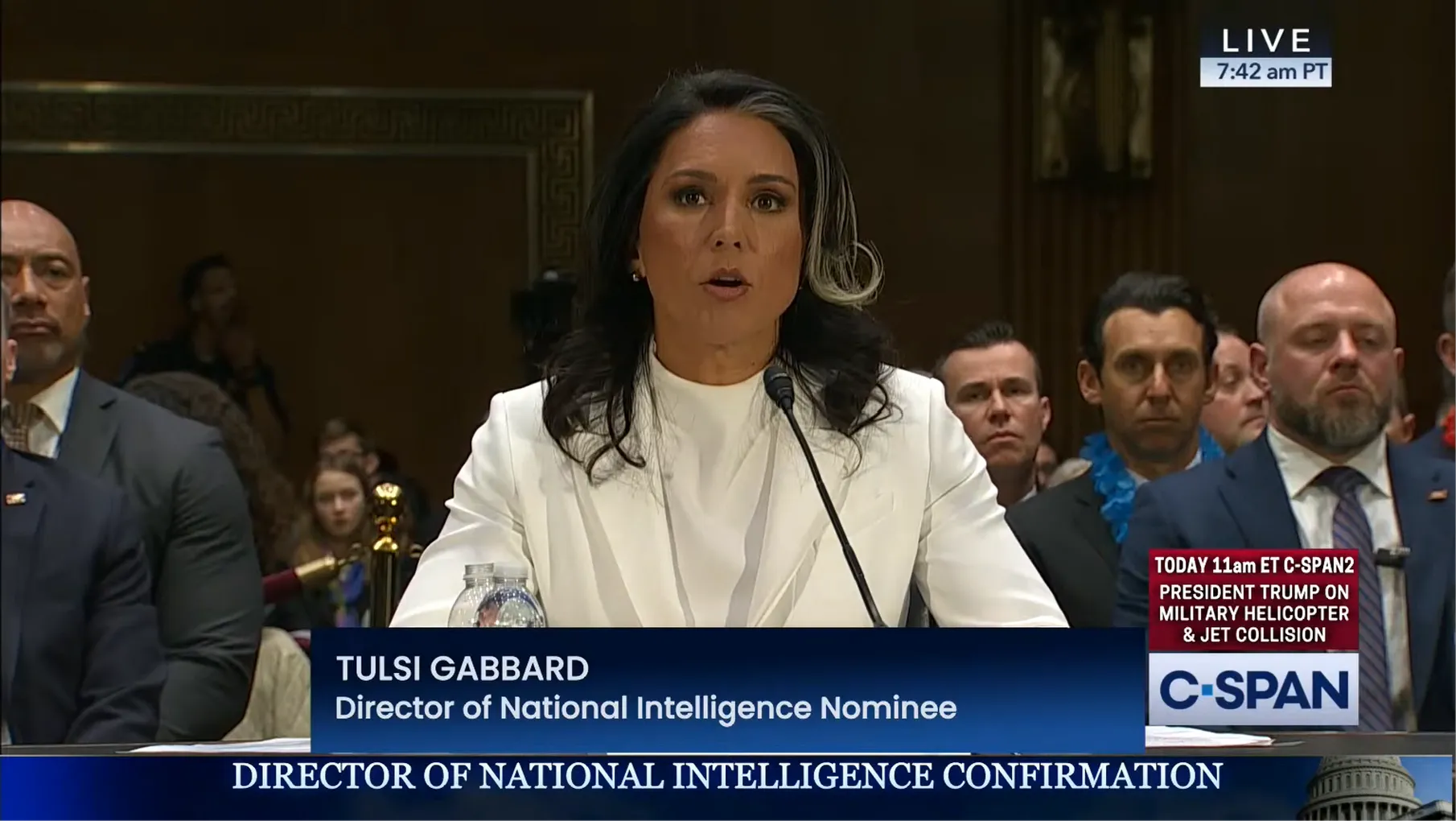
That March, the Director of National Intelligence Tulsi Gabbard said that “Iran is not building a nuclear weapon and Supreme Leader Khamenei has not authorized the nuclear weapons program he suspended in 2003,” a statement she would reiterate exactly a year later during Senate testimony.
Her assessment was reflected in the Intelligence Community’s annual threat assessment of 2025, but when asked about this assessment, President Trump said, “I don’t care what she said. I think they’re very close to having [a nuclear weapon]”.
Reports would eventually suggest that Trump may have been swayed by Israeli intelligence sources over and above his own.
Now, another US intelligence assessment—that Iran retains the vast majority of its ballistic missile stockpiles, underground facilities, and mobile launchers, which might warn Trump against reengaging with Iran as the current cessation of hostilities hangs by a threat, was just as swiftly dismissed by White House spokesmen.
In closed-door meetings with Congress, US intelligence briefers have outlined that of the 33 missile facilities along the Straight of Hormuz coast, Iran maintains access to 30 of them. The briefing also included the following: that enough mobile launchers are left to quickly and easily transport missiles from the damaged sites to new launching positions, that the IRGC still wields 70% of its pre-war missile stockpile and 70% of its launcher fleet, and that 90% of all underground storage and launch sites are operational and in regime hands.
First reported by the New York Times according to sources within the Congressional team briefed and “people with knowledge of the assessments,” it contrasts starkly to what the American public has heard from its executive officials.
The official line is that the Iranian military is “obliterated,” and even 9 days into the war, Trump falsely claimed that the Iranian missile strikes had been reduced to a “scatter”. Iran maintained its ability to strike across Israel and US positions in the Gulf deep into March, hitting the town of Dimona near Israel’s nuclear power and clandestine weapons facilities on March 22nd, injuring 160 people and leveling a whole city block.
Both Pentagon spokesman Joel Valdez and White House spokeswoman Olivia Wales responded to request for comment on the recent Iranian missile assessment by saying that anyone who believes the Iranian army has been reconstituted in some way is a “mouthpiece” for the regime in Tehran.
Iranian missile capabilities were a significant concern of the Israeli regime in the lead-up to the war, with Tel Aviv labeling them a “red line” and Tehran, during negotiations with the Trump Administration in Geneva, as a “matter of national defense,” and therefore a non-negotiable point.
An attempt to restart the bombing operations on Iran would require substantially better performance at striking Iran’s underground missile silos. The Times, reporting on that very question, quoted officials as saying that “the Pentagon, faced with limited stocks of bunker-busting munitions, opted to try to seal off many of the entrances rather than trying to destroy the entire sites with all of the missiles inside,” but that this option was always limited since these expensive and powerful munitions have to be reserved for war plans with China and North Korea.
In other words, CENTCOM may have no tools other than a ground forces operation for taking apart these underground lairs. That would require bringing many of the 20 warships currently blockading the Strait of Hormuz much closer to the coast, which the intelligence community claims Iran is well-prepared to repel. WaL
We Humbly Ask For Your Support—Follow the link here to see all the ways, monetary and non-monetary.
PICTURED ABOVE: Director of National Intelligence Tulsi Gabbard in testimony before the Senate Intelligence Committee. PC: C-SPAN, screengrab