 0
0
 0
0

Debt of all kinds in the US is reaching levels that seem impossible to manage to any normal set of eyes. There’s an innate sense for anyone who hasn’t had it beaten out of them through an economics major that something has to give, that like a tree, bending in the storm, it cannot withstand the pressure.
Total US federal debt, debt owned by the public (DOP), credit card debt, student loan debt, and auto loan debt, are all at record nominal highs.
The negative effects of too much debt are also plain to see. The household savings rate hovers mere basis points from all time lows, the private credit market seems a bubble with the air rushing out of it, and more Americans than ever, a truly staggering 111 million people according to recent data, cannot fully pay off their credit card bills month-to-month.
As of March 31st, DOP stood at $31.27 trillion, having crested 100% of GDP, a measure of the entire value of the national economy. Total debt nears $40 trillion, a grim milestone all but certain to be passed in the wake of the President’s attack on Iran. The interest payments per year on this monstrous sum of $39.2 trillion equal $1.02 trillion.
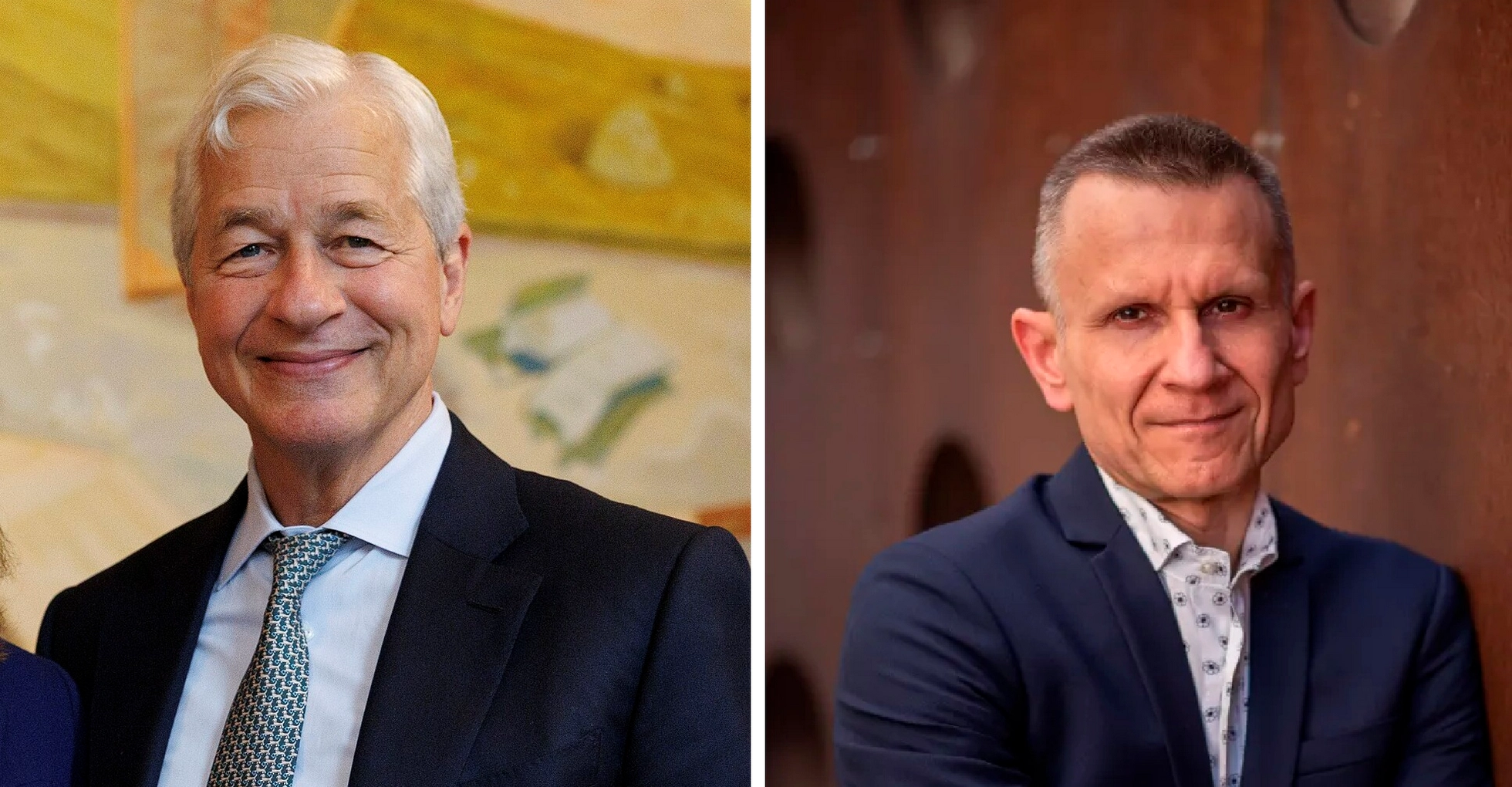
Broad warnings and condemnations echoed around Capitol Hill among those few voices who care about the debt as an issue, as well as from some others who helped make it an issue, but also from Jamie Dimon, CEO of JPMorgan Chase and Ray Dalio, the founder of Bridgewater Associates macro investment firm. The former predicted a crisis in the bond market that policymakers will be too slow to avoid, while the latter has long singled out the debt as the cause of an impending economic “heart attack”.
On a more granular, industry by industry level, debt is everywhere weighing the US economy down.
In a report entitled When the Wheels Come Off: How Surging Auto Loan Debt Is Hurting Households, the Century Foundation states that at the end of 2025, 86 million Americans held outstanding auto loan or lease debt, and that the monthly average payment for this debt is between $660 and $760. Loans are stretching out too, with some passing 7 years repayment periods. Auto loan burden is linked with substantially faster credit card debt accumulation across all income brackets, the report found.
Compared to 2018, the average auto loan in America is $10,000 more expensive, and comes with a 7.5% higher APR. These really worryingly-high numbers spawn out of a country where the average price of a car is $47,000, and where there is a dearth of affordable models by any make. With sticky price inflation aggravated by the tariffs of April 2025 on new vehicles and parts from various manufacturing nations, the $1.86 trillion in auto loan debt is now “the largest portion of non-mortgage consumer debt ever recorded”.
Private credit in a nutshell
Since November, 3 private lending businesses have already gone bankrupt, while three others are significant withdrawal rates in what is labeled by some as the evidence of a bubble bursting and others as just a fearful overreaction not reflected by structural weakness in the direct lending industry.
The victims, First Brands and Tricolor, were cited by some as examples that in the world of direct to business lending, known shorthand as private credit, due diligence standards may have slipped, and lending decisions may have been maid overzealously. Blue Owl, New Mountain, and Blackstone, 3 firms represented in the private credit ecosystem, are now all experiencing customer withdrawals and redemptions that some have blamed on fearmongering.
Jamie Dimon again: this time commenting that “there are usually more cockroaches” scuttling around, if you see one or two.
The private credit market may hold some $1.4 trillion in company debt, an absolute monsoon compared to 2007 totals of just $170 billion. Others argue that the whole ecosystem underwrites $3 trillion, or even as much as $40 trillion in debt, but it depends where people draw lines.
While Wall Street and financial writers spar about whether private credit has itself to blame, Attila Rebak, investment manager in capital markets for more than 30 years, argues instead that by keeping interest rates artificially low, the US Federal Reserve sent capital into the far corners of the market seeking higher yields than what Treasuries were paying.
Additionally, Rebak writes, the post-2008 regulatory framework required banks to hold substantially more collateral before backing loans like those made by private credit firms today. That meant cost of sales went sky high, while demand did not follow. The market needed a solution; private credit provided it.
“What built the fragility now accumulating in private credit portfolios was not a lack of regulation. It was a decade of artificially-cheap money that compressed yield everywhere and forced capital into increasingly-marginal risks,” Rebak wrote at the Mises Institute. “The market grew because it served a genuine need the regulated system had abandoned. It accumulated risk because the price signal that should have constrained that growth—the interest rate—had been distorted beyond recognition”.
Rebak then points out some of the reasons why analysts around the world are looking at private credit like a bubble and a risk. Covenant-lite loans—”structures that omit the periodic financial tests that historically gave lenders early warning when a borrower’s performance deteriorated,” are now opted for 93% of the time, meaning the only warning lenders receive that a borrower might be heading towards trouble is a missed payment.
“Selective defaults—covenant waivers, distressed debt exchanges, and out-of-court restructurings—outpaced conventional defaults five-to-one in 2024. In the lower-middle market, borrowers with less than $10 million in EBITDA show covenant default rates above 31%,” he also added.
Other analysts have pointed out how much of the private credit bubble-not-bubble is tied up in software companies that stand a unique risk of being put out of business by AI—as much as 40% of all lending may be going to such companies.
“Everyone’s terrified. They don’t know who the winners are. They don’t know who the losers are,” Jared Ellias, a law professor at Harvard and co-author of a recent paper regarding private credit, told NPR. “The great fear is that private credit is going to turn out to have financed a lot of the losers, and then those private credit funds are going to be left with huge losses”. WaL
We Humbly Ask For Your Support—Follow the link here to see all the ways, monetary and non-monetary.
PICTURED ABOVE: Tobias Deml CC 2.0. via Wikimedia.