 0
0
 0
0

For days, I knew I was heading toward the Euphrates River; every kilometer eastward brought it closer and closer. More a river in the mind than on the map, her breadth is much less than other famous rivers I’ve seen, but her mythical reputation as one of the ‘potam’ in Mesopotamia, the birthplace of civilization, of agriculture, animal husbandry, and writing, made her seem like a landmark as great as any in our world. Out of her clear waters draining into the swamps of Iraq, the cities of Eridu and Uruk emerged as the first true urban centers known to exist.
Looking at an atlas of Turkiye, however, one cannot ignore the insignificance of that little ribbon of blue that meanders through the country’s arid south, dividing it in two. My mind enlarged it dramatically, to no fault of the mapmaker. Of famous rivers I’ve gotten to know the Ganges, the Thames, the Potomac, the Rhein, the Amu Darya, and the Han, but the Euphrates, with its crystal clear, Caprese water, its birdlife, and the kindness of those who live along its banks, sits in a class of its own.
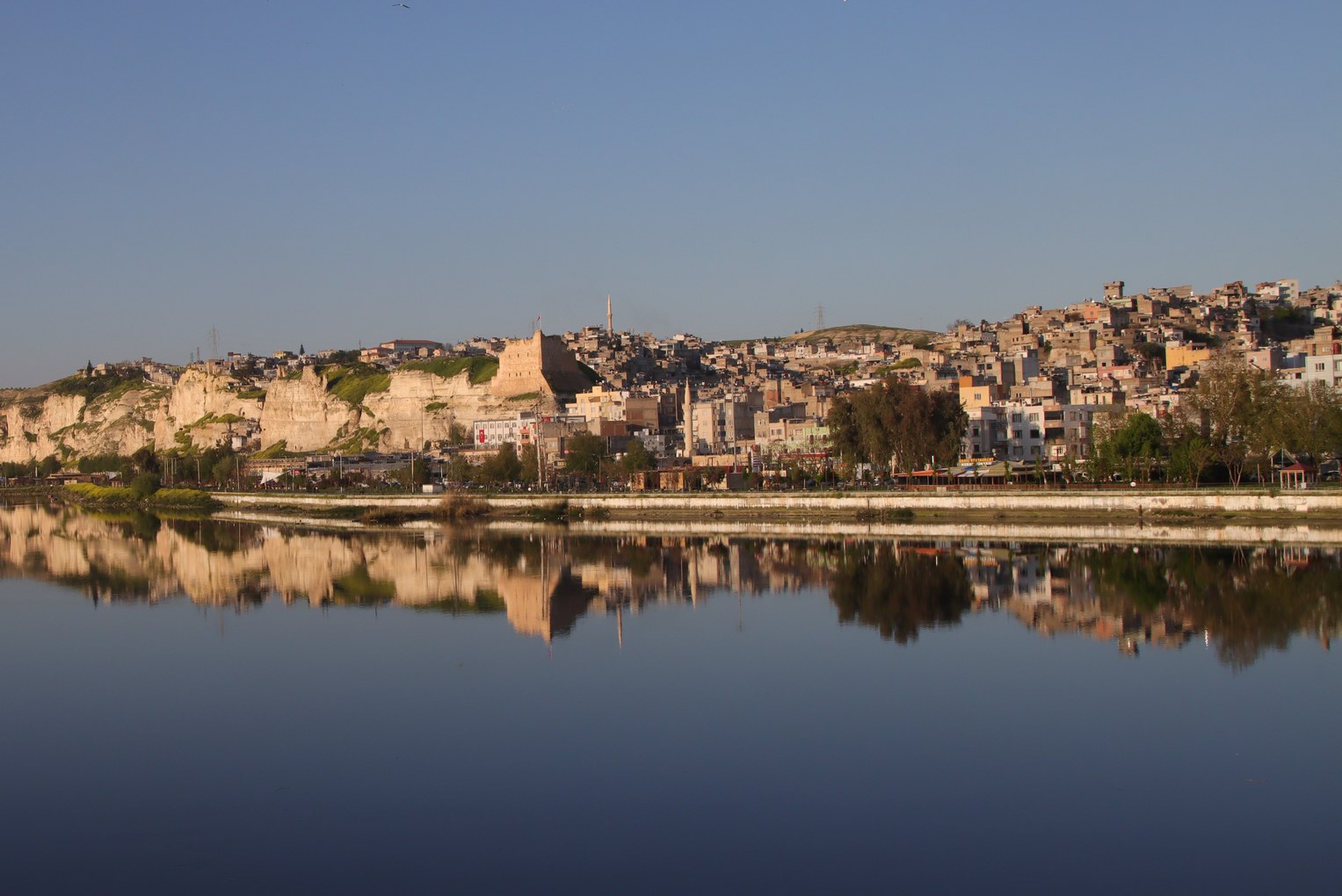
I had struggled, and perhaps most will do, to project that little ribbon of blue I saw on my atlas into my mind’s eye, imagining something so miniscule could be so large and famous. I knew it was large, I knew it was famous and busy, and I knew that today would be the day that its measurements could finally be defined when I climbed into the minibus at Antep bus station headed for Birecik. Birecik is a town along the Euphrates that mounts high sandstone cliffs which the great river exposed over thousands of years. These cliffs are the only ones along the southern Anatolian portion of the Euphrates, and it make for a pretty unique setting, never more than when the setting sun sets them afire from its path across the western Anatolian horizon. The town is quite provincial, and the feeling of poverty, especially in some of the buildings up above the cliffs, is inescapable.
Yet the town is charming for 5 reasons. It has a 5-kilometer-long riverside park where locals go to picnic every day. The park is teeming with birds which enjoy exceptional upstream habitat among the river, its rushes, and the orchards of pistachio and figs that spread out beyond the western banks. Two delightful restaurants sit on huge pontoons on the river: one a Western style café that becomes a lounge at night, and the other a kebab eatery. There is a breeding center for the bald ibis, a migratory bird that has been a beloved harbinger of springtime in local and likely pre-Islamic tradition. The center is part of a birdwatching movement in Turkiye that’s growing as the upper crusts of society are able to afford binoculars and telescopic lenses for their Japanese cameras.
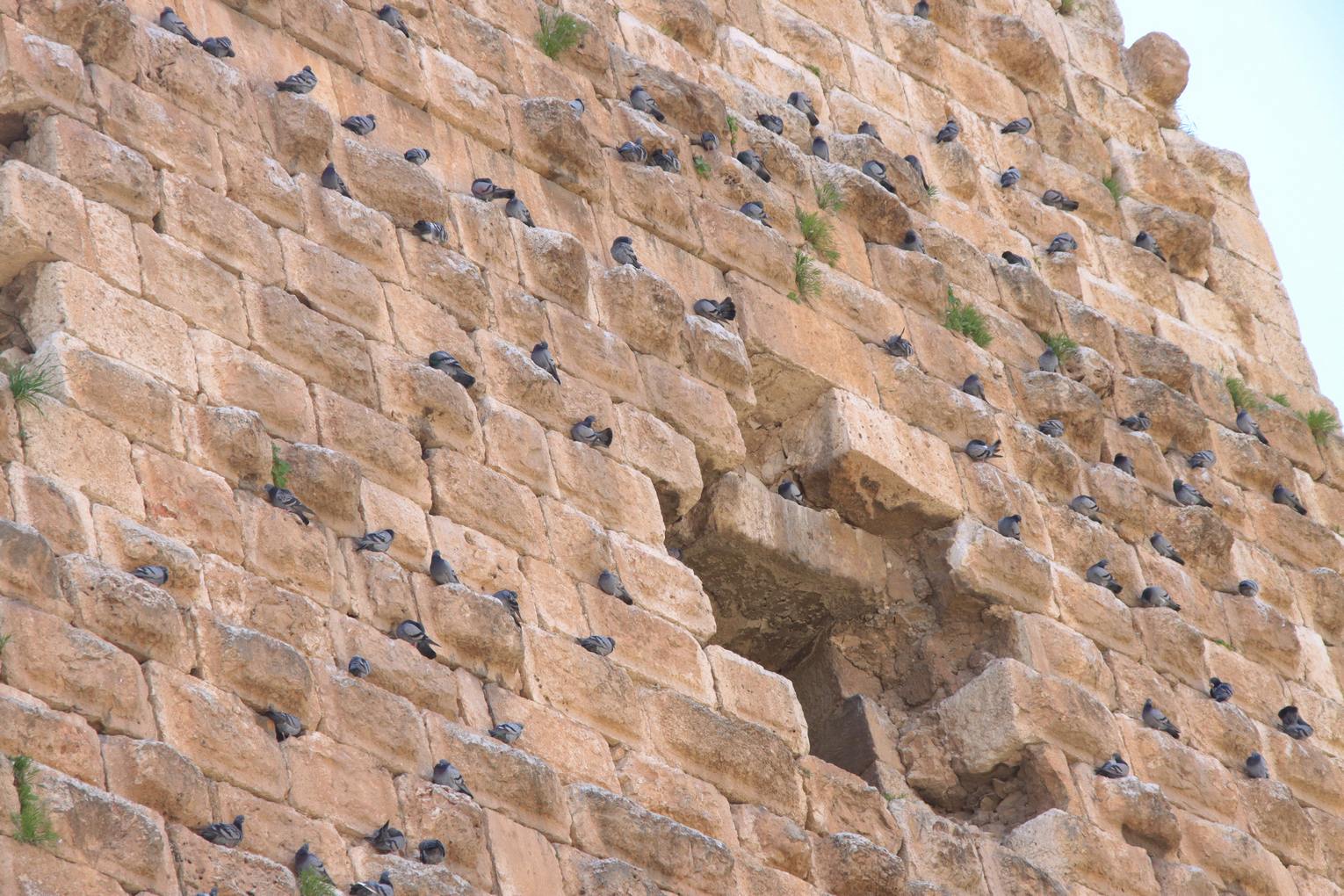
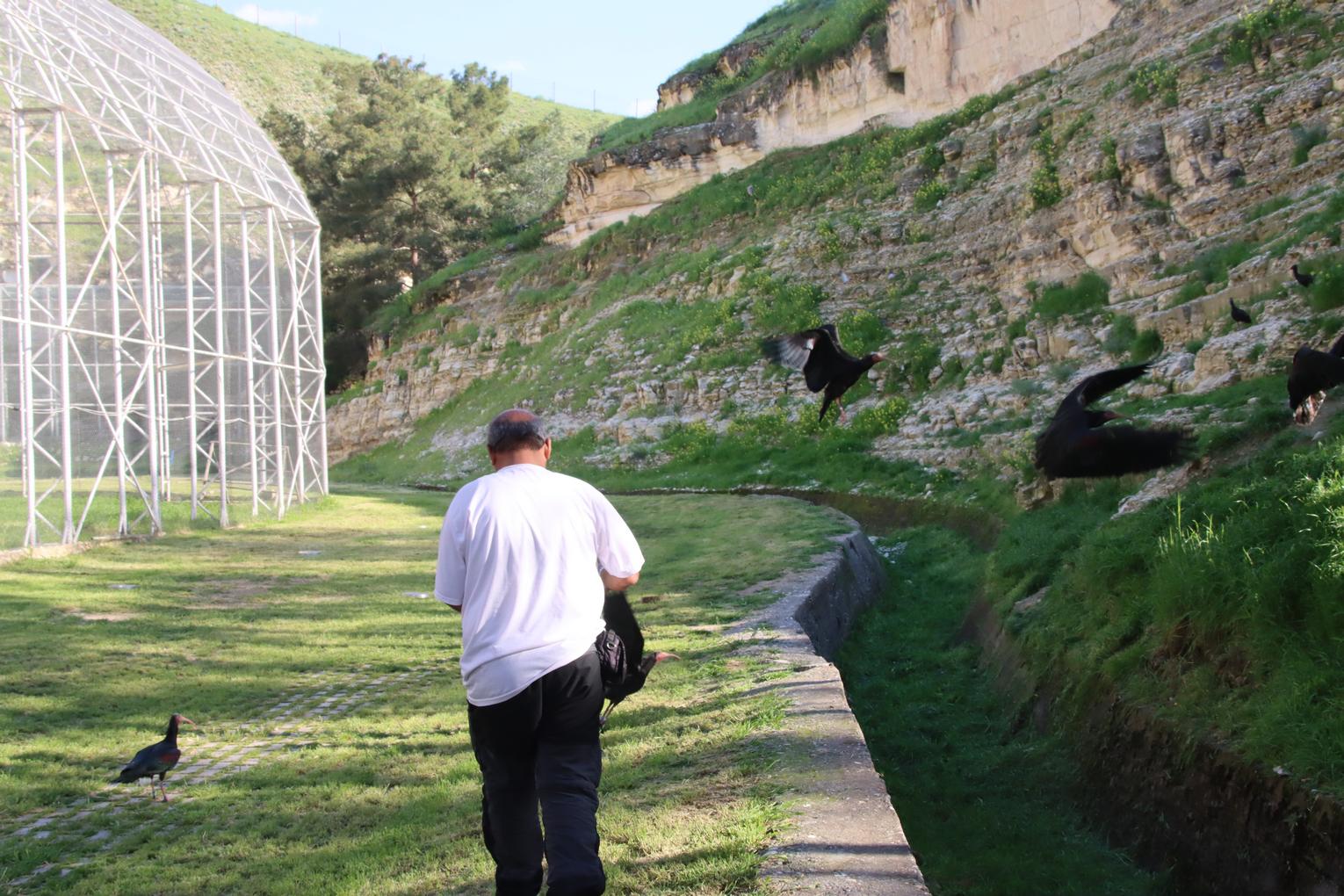
One of the best ways to protect nature is to make people wealthy, as when they’re no longer anxious about food and work, transportation and leisure, they have room in their mind to be concerned about vanishing habitat and wildlife like the Euphrates soft-shelled turtle, or the bald ibis which in Turkiye nests only on the cliffs near Birecik.
I have only listed 4 charming reasons to visit here, and will now duly report the promised 5th. There is clearly a pace of life reflected, and perhaps defined as I saw it, by the river. Day after day the water drifts by, and I think that has influenced the town. Nothing seems more popular than sitting on a bench by the river when not at work and doing exceedingly little of anything in particular. Go to __ lounge, order a coffee, sit on the deck, and just watch the small particles of aquatic foliage go sailing by, carried on by a swift yet gentle current through beautiful blue water over a bed of stones, the color and texture of which are so clear to see that one could sketch them.
All landscapes possess an element of timelessness. Forests feel antique, mountains feel ancient, the ocean feels eternal, universal. The river has elements of them all I’d say. There is an element of eternity in the river—that its waters are constantly arriving and departing in an unbroken flow. There is an ancient element in the cutting out of its path over thousands of years, eroding away stone and building up sediment to make new stone millions of years from now. There is an antiquated element to a river in the way of life it endows to those who dwell on its banks. Swimming, boating, and fishing have changed little since the days when boats and fishing tackle were first invented. I’ve seen these things on other rivers, but on the Euphrates they shined clearer than most, and I might go so far as to say it’s the finest river I’ve ever had the pleasure of meeting. WaL
We Humbly Ask For Your Support—Follow the link here to see all the ways, monetary and non-monetary.
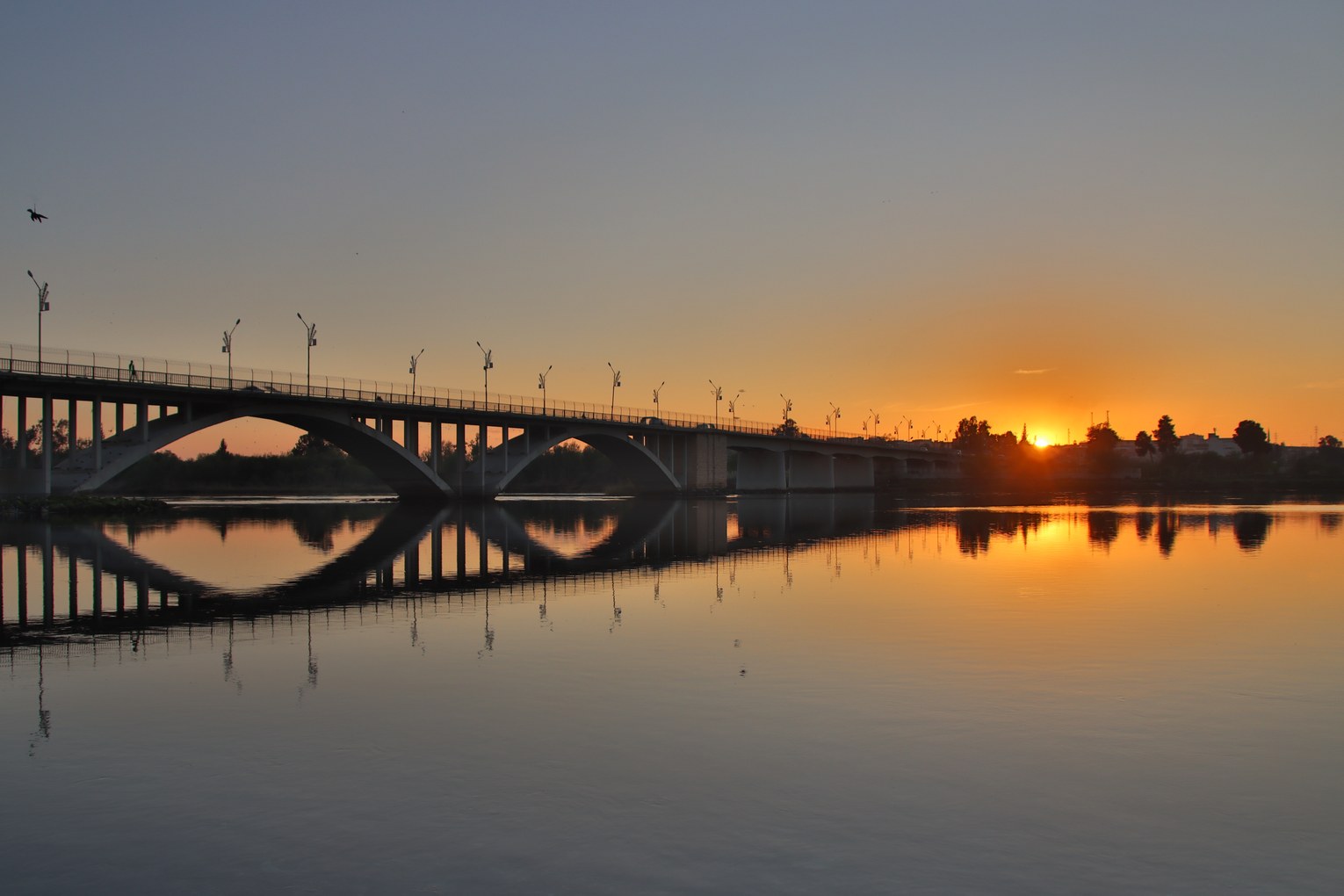
PICTURED ABOVE: The sun sets on the Euphrates—how many times would man have watched this scene? PC: Andrew Corbley ©