0
0
 0
0

From the prophecies of Sanliurfa to the stunning Lake Van, Turkish Kurdistan is like visiting a country in and of itself, at the center of which are the Kurds: the fourth-largest stateless ethnic group, and one that has never failed to leave a positive impression with anyone, apart from those who attempt to conquer them.
Turkiye as a country has countless destinations and mini itineraries, but one could do worse than a trip through the Kurdish-majority areas, where several sites, cities, and towns would make a great destination measured even against the country at large. Diyarbakir on the Tigris, the old multi-ethnic castle town of Mardin, Sanliurfa, the city of prophets, and Gobeklitepe, the most important archaeological site in the world, testify to that fact by their Kurdish majorities.
If one can manage to slow down while traveling through these places, what they’ll find is that they are among friends, as the Kurds seem very much the friends of the world.
“I am Kurdish,” said everyone I met here practically without being asked. The admirable and famous pride of their race is there still, despite historic suppression by the Turkish government.
Around 20 million Kurds live in southeast and eastern Anatolia, which is both the most sparsely populated region of Turkiye and the highest in average elevation. There are several high mountains, and the largest lake in the country, which also happens to be one of the two largest Kurdish majority cities.
Sanliurfa
This “City of Prophets” is known shorthanded as Urfa, and it’s where, according to something between sources and legend, the Prophet Abraham was born and brought up. Urfa is a bit more of a melting pot compared to other Kurdish-majority cities, with Arabs and Turks contributing in large part to the city’s total population.
It was part of an area that is generally associated with the discovery of agriculture, and numerous ancient sites—the most ancient organized settlements known to man—are found in the vicinity, including Gobeklitepe, sometimes called the “world’s oldest temple” but which probably should be called “the most important archaeological discovery in history”. 14 kilometers northeast of Urfa, at least 11,600 years ago, people gathered together in groups with the organization and artistic talent to carve huge multi-ton stone monoliths and erect them into the middle of stone enclosures.
It back dates societal organization of this scale by several thousand years, potentially into the last Ice Age.
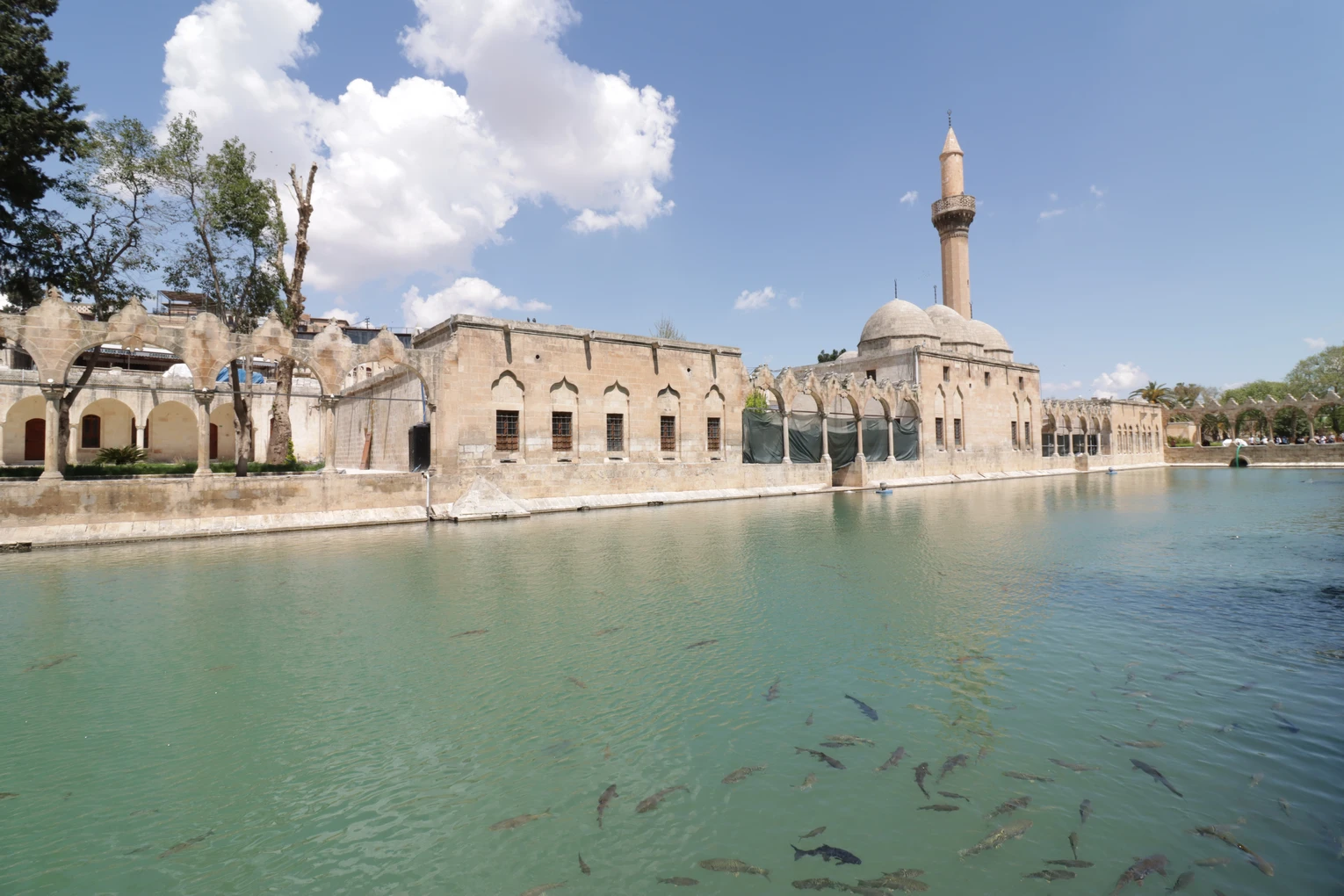
In the city of Urfa itself, a pilgrimage site once holy to Christians and then to Muslims sits at the middle of a grand architectural ensemble, at the center of which is Balikligol, or Fish Lake. The holy books tell a story of Abraham smashing the idols in the Temple of Sin, the moon god worshiped by the king. In response, the king ordered that Abraham be cast into a giant fire that was built at the foot of the hill.
Then, it’s written, God commanded that the fire should not burn Abraham, and so the fire turned to water, and the wood that kindled it into fish, so that when Abraham landed in the pool below, he was unharmed. Today, a stone basin built by Turkish rulers long past, but which likely was originally built by Christian Byzantium, still sits at this site. Filled with fish considered holy, it is surrounded by mosques, madrasahs and gardens, over looked by Urfa castle, which has probably been the site of the area’s habitation since Neolithic times—as testified by a large stone that far precedes the Romans whose architecture can be found interwoven with later Islamic societies.
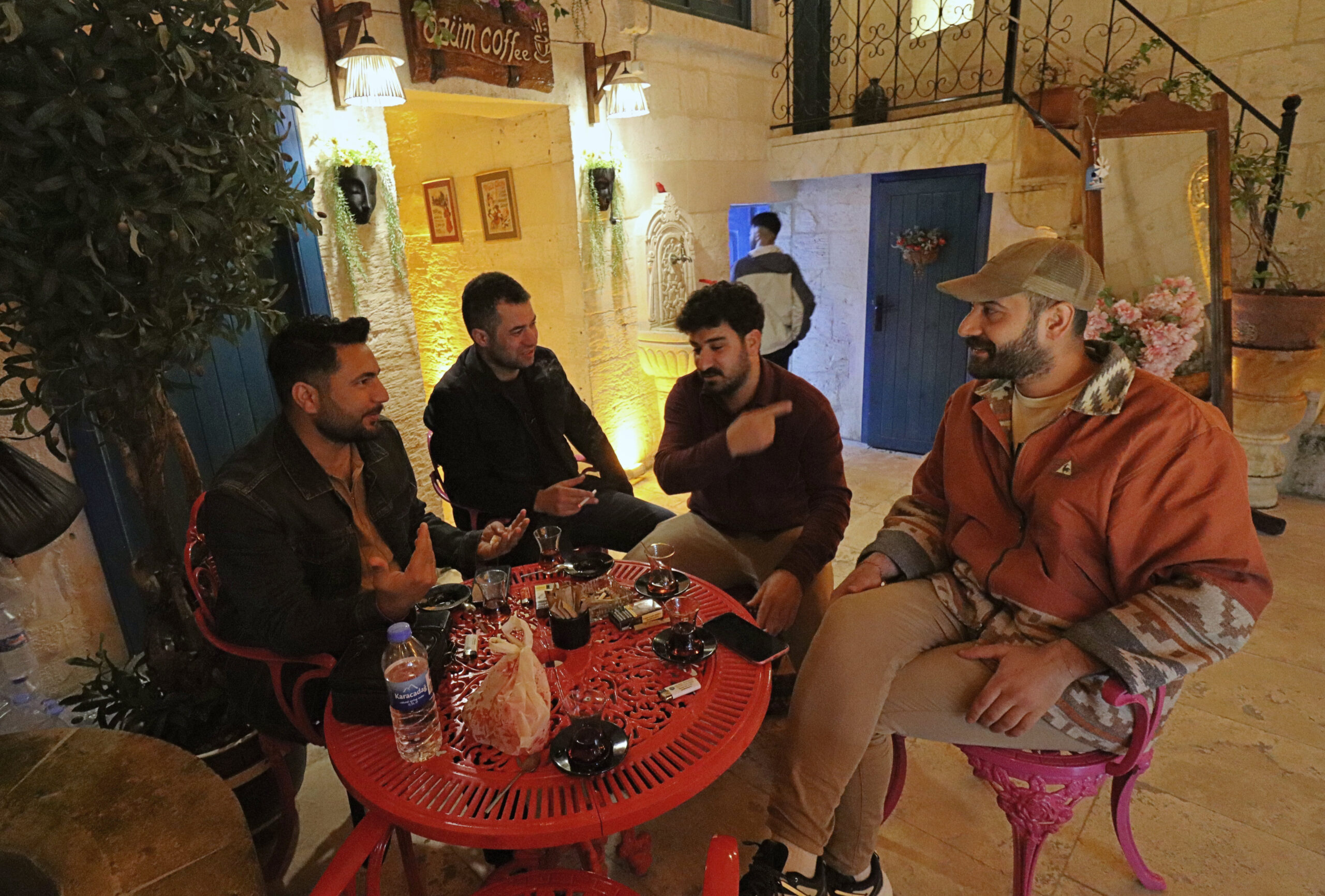
Amidst all this grander are the Kurds: polite, generous, welcoming; like Mehmet at Özüm Coffee. He invited this author to dinner at his house when he heard I was seeking Kurdish food.
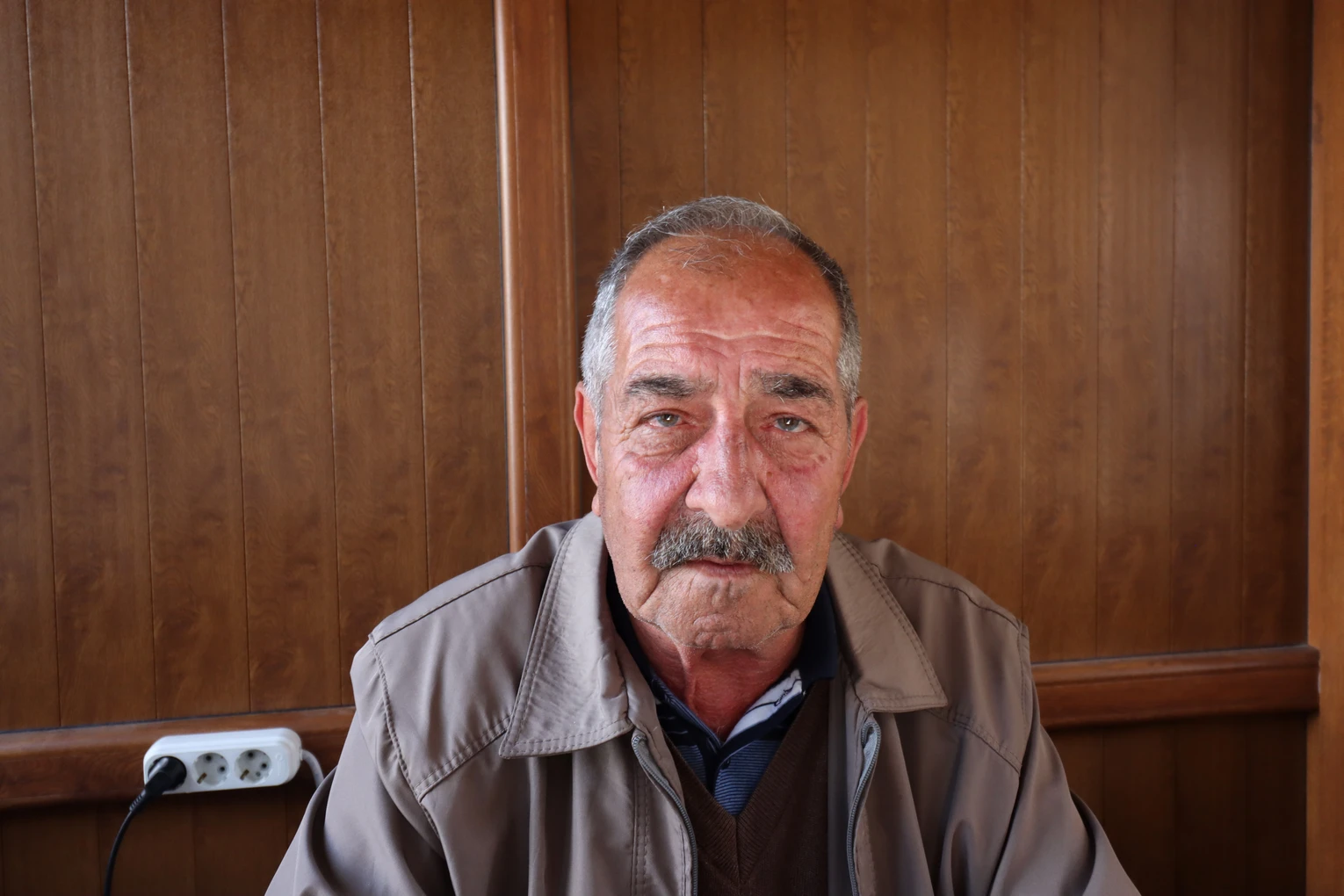
Old Mardin
A short drive from Urfa is Mardin, a modern town that seems a nice place to raise a family, above which lies a tower of brown rock that’s a true Turkish tourist trap. That in itself is somewhat fun—seeing people in a developing economy be get to be tourists in their own country—but it’s reflective of the vibe of the place. It feels like a party town. It feels like a Kurdish Monte Carlo.
For whatever Islamic doctrines cling to Turkiye, Mardin shakes them virtually all off. Visitors are allowed in all the historic mosques, provided proper etiquette is observed, and alcohol is served in many of the restaurants, as well as on the street. Here, visitors from all over Turkiye, and even from Iraq, come to have a good time. Beyond the glossy veneer is the Kurdish working demographic who sweep the streets and man the stores.
Take this Kurdish gentleman manning the ticket counter at the Armenian orthodox church, one of several churches in the city that testify to its historic reputation as a crossroads of tolerance.
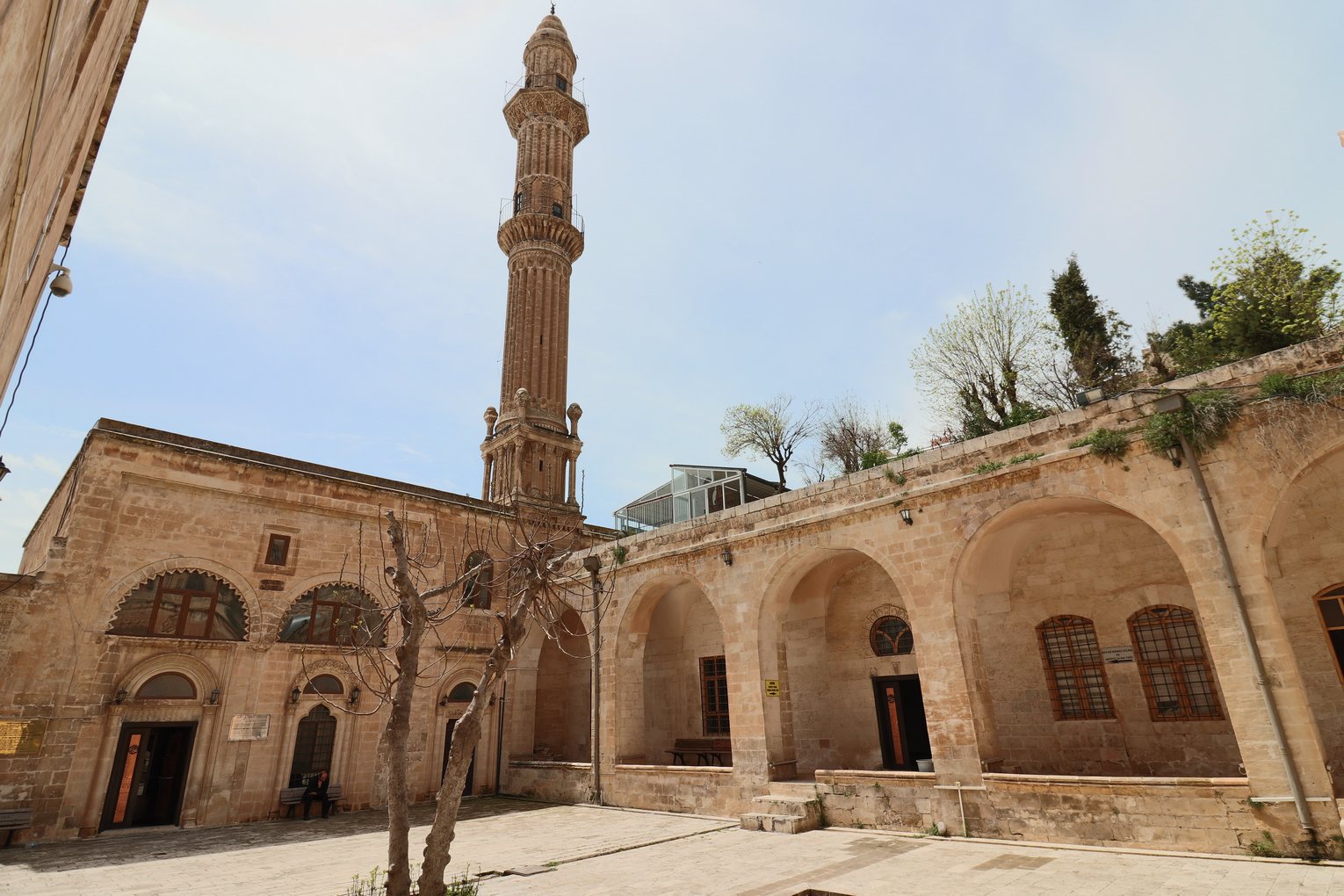
He had spent time in Argentina, and was able to swap his Spanish with my Italian for a conversation that had me charmed, and forgetting why I came to see the church in the first place, when all I wanted to do was buy the man tea.
If you’re visiting Mardin, do yourself a favor and get off the main drag which is clogged with tourists most of the day. There is a street that runs more or less parallel to this up the stairs to the left. Here you might get a glimpse of life beyond the glamor.
The weight of history cuts through the chaos at times. The city is truly stacked with monuments, including two exquisite stone cupolas in the Artuqid sultan’s palace, and multiple historic Islamic sites, including the Grand Mosque with its towering minaret that dates to the 11th century, and the Şehidiye Madrasah with its 19th century minaret designed by—of all people—an Armenian. Talk about tolerance.
For dinner, you can’t do much better than Baghdadi Restaurant, itself located in an achingly beautiful stone building, serving many different dishes reflecting the crossroad-ian nature of Mardin. If you want a taste of the curious, contact Sofi and stop by his art gallery, where you will be left stunned with his works with amber and canvas.
Kurdistan capital: Diyarbakir
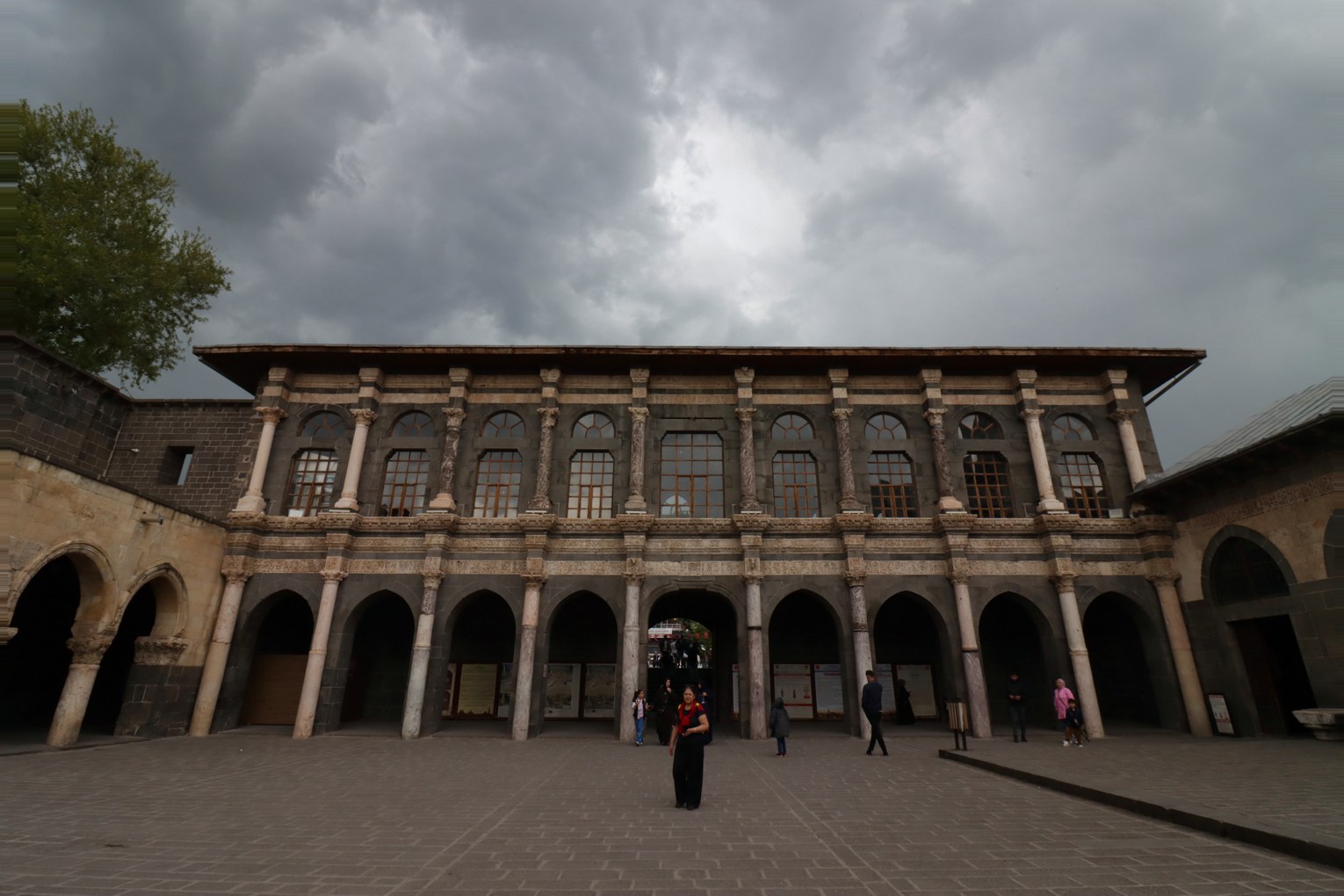
This city of black volcanic stone boasts UNESCO-inscribed complete city walls and a multi-ethnic history similar to Mardin. The largest Kurdish-majority city in Turkiye, Diyarbakir is something like a Kurdistan capital, and it’s where in the past many scenes of political unrest related to Kurdish cultural suppression have taken place.
Last year, the jailed founder of a Kurdish political terrorist organization called the PKK ordered it to disarm and dismantle, saying all that could be achieved with violence has been, and that now the struggle should be fought peacefully through representative government. It ended one of the world’s longest ongoing insurgencies, and Diyarbakir is now a much calmer place.
That’s a good thing, because the city is a feast for the senses. A day to see Diyarbakir only makes sense by starting at either the Grand Mosque, or the north or south gate to the old city so you can do a complete circuit of the walls.
The former is believed to be the first mosque ever built in Anatolia, and it is one of the most beautiful you’ll ever be likely to see, being constructed mostly of black volcanic stone blocks and white limestone in stripes, as well as borrowing some of the architecture of the previous Roman era when Diyarbakir was turned into basically a fort town.
The latter run for 5.8 kilometers and are Mordorian in their color and imposition. They contain several gates and many bastions, some of which can be climbed, and the whole sequence is easy to wind in and out of. If you start at the north and finish at the south gate, you can follow the road to the so-called Ten Eye Bridge.
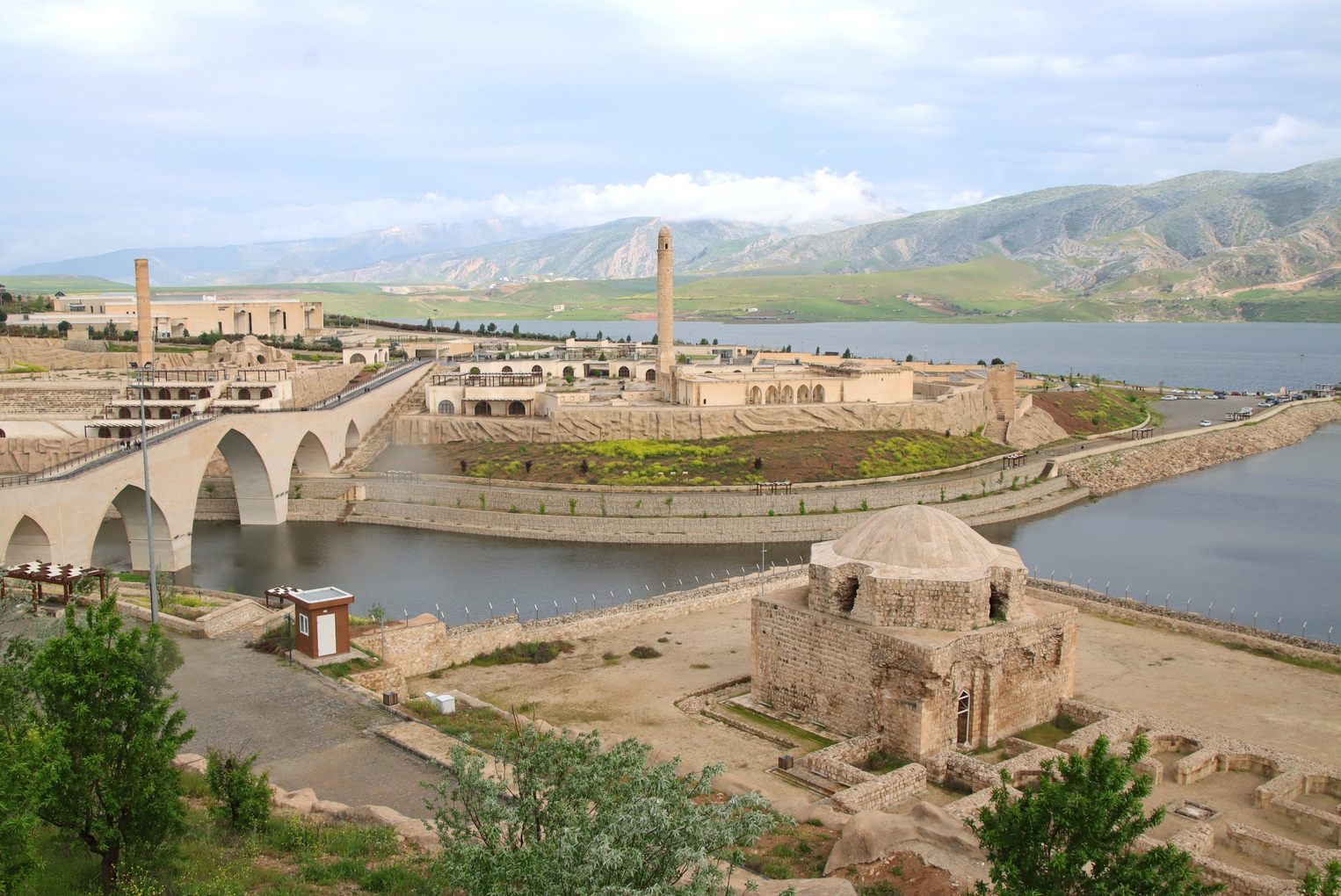
As the Grand Mosque was the first mosque in Anatolia, the Ten Eye Bridge is believed to be the first Islamic bridge in Anatolia. Crossing the Tigris some 2 kilometers south of the city walls, it’s a pretty sight, although a rather garish restoration job was just completed in 2024 that has taken away some of its historical charm. Above the bridge is the Hevsel Gardens, which drew water from the Tigris to supply both the city and orchards which are cultivated specifically to supply the population with produce, a rather unique activity that has been ongoing for millennia.
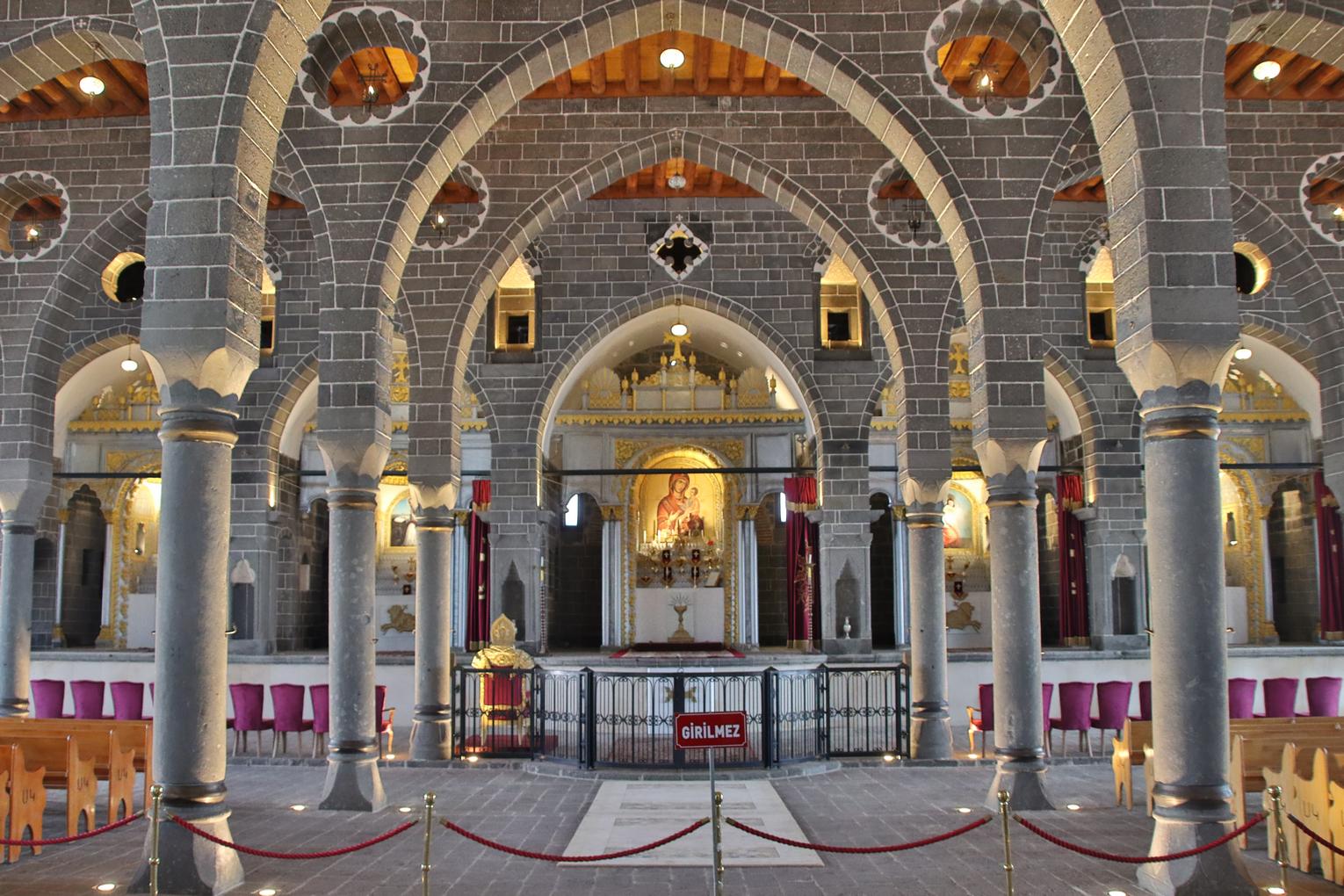
Inside the city are multiple mosques, but also three historic churches: one built originally in the 2nd century by Syriacs, one in the 4th century by Chaldeans, and an Armenian church built first in the 9th century. It too has been restored, but the inner columns and arches stand just as they did when there was neither a roof nor a floor in the place just half a century ago.
At the south gate, and farther north across the plaza from the Grand Mosque, there are two caravansary that have been converted for modern use with historic grandeur. The southern one is now a hotel, but even passersby can stop for a coffee or tea in the garden and courtyard. The northern one is let to several cafes, eateries, and trinket stores, and makes for a better show for the hustle and bustle—exactly as it would have been in the days of the Silk Road.
When your feet are tired from walking and it’s time to eat, Fırın-ci Sur is a must-visit along the main north-south road. Just past the front door is a little cafe corridor, and the perfect place for coffee or tea after dinner, and music as well. It’s not uncommon for all 4 of the cafes there to have music most nights.
You’re bound to meet some friendly, generous faces, who may want to talk—even if it exclusively requires Google Translate. There’s half a chance you won’t be paying for your tea, as someone will buy it for you, as Osman did for me, talking when he could between cigarette drags and being entranced by the oud player. WaL
We Humbly Ask For Your Support—Follow the link here to see all the ways, monetary and non-monetary.