 0
0
 0
0

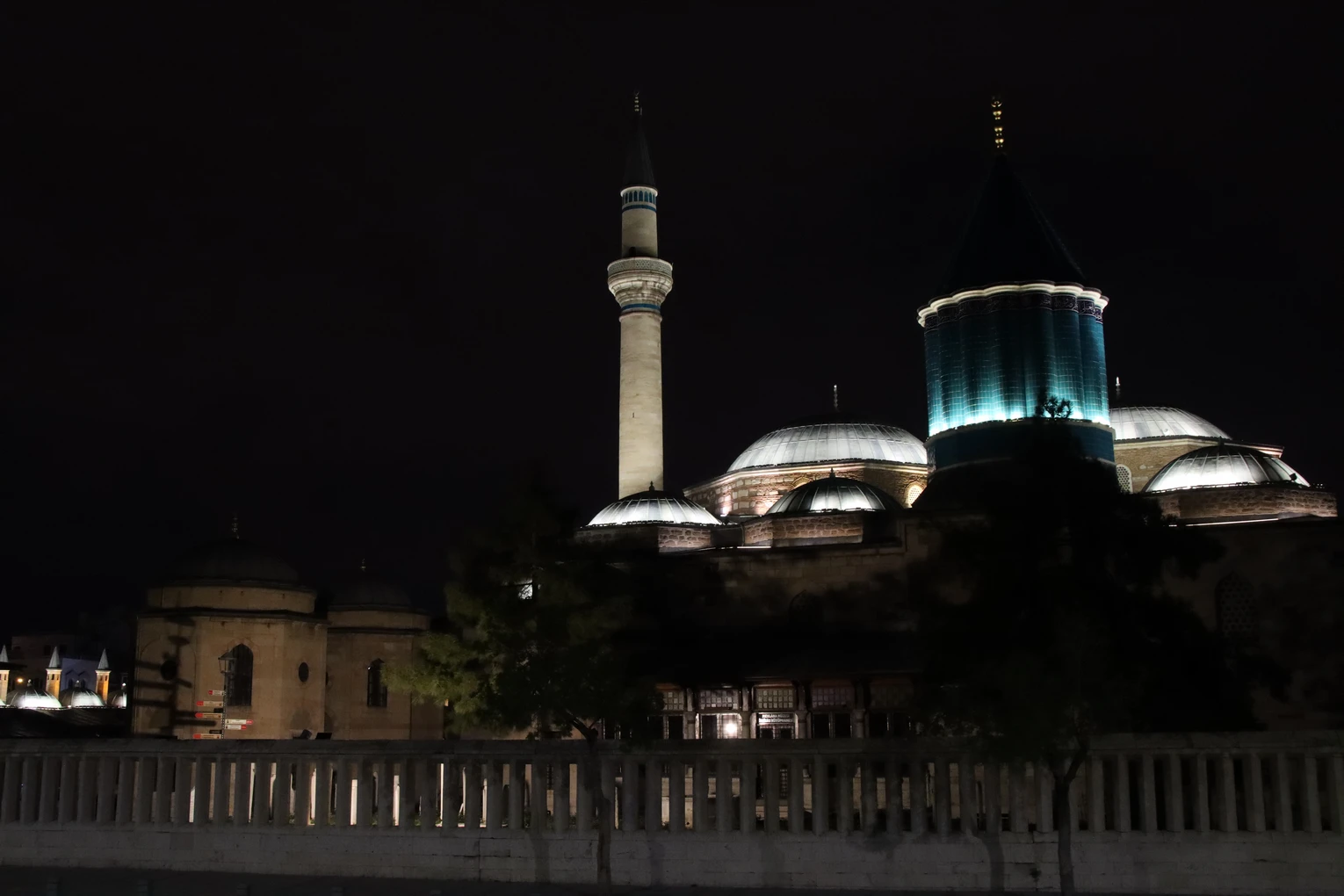
My trip began in Konya, where I was surprised to discover that here lay the body of one Jelal al-Din Rumi, the great poet and Sufi mystic. The man was born in Balkh, Afghanistan, migrated through Persia, Iraq, and Syria, before settling in this small Turkish city where he wrote his poems in the Persian language, then established his Sufi order of whirling dervishes. His book of poems is considered a seminal one in Islamic literature, greater than perhaps any other written by a mortal.
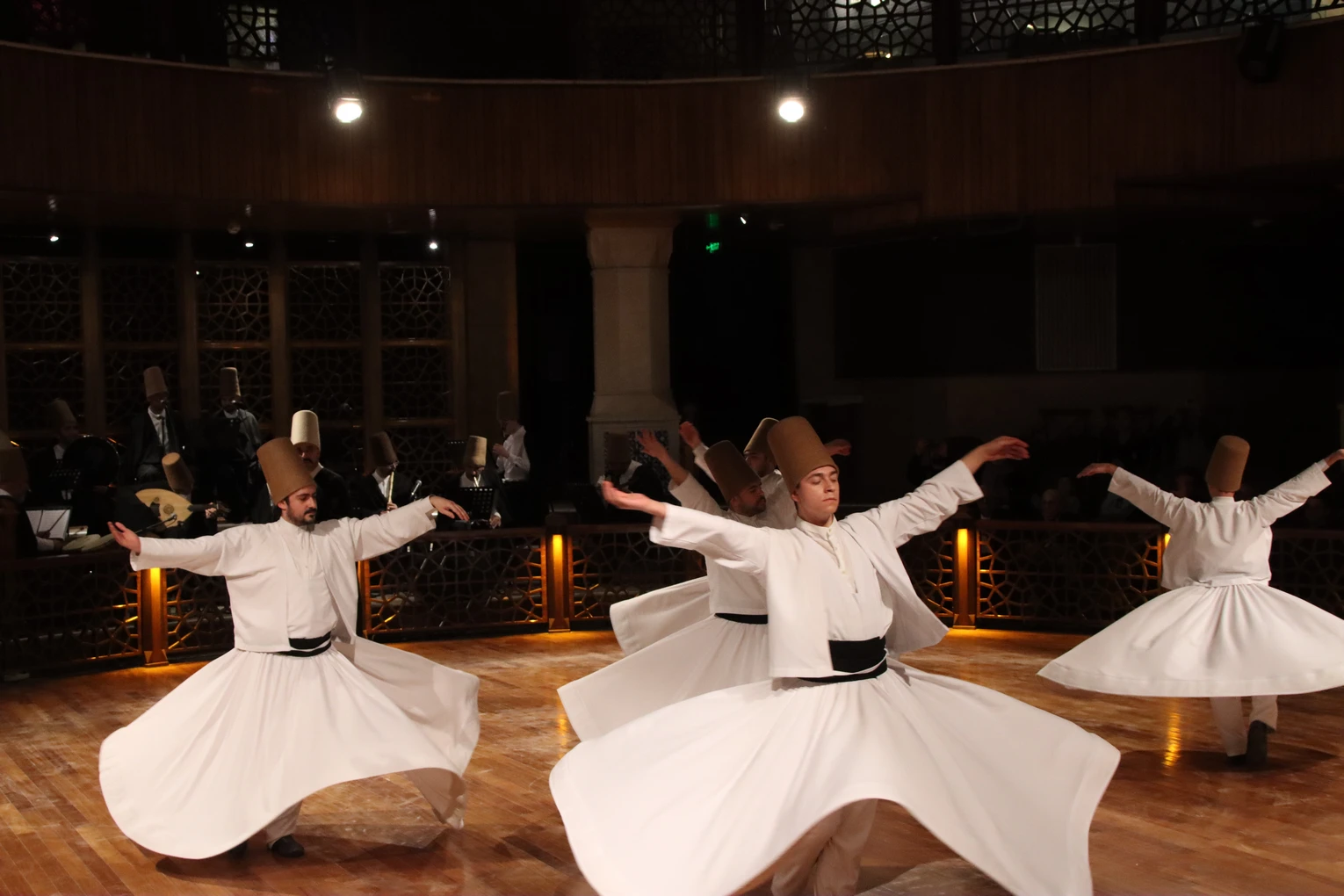
He was also the first whirling dervish, as far as concrete history can demonstrate. A local at his tomb told me that he himself began to spin following his acceptance that, after 60 days’ absence, his dearest friend Shams al-Tabriz was either dead or not returning. Spinning and spinning is supposed to be done out of love for god and a desire for a closer connection to him and the truth. The euphoria is said to help clear one’s mind of worldly egoism and open the way to hearing and understanding god a little bit better. Done with music and poetry and Quran recitations, it’s quite the show, although they assure you it is not a show.
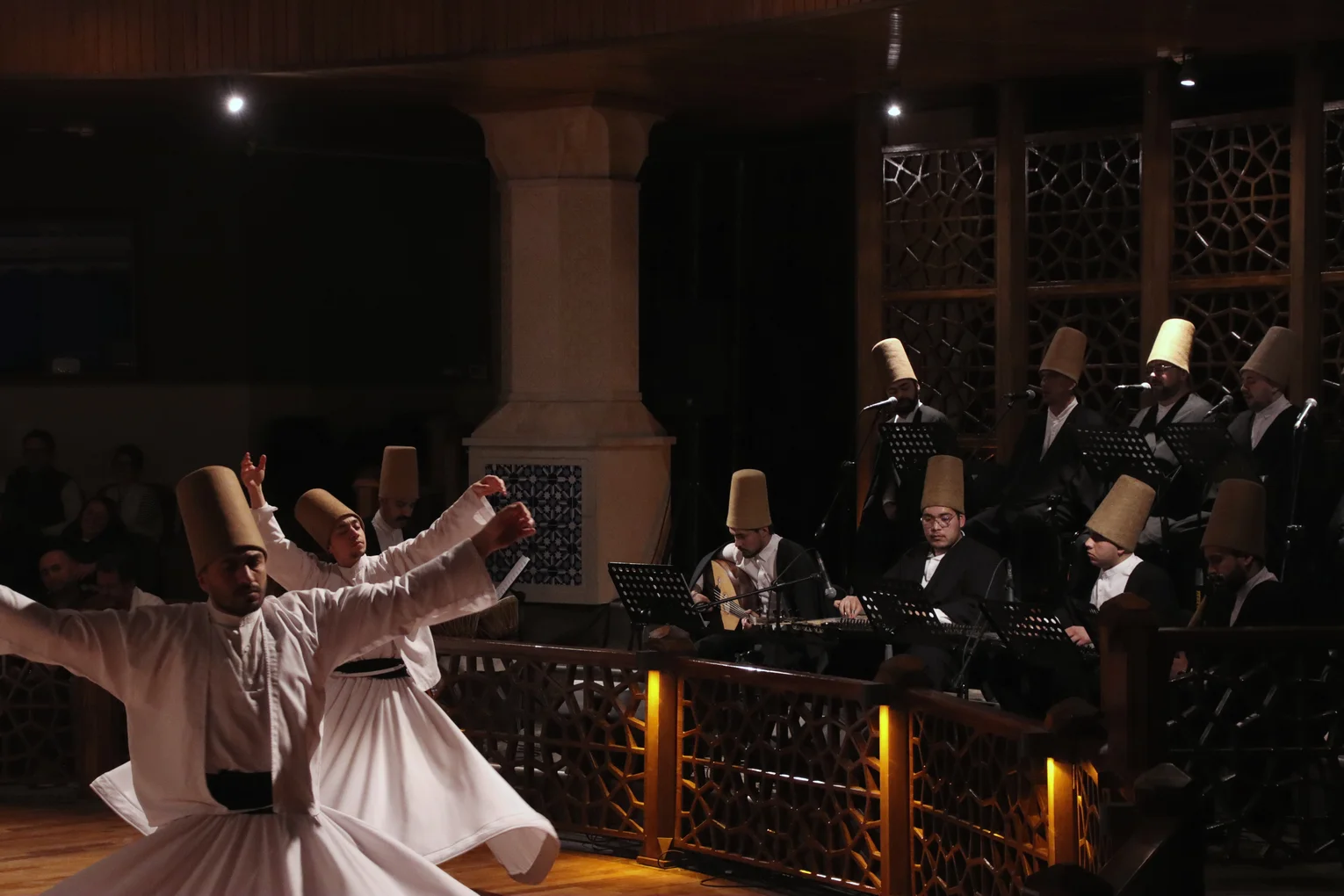
As I’m want to do, I will reference the 17th century Italian traveler Pietro della Valle, who claimed upon his visit to Istanbul in 1618 that whirling dervishes were nothing but swindlers and drunks. Be that as it might have, the order which Rumi founded, and which his son Walad ordered and cemented, remains undisturbed from the days of Genghis Khan, and the semah ceremony, where an elder sheik leads a troupe of dervishes to spin and find god to the music of Turkish instruments, is also supposed to have been preserved as-is. At his tomb, I met Nesibe, a local woman who spent 13 years in Saudi Arabia studying Sunni Islam. She was a volunteer, helping answer visitors’ questions about Islam, Sufism, and the Mevlevi order. Mevlevi comes from a sobriquet of Rumi that became more common even than Rumi in his adopted homeland, Mevlana. This Nesibe explained, and then added a funny detail about how people who visit the tomb, such as Iranians, Tajiks, and presumably Afghanis were they able to travel more, often try to claim Rumi as their own because he was born in Tajikistan on the border of Afghanistan where his father lived and worked, or because he wrote in Persian. Additionally, the area of Konya was ruled by a Seljuk sultan under command of the Persians, and so in Iran he is considered a Persian subject.
This is something that Asians love to do. British writer Colin Thubron wrote in his book The Lost Heart of Asia that as each of the Central Asian republics gained independence, they began scrounging the history books for anyone to have ever lived or worked in their territories or spoke their language and elevated them to national hero status—put ’em right on the money and the stamps—in order to build a national consciousness, even if the person themselves had no connection or affiliation to a modern geographical boundary or even the ethnic group inhabiting it. I saw this in Uzbekistan where the great steppe conqueror Timur, a Mongoloid figure of mixed parentage, is adopted as the national icon of the Uzbeks, a tribe of Turks who came from north of the Aral sea and arrived after the Timurid empire had fallen into infighting two generations after the eponymous despot’s death.
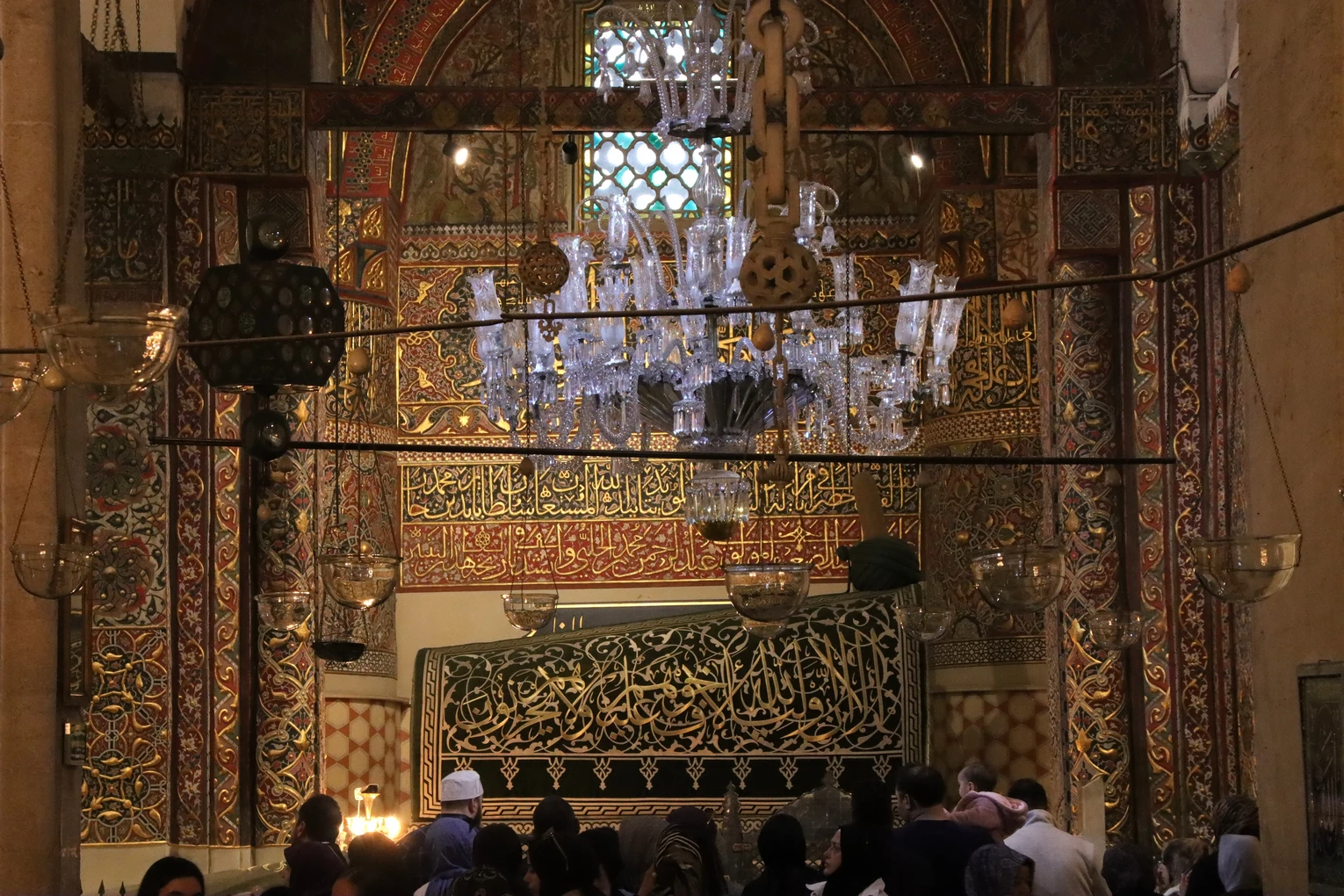
And so the Turks have claimed Mevlana, despite his eastern origin, as did all of the West when they fell in love with his poetry. So there I was, in front of the large sarcophagus draped with an embroidered silk cloth where the great man lay, surrounded by Muslim devotees quaking in their prayers, and realizing that I too, had a claim to the poetissima. Years ago, at a moment of difficulty in my marriage, a psychologist who I was not seeing recited a Rumi poem: “Out past wrong view and right view, there is a field: I’ll meet you there”.
This helped me in no small way to put a recurring challenge of our life together behind me, and to decide I wasn’t going to allow it to bother me any more. The result was that there before the sarcophagus and the devotees, I too began to become somewhat overcome with emotion. The man from thousands of miles and an ocean away was ocean-eyed with the faithful from the Muslim world at the sight of their hero, all of us claiming him for ourselves for our own small reason.
All photos by Andrew Corbley ©