 0
0
 0
0

Turkiye is a rare country: one of (arguably) only 4 that escaped colonization by the Great Powers during the 18th, 19th, and 20th centuries. To a certain extent this is because their endemic empire was itself a colonizer, but dubbed “the Sick Man of Europe” she could have faced a fate very similar to Mughal India or Qajar Iran if the Europeans hadn’t gotten all wound up with slaughtering each other in the trenches in France. The Ottomans were 600 years deep when the war knocked them out, as it knocked out so many crown heads of Europe, and this led Turkiye down one of the 20th century’s most interesting development paths. It was captured in an absurdist tragicomic novel I finished in advance of my trip: The Time Regulation Institute by Ahmet Tanpinar. In it, the rush towards Western-emulation and scrounging for modernization wherever it could be grasped was parodied by Tanpinar so well, it was described as arguably the greatest 20th century Turkish novel.
Knowing none of this history, the book struck me as an enjoyable tale about the folly of the bureaucratic state, with unforgettable characters, and certain passages that would suite Gilliam’s Brazil just as well. That curious development path, born of the war history discussed by me, and parodied in the novel of Tanpinar’s has created a very interesting country indeed. Described as a crossroads, it has fingers in many different baklavas: one in NATO and Europe, another in the Middle and Near East, and a third in pan-Asian concerns across a sphere of Turkic-speaking countries reaching across the continent to China. It has a finger in the pie of Islam, and another in modernity. For strategic policy analysts, Turkiye presents as one of the great anomalies of power bloc politics and security affairs in the Middle East, the Gulf, and beyond.
I therefore expected to find a country not altogether as straightforward as some others I’ve visited, where every inch of notoriety is garnered from an attachment to medieval or ancient history. Anyone looking to cross Turkiye will understand that the land is lousy with monuments and ruins, with it not uncommon for large and prominent cities to have changed ownership 5, 6, even 9 times over the last 5,000 years of history. Yet even still, and even before Ataturk’s time, the country hasn’t been one to stand still. The Ottomans were exceptional innovators; of cannon and muskets, piston-driven dewatering pumps, astronomical instruments, clocks and watches, Damascus steel, and they contributed much to the study in the Islamic world of geography, astronomy, and medicine including dentistry. By the late 19th century, the empire had begun even to industrialize.
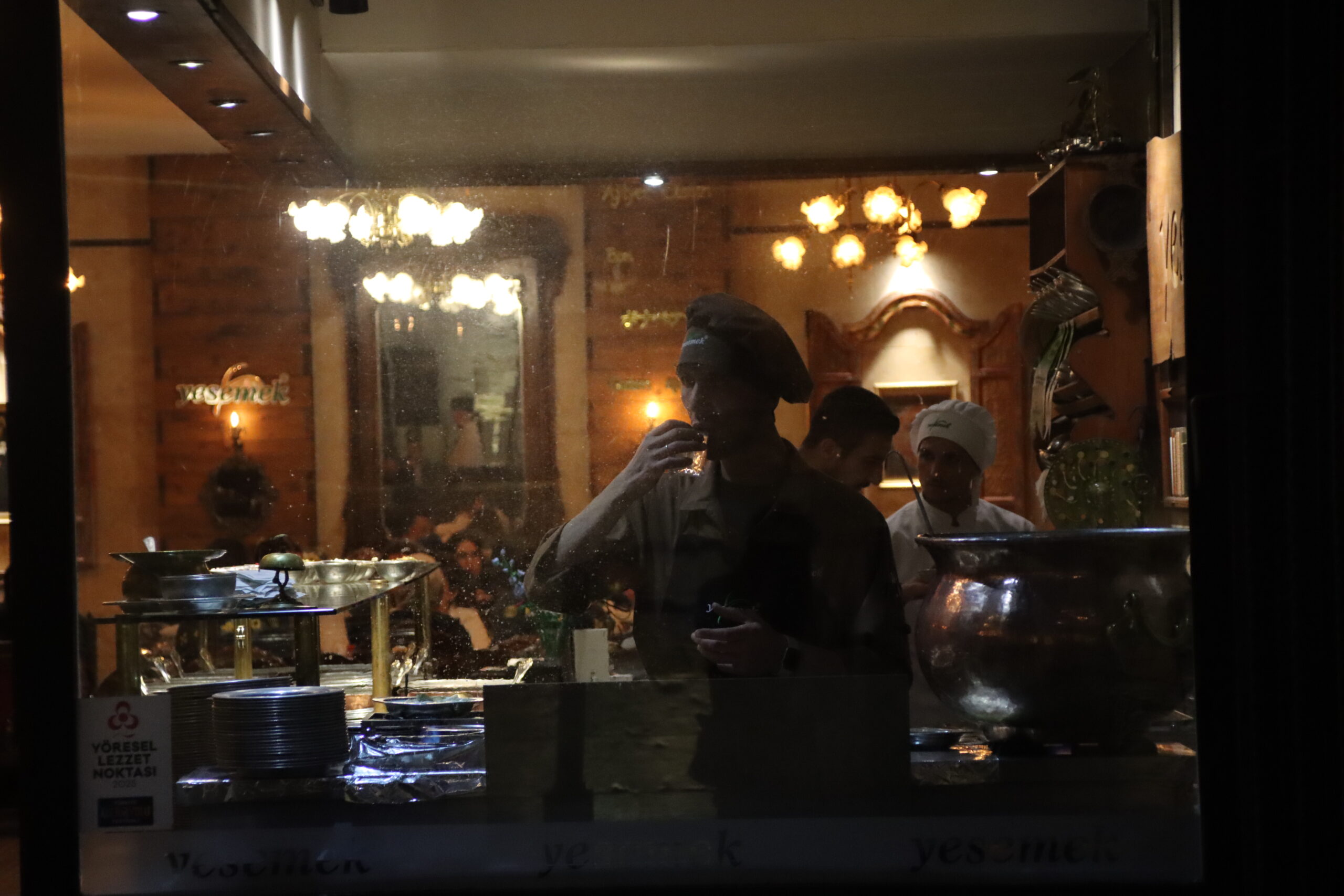
These are all the kinds of things that, for whatever reason, I brush up on before I visit a place, rather than travel guides. Yet it’s hard to lift one’s head out from below the mound of pleasures Turkiye and its people quickly bury you under enough even to consider any of them, let alone all of them. I’ve gotten but little of the grave dust of the past on my shoes, and my greatest connection with the legacy of Osman I has been through the food preparations they left behind for me to engorge on.
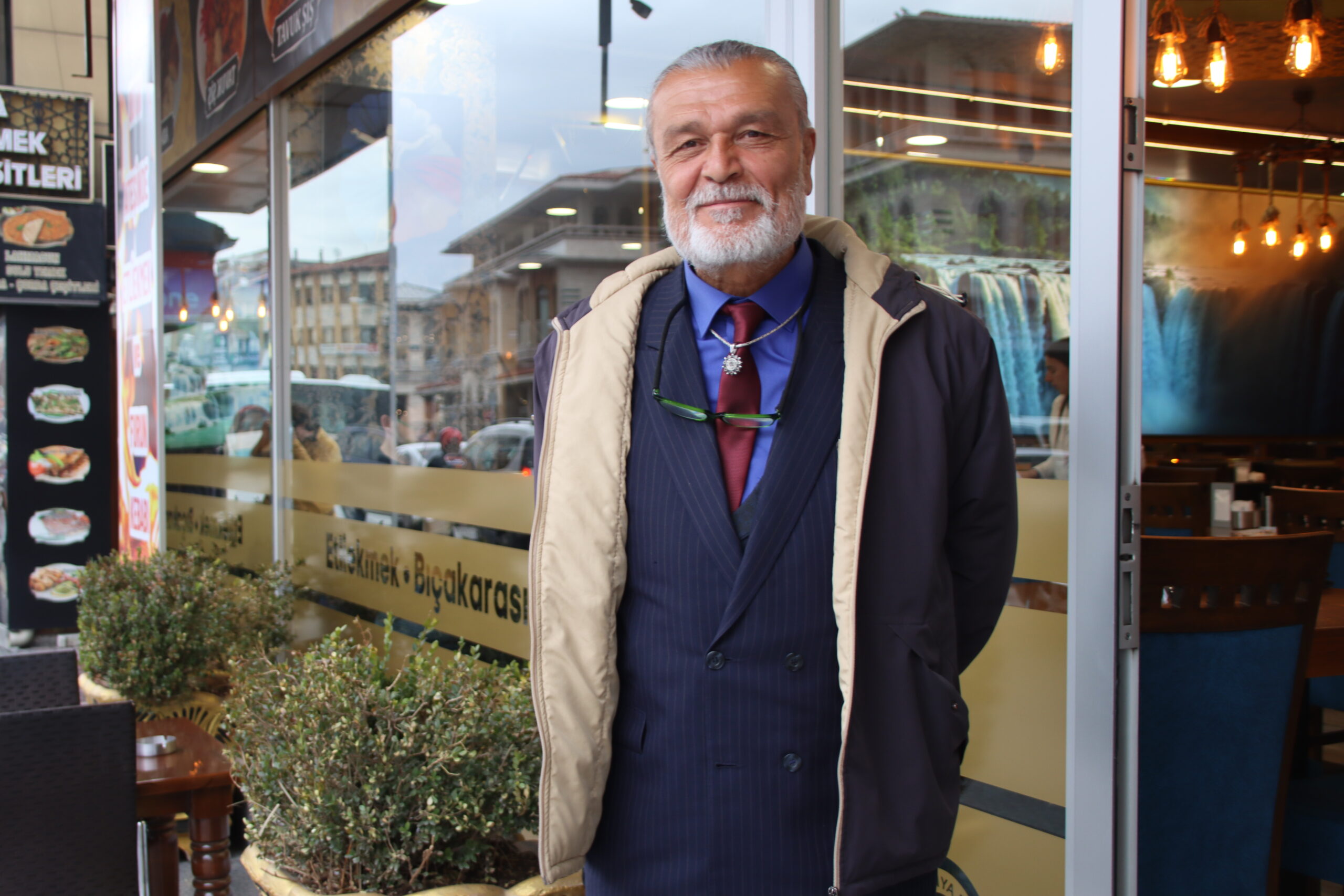
I’ve long suspected the Turks might be the nicest people on Earth, and this trip has largely affirmed that notion which sprouted half a decade ago. They are quick to help, quick to see right and wrong, happy to please, happy you’re pleased, and happy you’re here. They like their photo taken, they like a good aesthetic. They’re diverse; I mean physically. I’ve seen gingers and Hunnic-looking people and every facial feature moving eastward to those of the Arab. Many are not unhandsome. Their food is fantastic, their oriental mystique not overbearing (no one’s chasing you down the street asking if you want a tour of the dyeing pits), and the society seems to work well. Even their ATMs seem more generous than those of other races, as one, from the institution known as Turkish Finans, charged me neither a conversion fee, nor a non-customer fee. They seem happy to talk political shop, and eager to remind me they mean no offence by doing so.
It’s not the West, but something here feels like in 40 years it could be the West, only one where everybody is nice and welcoming all the time. We’ll see if some Barbary corsair changes my mind in the coming days, but if the hotel staff in a city 250 kilometers away currently busying themselves looking for an item I left behind is any indication, I strongly believe I have nothing to fear. WaL