 0
0
 0
0

Gaziantep (Antep for locals) has earned a reputation as Turkiye’s food capital of sorts, and while others will disagree, there are indeed many culinary treasures to enjoy there. Without an overwhelming number of traditional tourist sites to visit, anyone could do far worse than plugging in an extra day just for the food.
A great food city isn’t just moms and dads who carry on traditional recipes or the chefs who innovate beyond them, it’s a great food crowd; a public that appreciates good food and knows where to find it. It’s easy to tell that Antep rejoices in the attention it deserves, and front and center of that are the restaurant goers who insist on eating well.
That said, Antep isn’t like Seoul or Austin, you’ve got to know where to look, and sometimes it’s not even obvious where to begin. It’s as if the city itself doesn’t know of its reputation for food. Restaurants are not often grouped together, and may require a long walk down confusing streets to find them. It’s better to pick your restaurants out on the internet before you hit the pavement.
Across the world, one associates kebab with fast food and sandwiches; with döner and wraps with a side of fries. In Turkiye, kebab is a whole family of meaty preparations, and nowhere is that more encapsulated than in Gaziantep, where several kebab recipes are renowned for both flavor and depth.
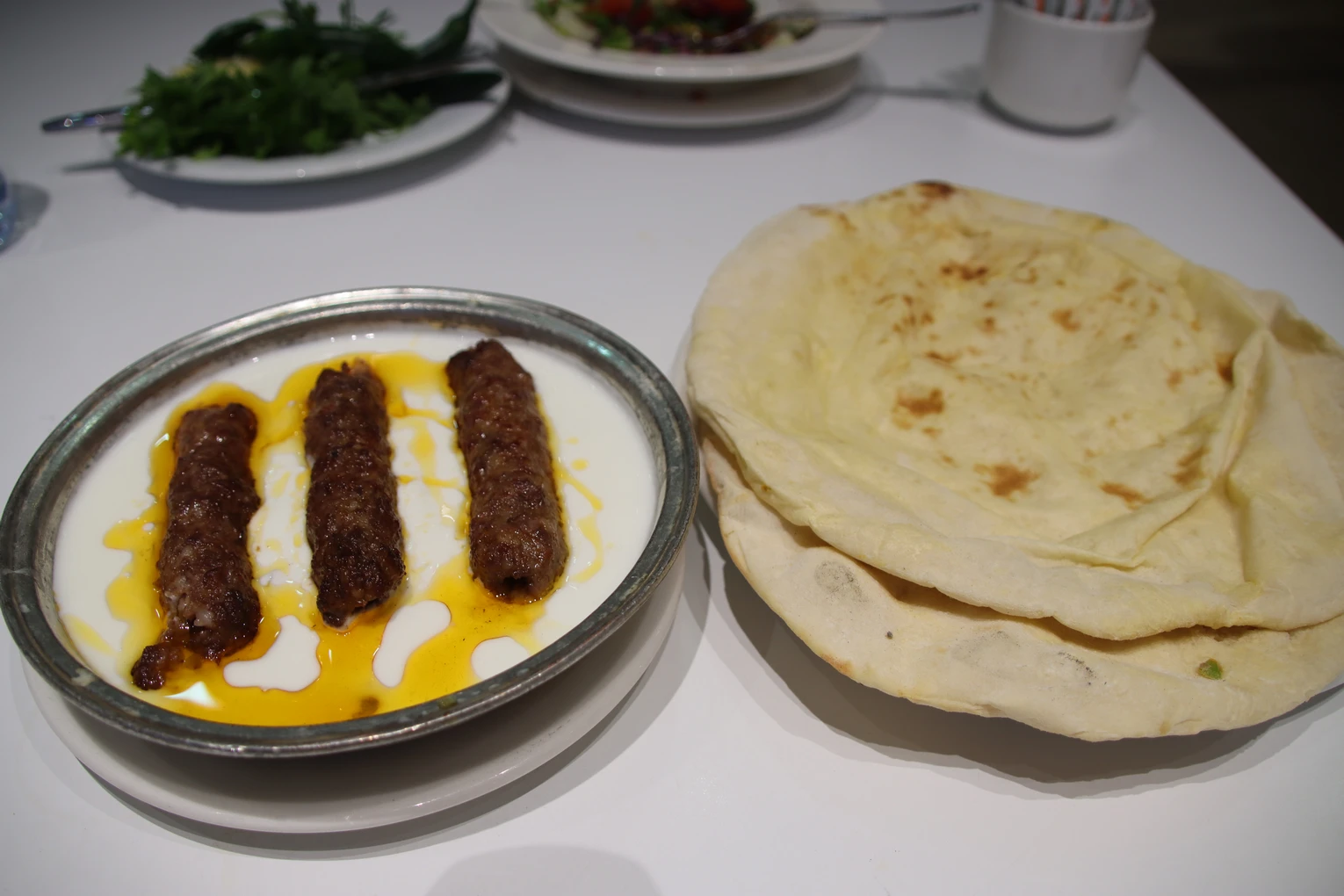
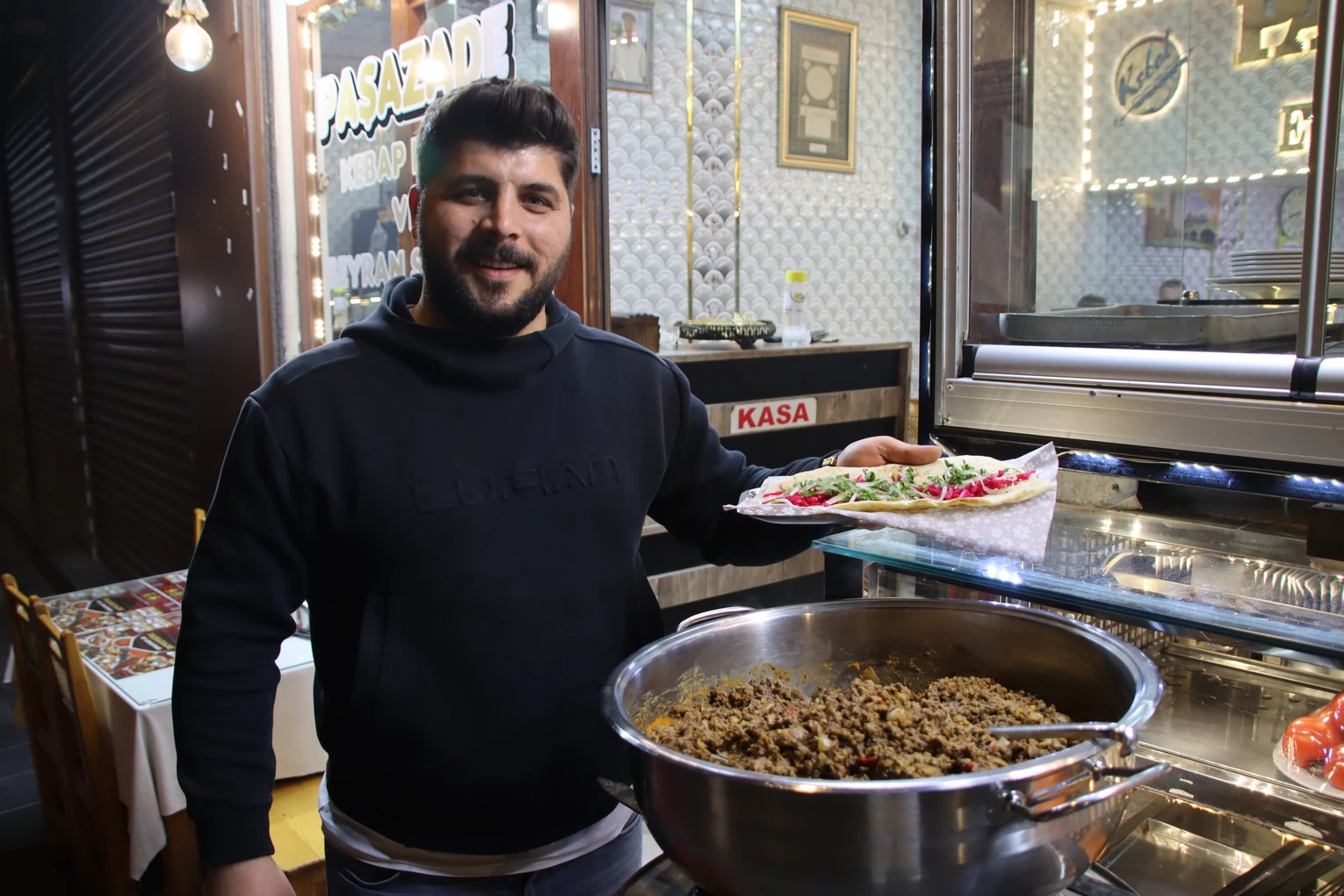
Ali Nizrak Kebab (spelled locally as Alinizrak Kebap) is a perfect example. These long, thin mutton tenderloins are skewered and grilled before being set adrift in a sea of sheep’s milk yogurt poured atop a bed of vegetables cooked for so long they remain onions in name only. Also typical of the region is the Patlıcan kebab of lamb and eggplant. Near the city center you can find restaurants cooking their Hourma low and slow outside the front of their shops; the smell is lethally enticing, but remember to put salt on it.
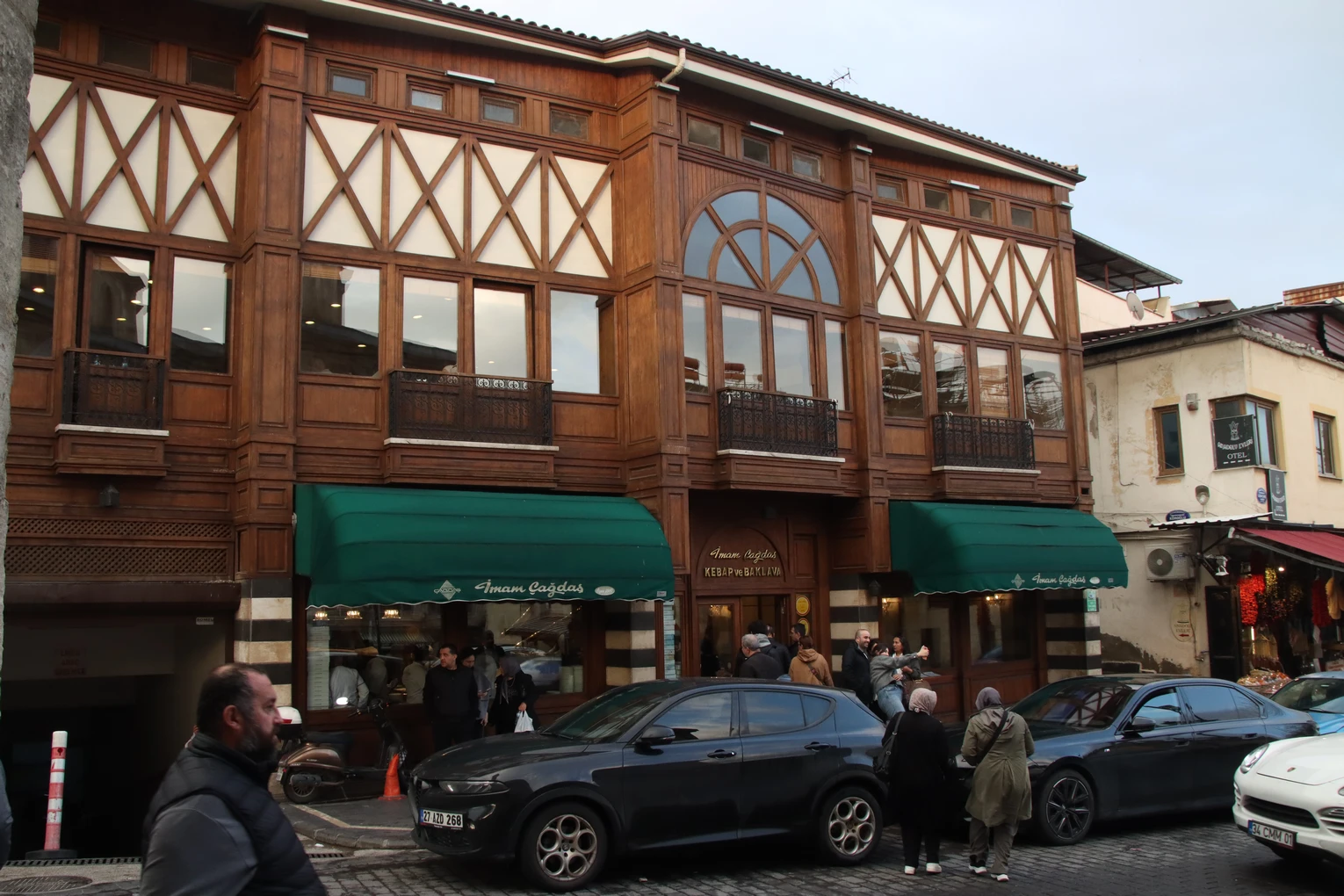
İmam Çağdaş Kebab and Baklava claims to have been open since the late 19th century, and from the helter skelter of the dinner rush, one immediately divines it’s a local institution. Their menu is very simple, there’s one with several preparations of kebab, and another with baklava. You order one, and then the other (more on baklava later).
“There are 679 dishes local to Gaziantep,” said Mustapha, the owner of a swanky mixed-menu restaurant called Hisfahan across the street from the castle, located in a 17th century caravansary. “Though everything is very seasonal, like now we have aubergine kebab, in winter we have garlic kebab”.
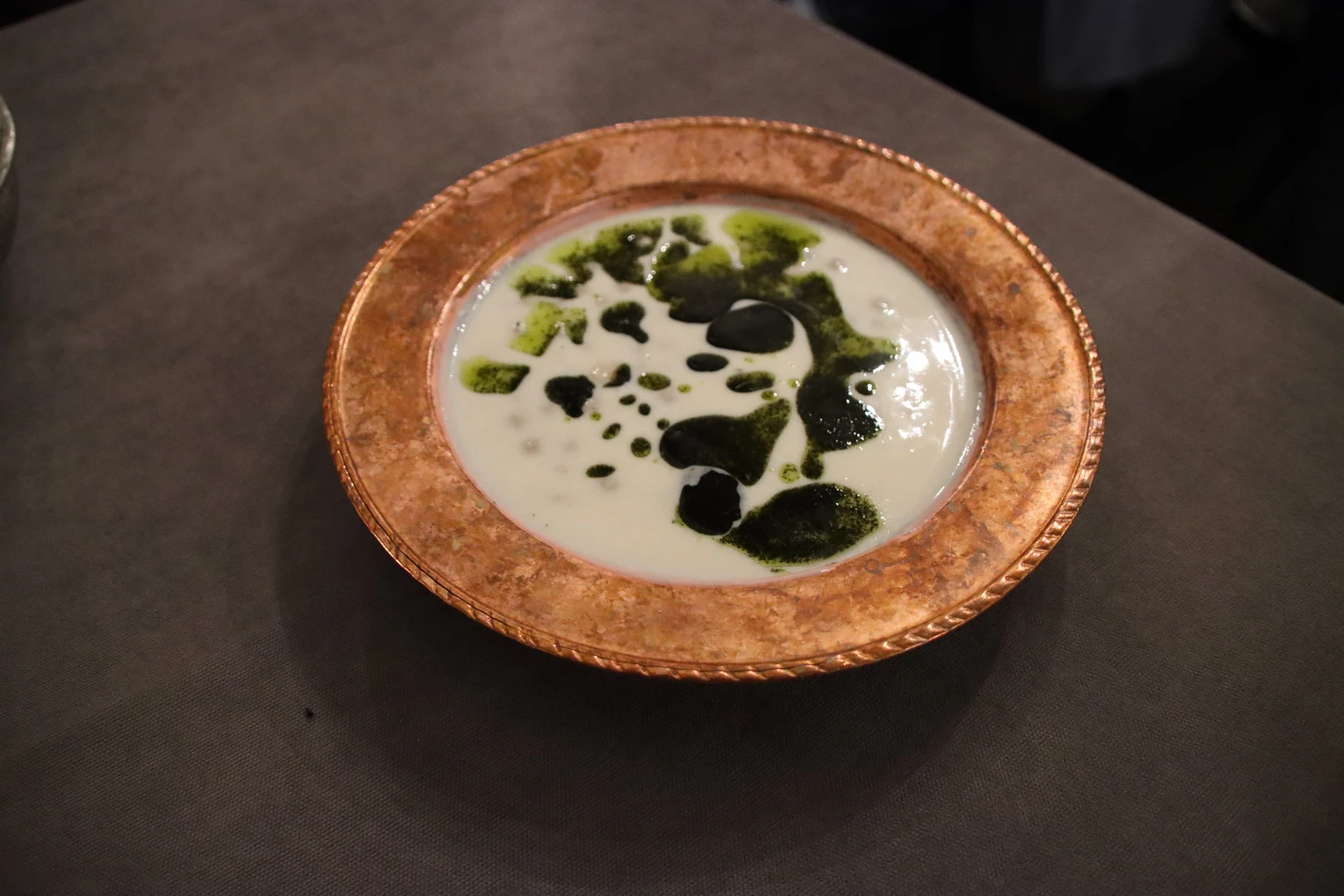
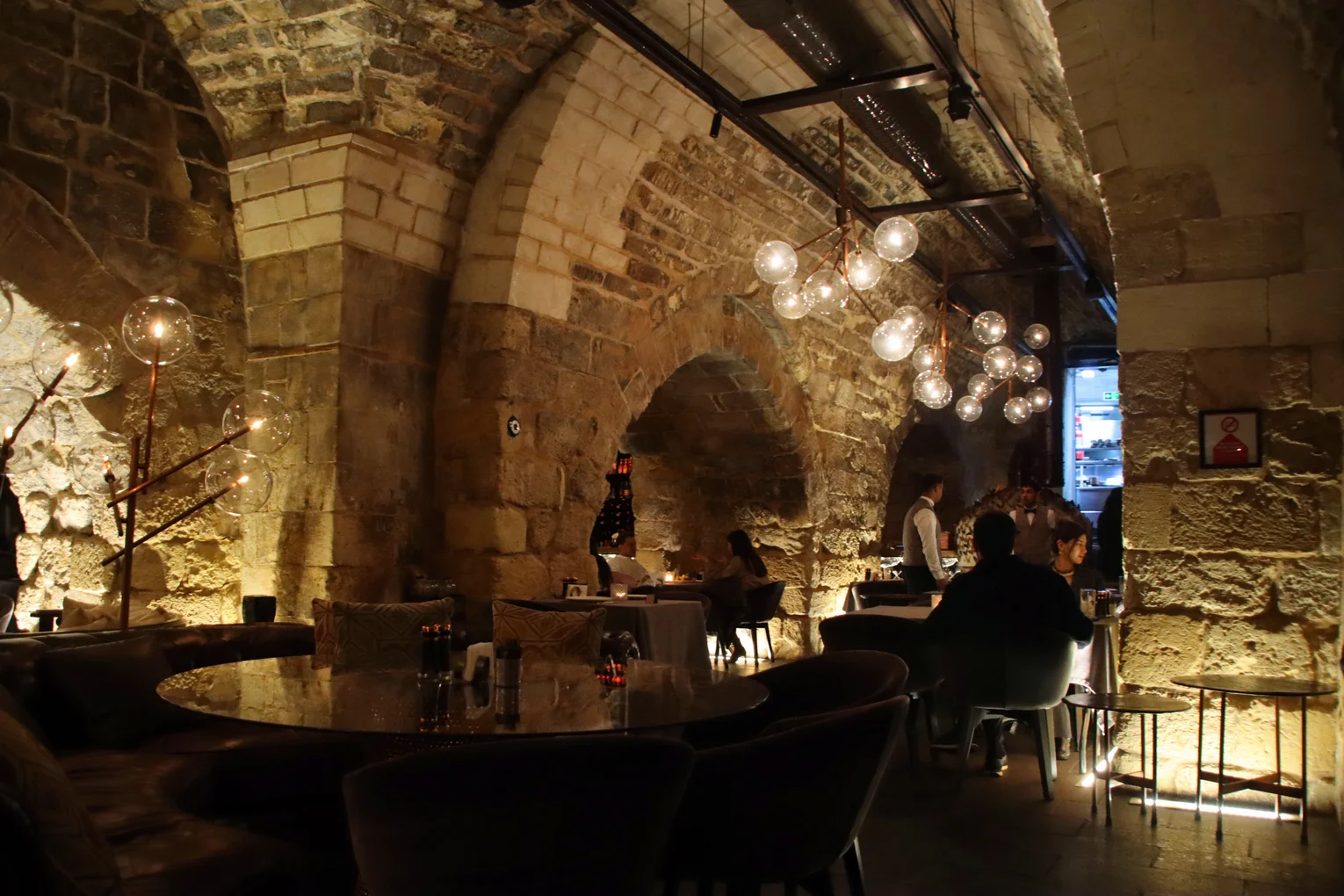
Born and buttered in Antep, Mustapha was opening a new soup restaurant when WaL visited his establishment, where guests eat under vaulted ceilings of large white stone blocks where the camels used to be stabled on the caravan’s way south to Syria or west to Istanbul.
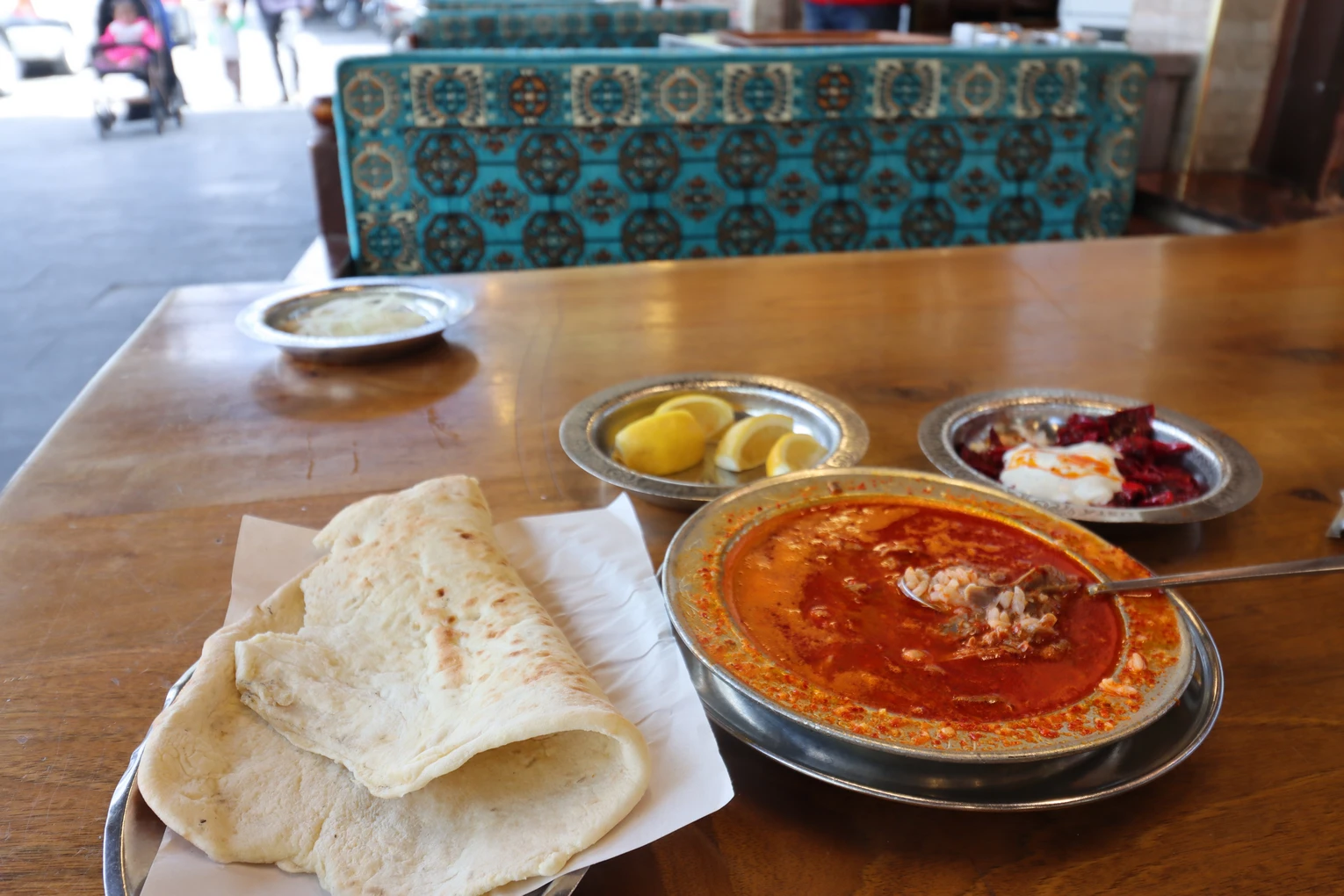
Beyond kebab, rice or bulger wheat is rolled into small balls and served as either Yuvlama (rice), or Anzi Kisli (bulger), in a sauce of yoghurt, mint, and heavily drizzled in olive oil in the case of the former, and tomato, in the latter. Several kinds of Chorba (soup) are also typical of Antep, none moreso than Beyran, a spicy lamb soup eaten for breakfast. If that’s a little intense for breakfast, or dinner for that matter, Chorba is a mellow yellow dal-like soup sure to please.
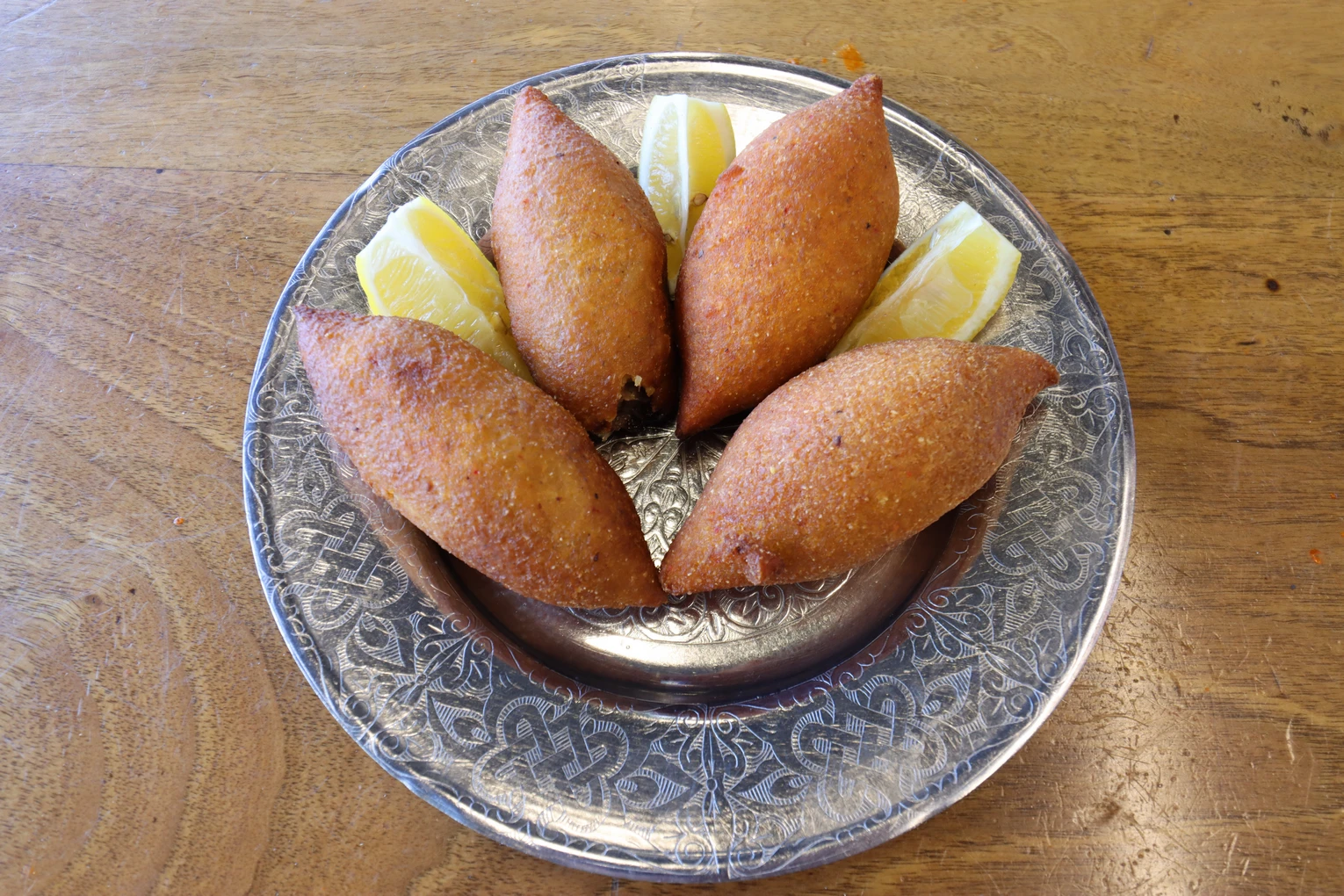
Içilköfte are fried lightbulb-shaped bundles of hearty stewed lamb and are an excellent starter. If the amount lamb is beginning to alarm you, you should look for the word “Tovuk” which means chicken. There’s also a very high chance that some of the lamb you’ll eat is not lamb, but mutton. But that’s fine, it’s more ethical anyway.
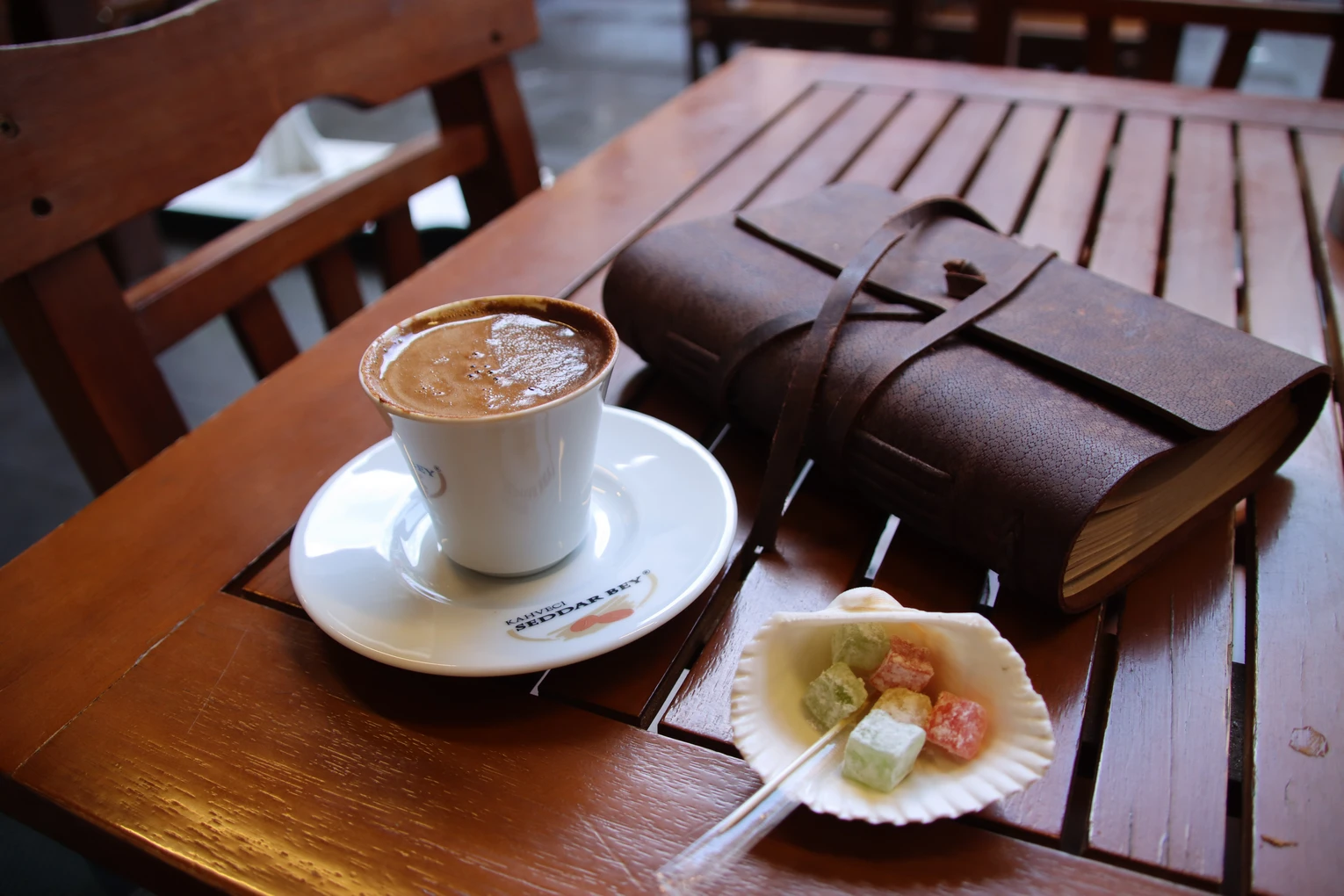
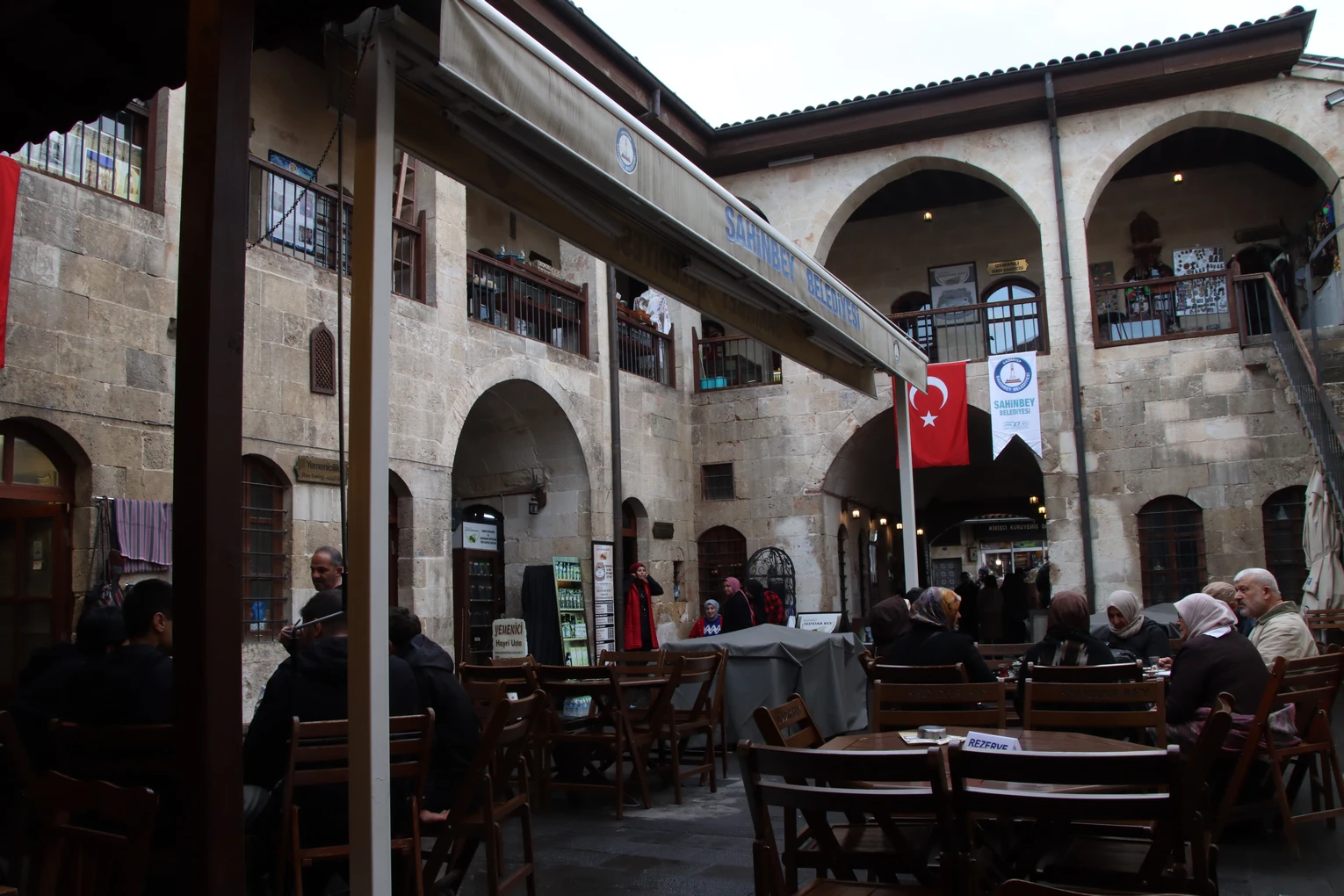
Turkish coffee is an acquired taste, but if it’s one that pleases then consider another historic institution: Kahveci Seddar Bey. Here, baristas prepare Turkish coffee in a way rarely found even in Turkiye. Perhaps nowhere else in the country, in fact, can you find a coffee shop where the beans are ground in such a way: in a granite pestle with a stone. Located in the old Ottoman customs house from 1873,
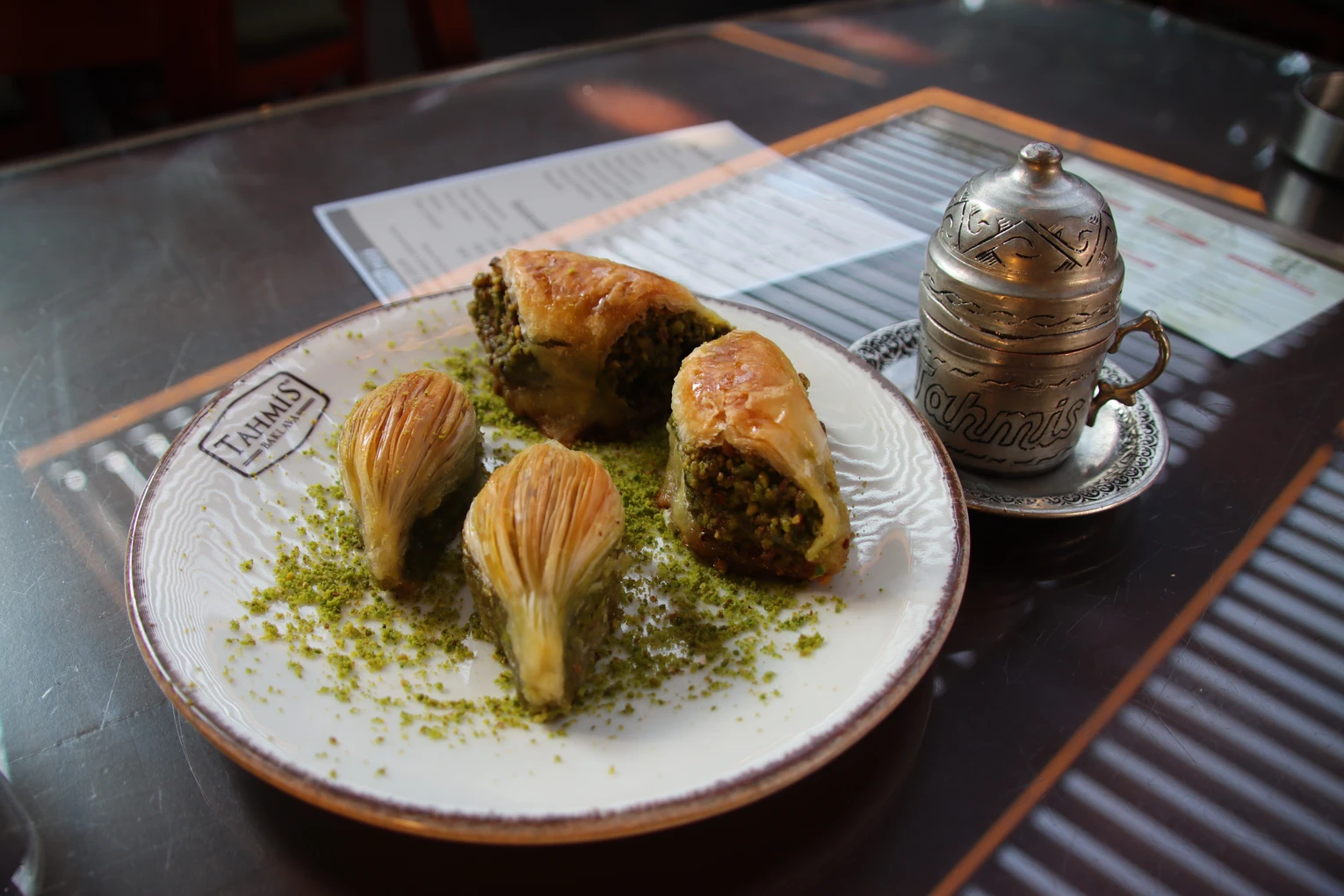
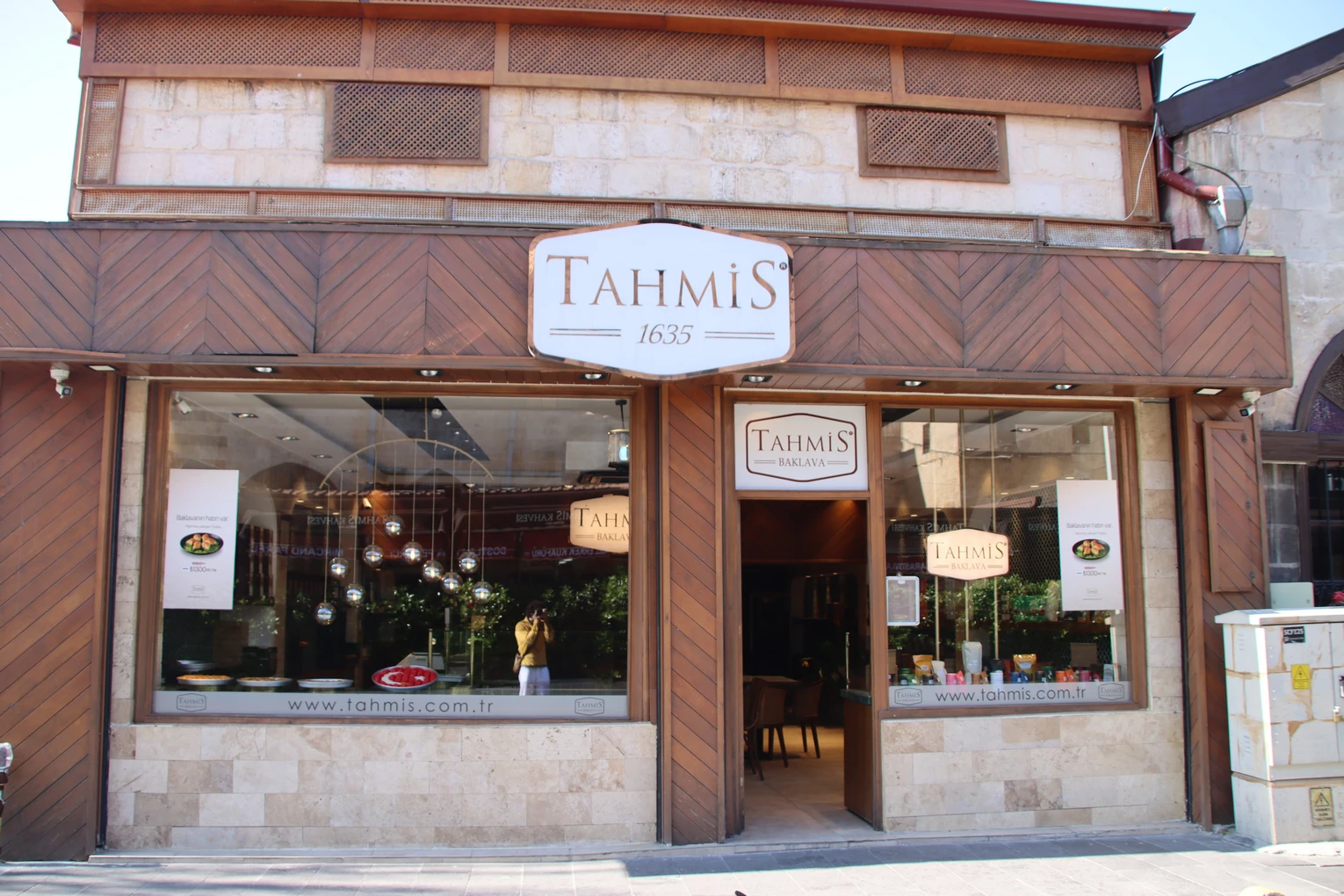
Tahmis Kahvesi (coffee shop) located in the bazaar, claims to have begun their work in the 1600s. Whether or not that’s true, it’s an internationally-recognized baklava producer that boasts three locations all next to each other. Ask for a Fisteki baklava, or “pistachio baklava”. Obviously most baklava, and all of it in Antep, is made from pistachio, but it refers to the all-green kind made almost entirely with pistachio, a more delicate, less sweet, practically floral desert you’ll not soon forget.
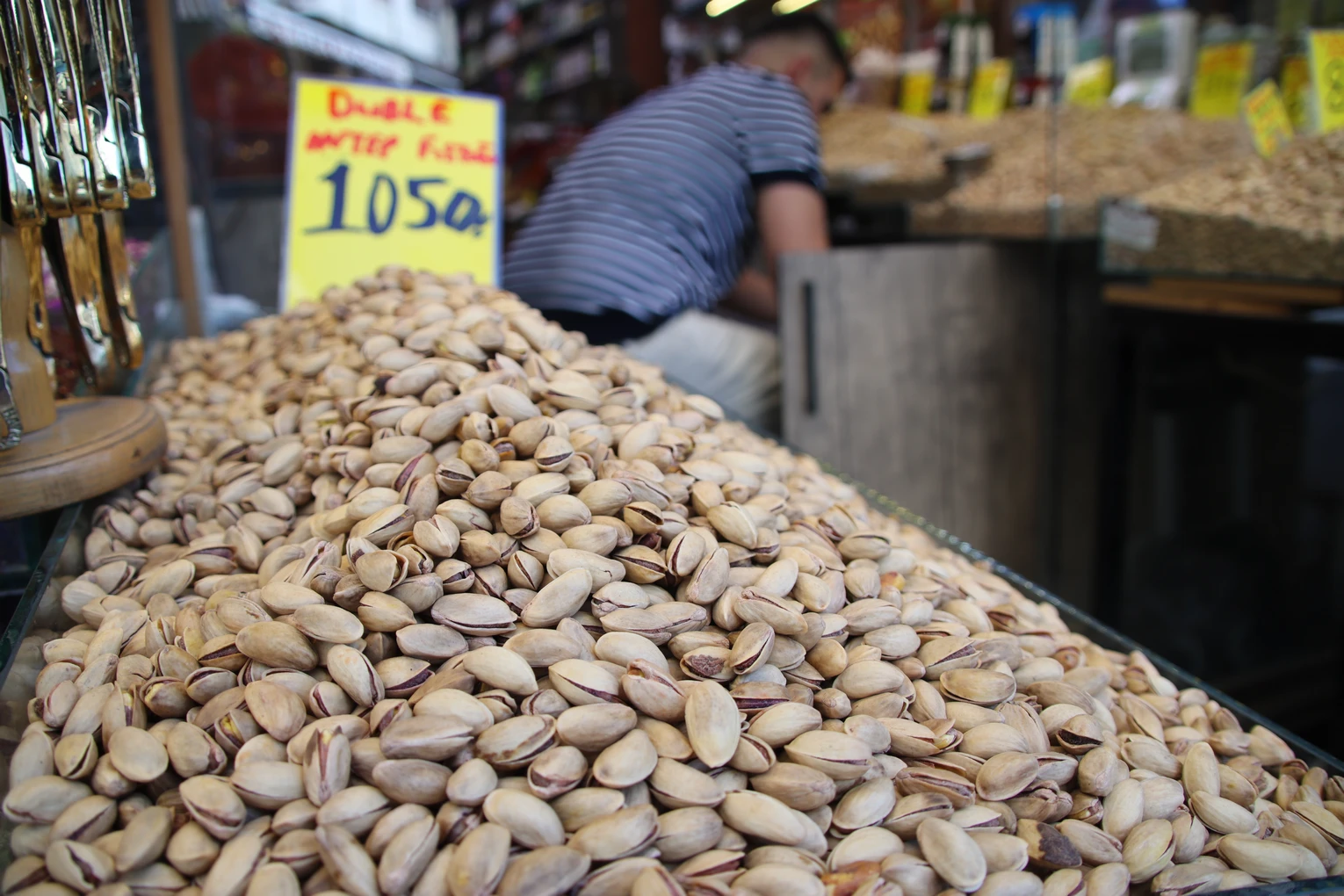
If you’re in Antep, you could do worse than stop at a Pendirhan, the name for the stores overflowing with spices, nuts, teas, and dried fruit, and just getting 300 grams of pistachios to eat. A domineering amount of the world’s pistachios come from Antep and Sanliurfa further east, and there’s nothing more local you could hope to eat. Throw in some dates, and you’ve got a real caravaniers lunch. WaL
We Humbly Ask For Your Support—Follow the link here to see all the ways, monetary and non-monetary.
PICTURED ABOVE: Hourma served street side. Andrew Corbley ©