 0
0
 0
0

The possibility of a peace deal has emerged in the escalating conflict between the United States and Iran, with both sides reviewing a two-phase peace proposal that could bring a temporary ceasefire within days and a broader agreement within weeks. Despite signs of progress, deep divisions remain, particularly over control of the strategically vital Strait of Hormuz.
According to sources familiar with the negotiations, the proposed framework begins with an immediate cessation of hostilities, followed by talks aimed at securing a comprehensive deal within 15 to 20 days. But Tehran has already rejected one of Washington’s key conditions: the immediate reopening of the Strait, a narrow waterway through which roughly one-fifth of the world’s oil supply normally passes.
The refusal underscores the fragile nature of the talks, even as Donald Trump intensifies pressure. The U.S. president has set a firm deadline of Tuesday evening for an agreement. The president warned that failure to comply could trigger further strikes on Iranian infrastructure. In recent statements, Trump insisted that Iran was “ready to make a deal,” despite repeated denials from Tehran, and claimed that the country’s military and nuclear capabilities had been significantly weakened by ongoing operations.
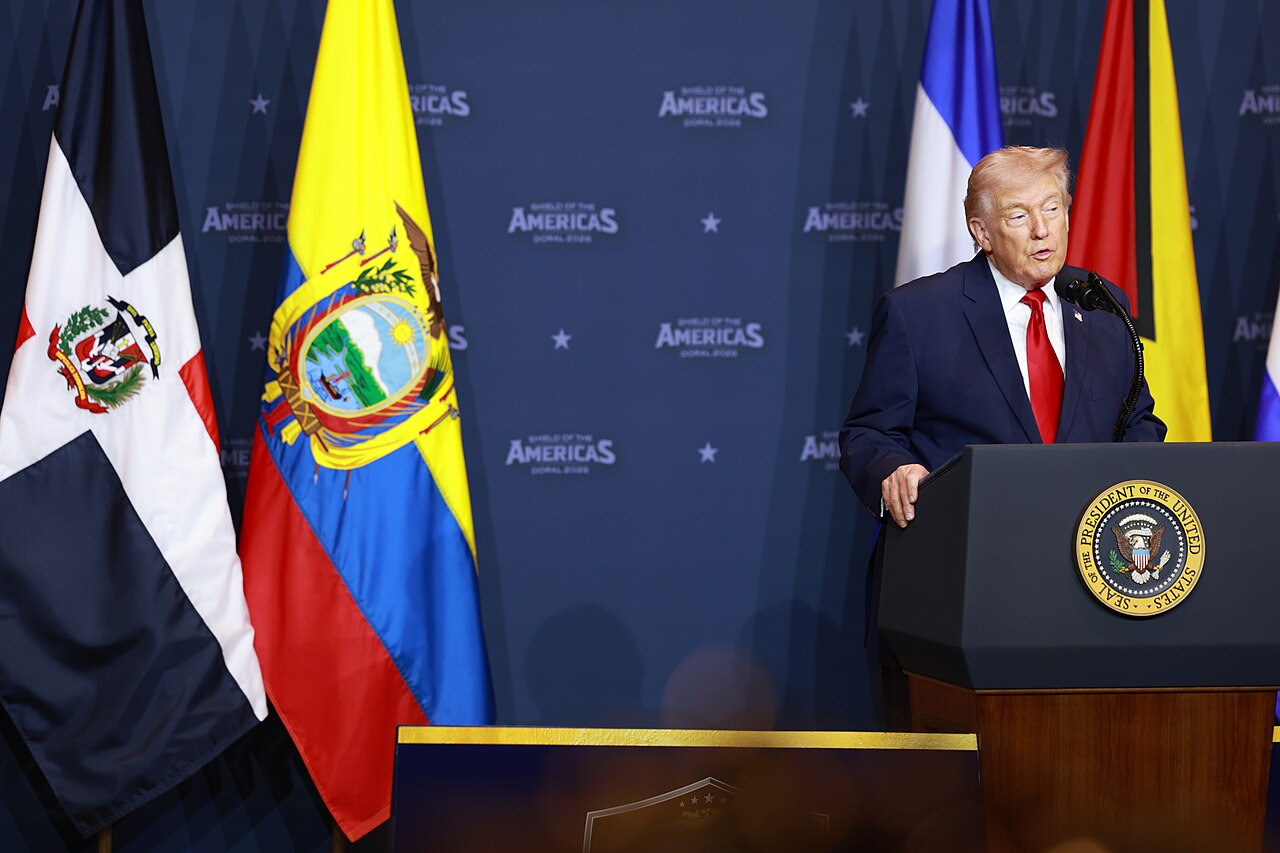
Speaking at a forum in Miami, Trump framed the reopening of the Strait as a central condition for de-escalation. He also hints at broader ambitions, such as potential control over Iranian oil resources. His rhetoric, at times unpredictable, has added to uncertainty surrounding Washington’s long-term strategy, even as negotiations continue behind closed doors.
On the ground, however, the reality remains one of sustained violence. More than five weeks into the conflict, aerial bombardments and retaliatory strikes have left thousands dead and caused widespread damage to energy infrastructure across the Gulf. Iranian forces have responded to U.S. and Israeli attacks by targeting regional oil facilities and military bases, while maintaining their effective closure of the Strait.
The war has also spilled beyond Iran’s borders. In Haifa, rescue teams continue to recover victims from missile strikes and in Lebanon, clashes involving Iran-backed Hezbollah have intensified, marking one of the most severe regional escalations in recent years. Civilians have borne the brunt of the fighting, with casualty figures mounting on all sides, including hundreds of children.
Behind the scenes, regional and international actors are scrambling to prevent further escalation. Asim Munir, a key intermediary, has reportedly held continuous talks with U.S. and Iranian officials, while Gulf states stress that any agreement must guarantee secure passage through the Strait. For energy markets and global trade, the stakes could hardly be higher.
Iranian officials argue that Washington has not demonstrated sufficient commitment to a lasting ceasefire and reject imposed deadlines while insisting on a more comprehensive framework. Meanwhile, U.S. officials remain concerned that Tehran could seek to leverage control of the Strait as a long-term strategic tool, potentially introducing toll systems or restrictions on international shipping.
The diplomatic window, therefore, remains narrow. While the outlines of a deal are beginning to take shape, the gap between immediate de-escalation and a durable peace remains significant. With a deadline looming and hostilities ongoing, the coming days may prove decisive for the stability of the wider Middle East.
For now, the region stands suspended between negotiation and escalation, with the world watching whether diplomacy can outpace the momentum of war. WaL
We Humbly Ask For Your Support—Follow the link here to see all the ways, monetary and non-monetary.
PICTURED ABOVE: US president Donald Trump at a conference in Miami. PC: Isaac Castillo / Presidencia de la República del Ecuador via Wikimedia Commons.