 0
0
 0
0

Canada is blessed with huge deposits of virtually every so-called critical mineral needed for mass production of 21st century technologies.
The country doesn’t, however, operate any of its known tin deposits, a critical technology metal needed for soldering, robotics, EVs, PV solar panels, and batteries. WaL has reported extensively on tin of late, as industry forecasts predicted that 2026 would see tin concentrate supply enter a deficit worldwide for the first time since 2021.
Investors in the commodity sector often look for goods that are predicted to be in short supply in the future, and make investments before prices move up to reflect that supply crunch.
Under the administration of Mark Carney, Canada has taken a step towards streamlining and even assisting the development of mineral properties, particularly of the so-called “critical minerals” which today basically mean all metals, since shortages are predicted (or in effect) for virtually all of them.
Several large, potentially Tier-1 tin assets are known, but are far from production. The Mount Pleasant deposit in New Brunswick had a mineral resource estimate (MRE) in 2014 of 468,000 tonnes of tin measured and indicated, and another 100,000 tonnes inferred. That would make it one of the largest anywhere in the world not already operating.
Bought by Adex Mining in 1995 with the intention of putting the asset into production, no ultimate construction decision was made, and the Adex Mining website stopped updating in 2015.
The East Kemptville Tin-Indium Project in Nova Scotia operated between 1985 and 1992 as a low-grade open pit mine that nevertheless ranked as the largest producing tin mine in North America. But the mill was eventually shuttered and the pit flooded. In 2009, it was bought by Avalon Rare Advanced Materials. In 2018, Avalon completed a Preliminary Economic Assessment (PEA) on the East Kemptville project which predicted CAD$17.5 million per annum from 1,300 tonnes of tin concentrate mined for 19 years in parallel with reducing the site’s environmental liability.
Per-tonne tin price in 2020, when models suggested the project might proceed, were $21,000, or less than half of the current spot price. It’s estimated there’s 325,000 tonnes of tin at East Kemptville, but the last company update on the project was the PEA in 2018.
Where else can the US look?
Though China has placed export controls on a variety of minerals needed for manufacturing weaponry and related high-tech systems, such as molybdenum, indium, tellurium, gallium, germanium, antimony, bismuth, and tungsten, major trading metals like copper and silver are still permitted for export—even to the US.
Tin is also among those permitted to be exported. It’s that China uses so much tin, however, that may leave US firms struggling to find cheap supply. China produces 50% of refined tin, and accounts for 47% of the global demand. If you think of how many cheap electronics China fabricates, and of all the American tech firms whose products are manufactured in China—all of which will need tin solder to attach components to circuit boards—you can understand why the Middle Kingdom consumes so much tin.
Demand is expected to increase by 5% this year, even as domestic production is scheduled to fall by 2%. China’s total tin production has fallen some 28% over the last decade as once-plentiful mines exhaust themselves.
WaL has previously reported that major new tin sources in Morocco and Tasmania have been bought out by China, while one of the world’s largest tin operations—the Man Waw Mining complex in Myanmar—is close to the border with China and sold all previously mined ores to the larger neighbor.
In the US, the Rough & Ready Tin Mine in South Dakota’s Black Hills produced some 100,000 pounds of tin between 1903 and 1927. Lion Rock Resources, which now owns the mine in its Volnoy project, says historic drilling has recovered samples with 65% tin. Most per-tonne tin grades today hover 2 basis points north or south of 0.5%. Lion Rock has, however, only just begun modern exploration drilling, meaning the project is years from any kind of production horizon.
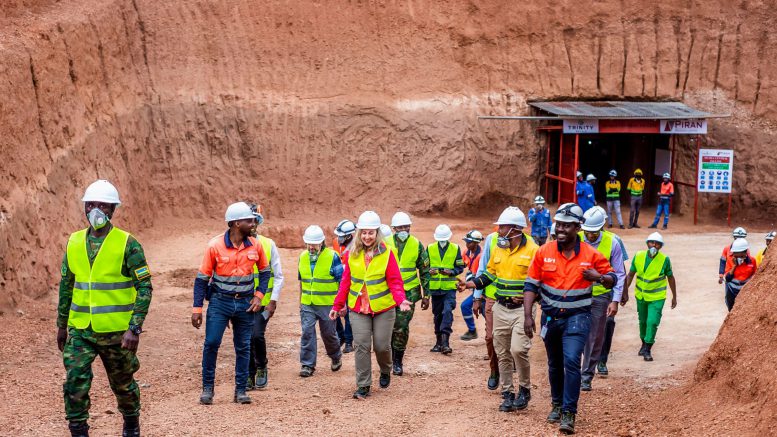
President Donald Trump’s focus on mining and minerals last year included a non-binding letter of intent signed between Rwanda’s Trinity Metals, a small-cap tin producer, and Pennsylvania tin alloy producer Nathan Trotter. The letter signing was overseen by the US Bureau of Energy Resources, which said the agreement would support “onshoring, strengthens our national security, and advances economic prosperity”.
The letter of intent would still have to graduate into some kind of binding offtake agreement, and even then, Trinity’s two producing mines provide only 60-90 tons of tin concentrate in the form of cassiterite per month.
The US hasn’t mined tin, Northern Miner reports, since the 1980s, even though it spent $903 million importing tin from South America last year.
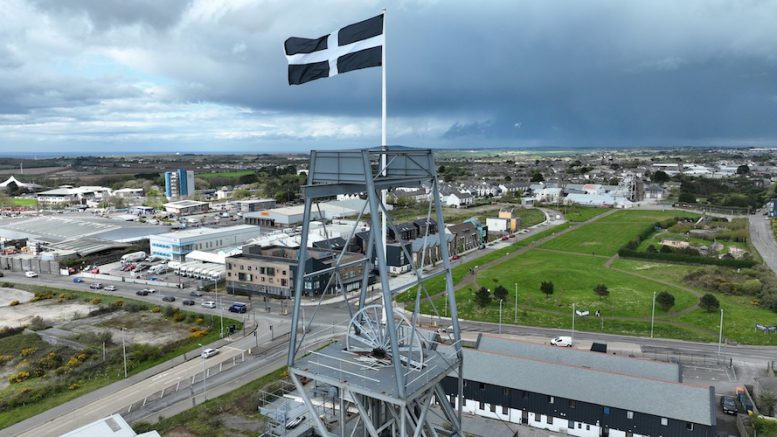
In February, the US Import-Export Bank, the same agency that established the $12-billion Project VAULT funding imitative, expressed “interest” in a $225 million loan to the UK developer Cornish Metals, which aims to restart a British tin mine called South Crofty that’s been idle for decades. Tin was widely mined across England for decades, Cornish Metals is one of two developers aiming to revive this industry (the other being the confusingly-named Cornish Tin).
According to a 2025 study by Cornish Metals, the US loan would cover all the perceived startup capital needed, but would be contingent on the mine providing the US with a “responsible supply” of tin concentrate.
Cornish Metals CEO Don Turvey says the letter is a “testament to the quality and strategic importance of South Crofty” and its “potential to become the first new tin producer in the Western world”.
Dwarfing the potential of Trinity Metals’ operations, nameplate production at the South Crofty project is estimated to be 4,700-5,000 tonnes per year over 14 years. With extensive existing infrastructure, initial capital costs were estimated to be just £180 million.
We Humbly Ask For Your Support—Follow the link here to see all the ways, monetary and non-monetary.
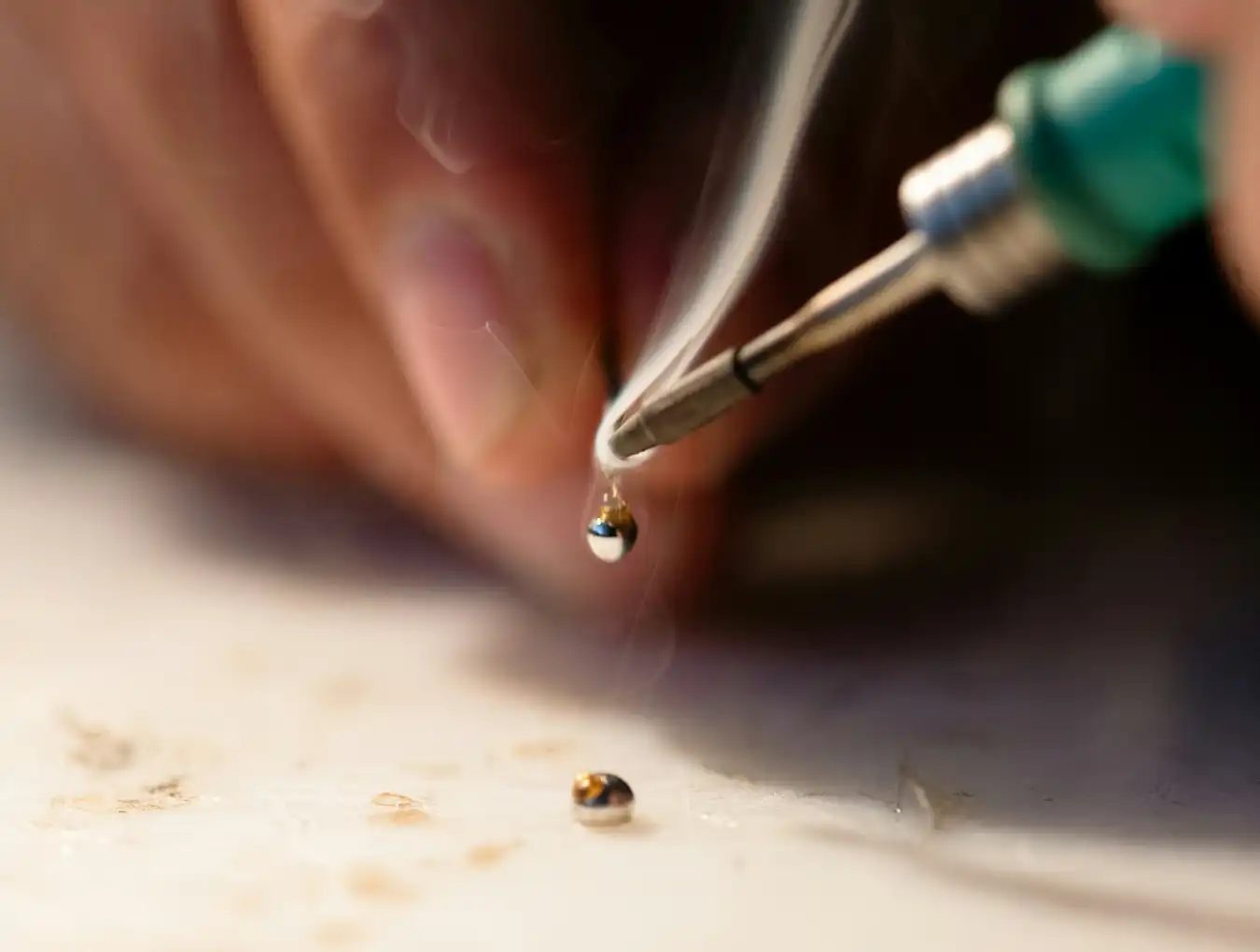
PICTURED ABOVE: 50% of all tin concentrate is used in soldering. PC: This Is Engineering via Unsplash.