 0
0
 0
0

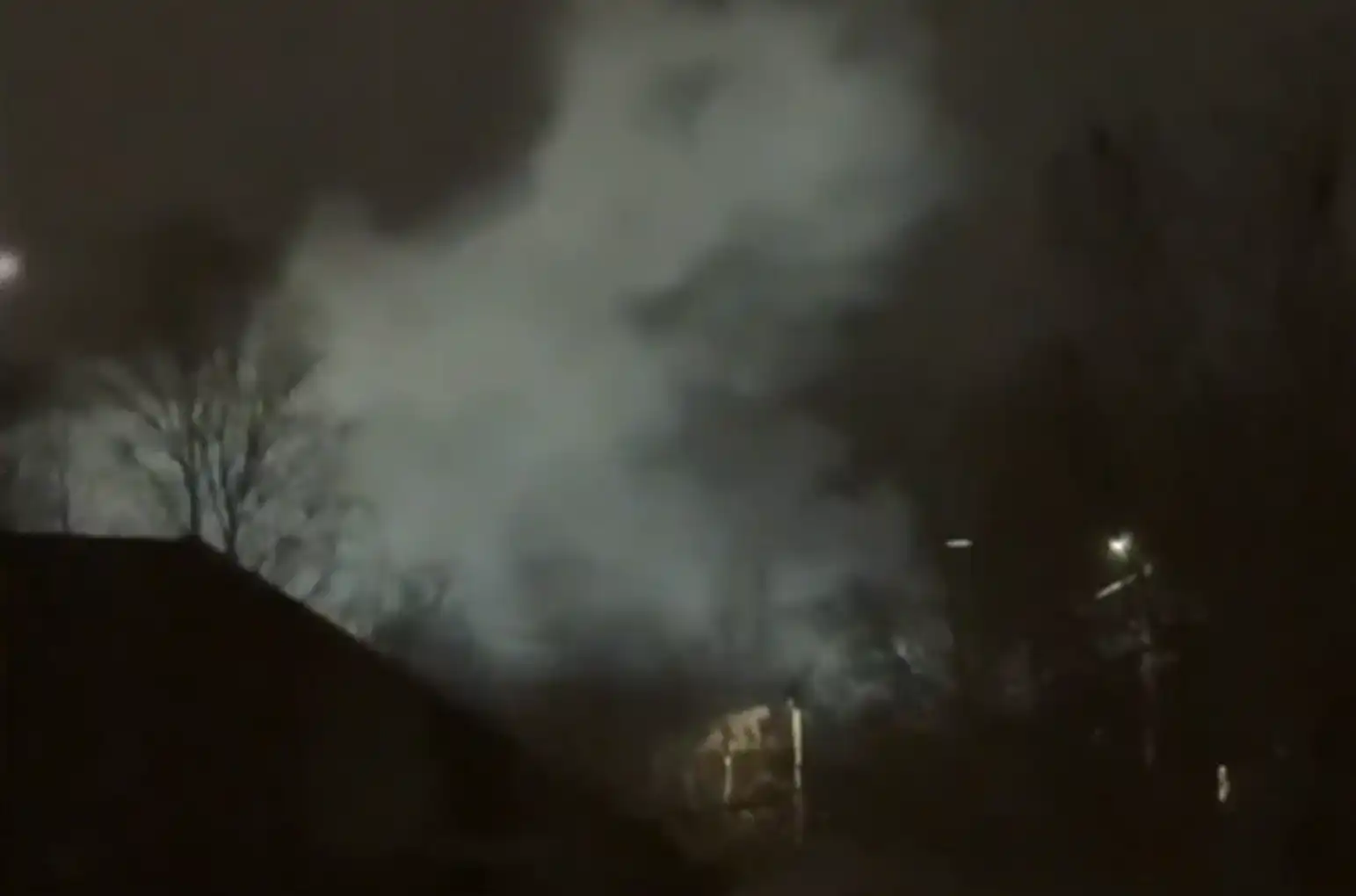
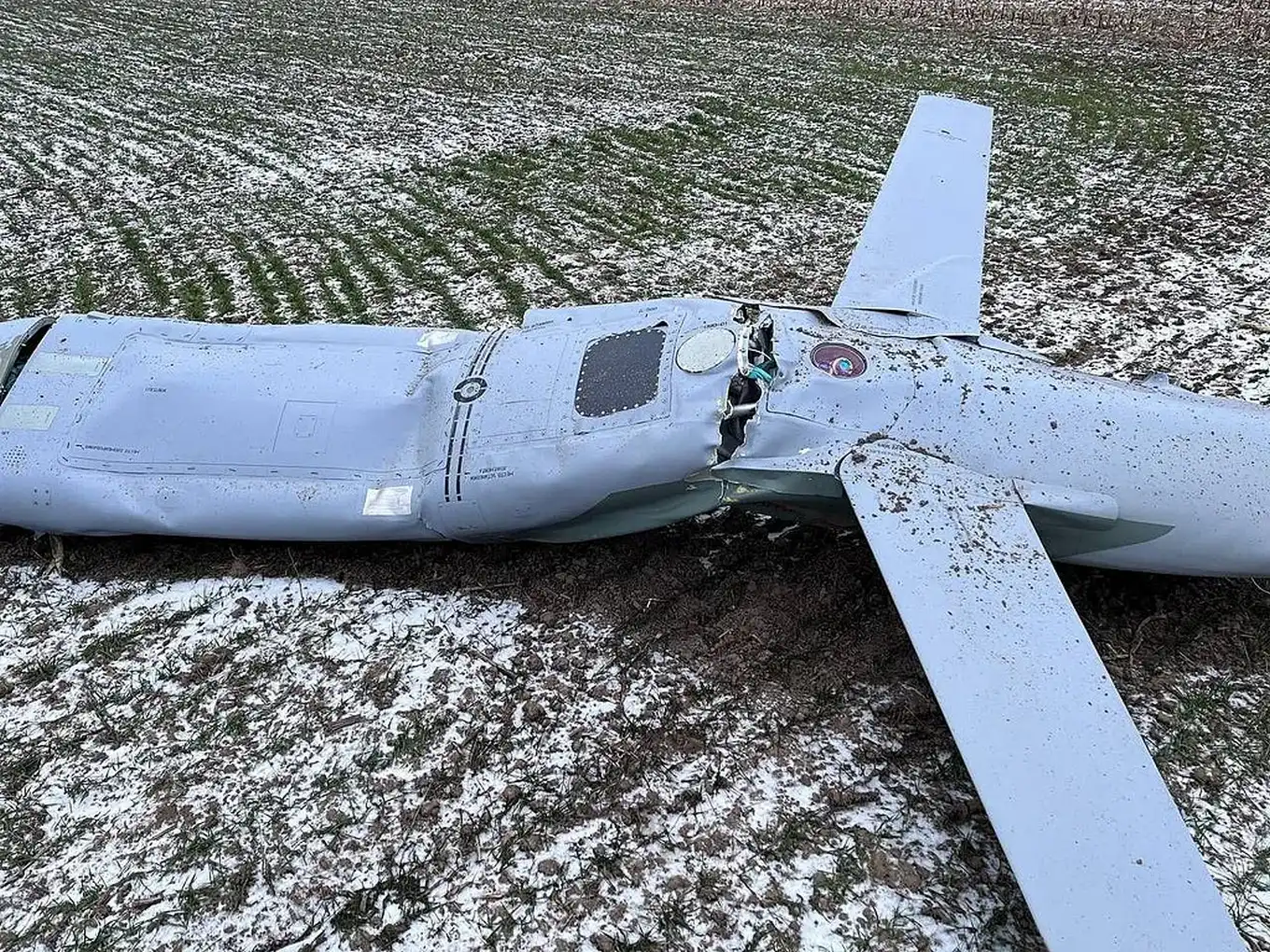
Multiple reports say that Russia’s spring offensive in eastern Ukraine has just started, following some 948 drones fired across a dozen cities in the country in one of the largest air attacks in the war that just entered its 49th month.
The rare, daytime attack hit targets as far from the front lines as L’viv and Ivano-Frankivsk, near the Carpathian provinces along the western border with Romania.
Ukrainian President Volodymyr Zelenskyy put out an appeal for aid, reminding foreign backers in Europe and North America of prior commitments.
“It’s important to continue supporting Ukraine. It’s important that all agreements on air defense are implemented on time,” the president said on X.
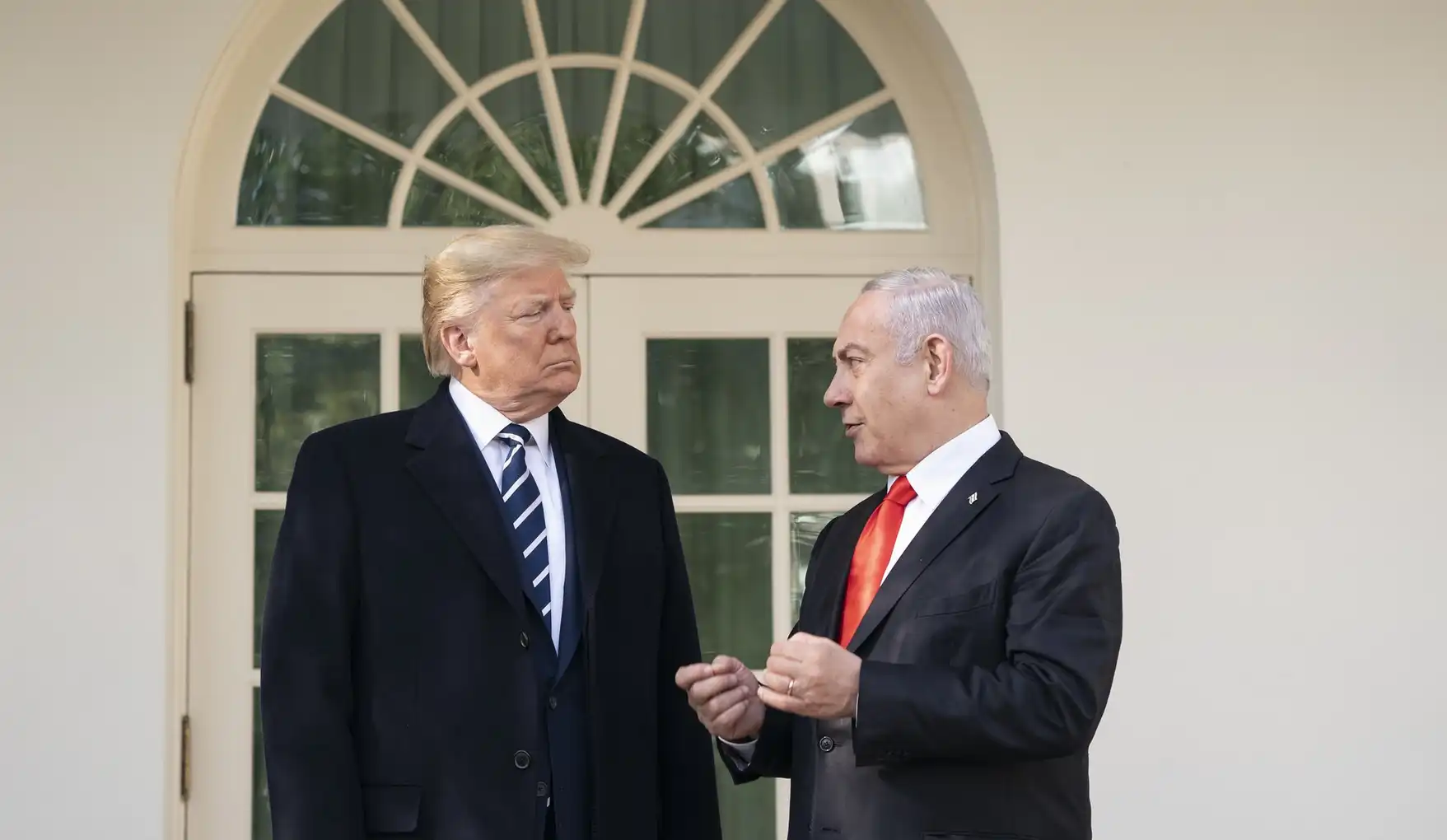
Last Saturday, discussions on security guarantees for a post-war Ukraine began in Florida, and Zelenskyy said that the ultimate agreement has still not materialized, 14 months after Donald Trump took office on a platform to end the war within his first few days as president.
Al Jazeera reported that the giant drone salvo by Russia was intended to cover up movements of troops and heavy equipment for a spring offensive, and that it’s already begun.
“Fierce fighting unfolded along the entire line of contact,” Ukrainian Commander-in-Chief Oleksandr Syrskii said Monday, on Telegram.
Very little territory has changed hands since Russia finally took the key Ukrainian city of Pokrovsk. Winter conditions are not ideal to fight in, but the war has also become more and more governed by drone units, who use these unmanned devices—sometimes as small as a dinner plate—to tirelessly seek out and attack Russian infantry. The drones have transformed the battlefield, and allow Ukrainian forces to overcome their numerical disadvantage and cover much larger areas than they could on foot.
Time and numbers
According to Jennifer Kavanagh, a senior fellow and director of military analysis at the DC military think tank Defense Priorities, Ukraine can produce much of its own military equipment now, and is entirely self-sufficient in the production of the drones needed to freeze Russian offensives.
Beyond this though, it totally relies on the US—like Israel and the Gulf States—for supply of interceptor missiles. With so many square miles of territory across Eurasia in need of Patriot, SM-3, and THAAD interceptors for protection, Ukraine, being the longest running conflict, may be the last one in line to get them.
This is in part because Ukraine has nothing that the US needs other than that it’s performing the service of degrading Russian military power through its defensive efforts. Comparatively, the Gulf monarchies offer the Pentagon prime real estate for military bases and ports, as well as cheap oil, guarantees over Israel’s security from her Arabian flank, and promise to sell oil in dollars only.
Reports during the so-called 12-Day War suggest that the US expended 25% of its entire inventory of these interceptor missiles defending Israel from Iran’s retaliatory strikes. The current war has seen Iran launch missiles and drones at 7 countries and US positions, and the Pentagon was forced to relocate Patriot batteries from South Korea to the Middle East theater. With the shootout now in its 4th week, there are significant concerns that interceptors will be in too short a supply to be transferred to Ukraine.
Would such a deficit allow Russia to leverage more of her air and missile power and potentially make a significant breakthrough during its offensive? Lately, Ukrainian military analysts have documented the advancements in missile technology employed by Russia. An upgraded cruise missile, the Izdeliye-30, that can carry twice as much explosive power and be launched from almost all existing warplanes, has proved harder to intercept than the weapon it replaced, the Kh-101.
Zelenskyy has already admitted the issue of the war in Iran and a potential shortage of air defense armaments “concerns” him and his staff.
Discussions on how to bring Vladimir Putin, whose general staff believe they have the advantage in Ukraine, to the table to make the concessions needed to finally iron out an agreement that could result in a ceasefire. Previous talks in Anchorage, Alaska, last year produced a framework with some 32 different points, several of which Moscow deeply disagreed with. Earlier in Trump’s presidency, a bilateral US-Ukraine agreement involving mineral rights was also negotiated and then never signed.
“At this point, it is not clear that either Kyiv or Moscow trusts that Washington can deliver on a deal or make good on its security promises to each side,” wrote Kavanagh in an article at the Quincy Institute for Responsible Statecraft. “For its part, Russia may fear that any guarantees from the United States on Ukraine’s neutrality or NATO expansion will be as empty as those verbal promises offered to Iran”.
We Humbly Ask For Your Support—Follow the link here to see all the ways, monetary and non-monetary.
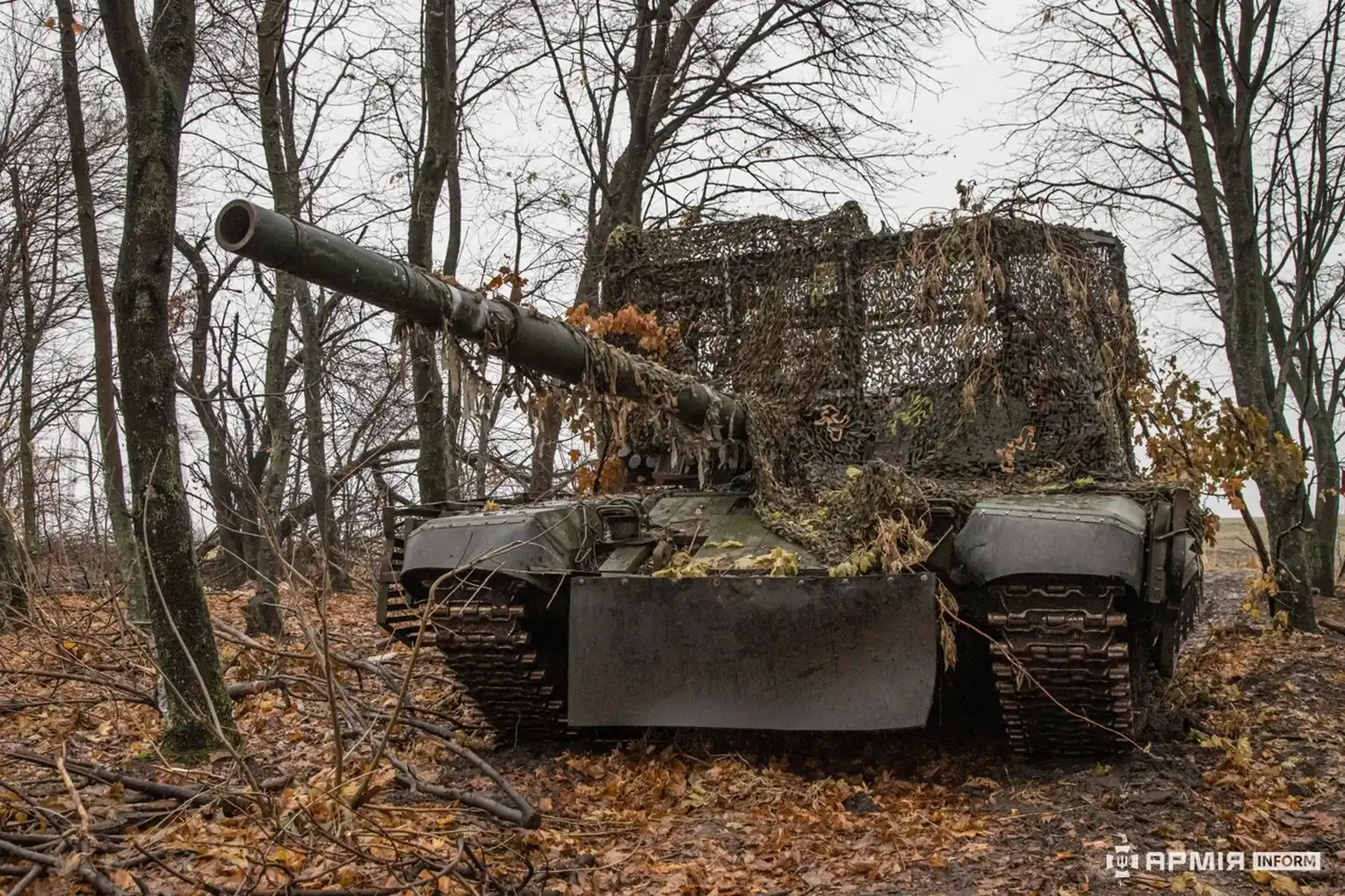
PICTURED ABOVE: A PT-91 artillery piece with an antidrone cage. PC: Army Inform, CC 4.0. Int.