 0
0
 0
0

Breaking news from the Gulf is that a 48-hour ultimatum of strikes on Iranian power plants by President Donald Trump has been postponed, with the President saying “productive conversations” were had with Tehran regarding his demands for an immediate opening of the Strait of Hormuz.
According to Iran Fars News Service, no such discussions have taken place, either directly or through an intermediary.
In response to Trump’s threat, Iranian officials warned that they would strike power and electricity facilities across the region and in Israel, following the embattled nation’s eye-for-an-eye pattern of retaliation that it has previously threatened in other instances, successfully so in the case of attacks against natural gas facilities.
“Based on the tenor and tone of these in depth, detailed, and constructive conversations, witch will continue throughout the week, I have instructed the department of war to postpone any and all military strikes against Iranian power plants and energy infrastructure for a five day period, subject to the success of the ongoing meetings and discussions,” the President wrote in all capital letters on his Truth Social page.
Iran’s Tasmin News reacted with something resembling surprise, publishing a story in the aftermath of the post with the translated headline “Trump Backs Down!”
Fars reported that Trump backed down because of Iran’s warning of reciprocal attacks, and the first official government statement was from the Iranian Foreign Ministry, which wrote in a statement that “there is no dialogue between Tehran and Washington,” and that “Trump’s comments aim at reducing energy prices and buy time to implement his military plans”.
If that were his aim, it would have followed a pattern of comments by the bi-polar President, who’s spent the last 23 days of war continually flipflopping in his position and rhetoric, warning of destruction that like of which Iran has never seen before, and of bombing the strategically vital Kharg Island “for fun,” before the next day suggesting the war will be wrapped up along this or that short timeline, or that the US will pay the insurance, and even act as escort, for shipping through the Strait of Hormuz.
Such comments were made twice right as oil threatened to break out to the upside, and in both cases led to significant price declines. US markets experienced broad declines on the last two trading days of last week, and they were threatening to fall further. Positive pre-open trades in US index futures and oil suggest his comments had the intended effect, if that were indeed the effect he intended.
TACO and Israel’s response
Israel meanwhile announced it was launching attacks on Tehran shortly after the President’s Truth Social post.
“Israeli officials appear unhappy with recent developments, having signaled since the second week of the war that Donald Trump might end the conflict prematurely, something they believe would benefit Iran and Hezbollah,” wrote Al Jazeera’s Nida Ibrahim, reporting from Ramallah in the occupied West Bank.
Whether or not there were actual discussions between the US and Iran, analysts suggest that if the aggressors, whom Iran has insisted must make the first move towards de-escalation, were to engage in serious discussions, Iran would absolutely reciprocate but with a strong negotiating hand.
“If there are guarantees, and further negotiations take place, and if there is no repeat of the same type of aggression or any kind of aggression against Iran in the future, and if there is a willingness to find a lasting deal, then I am sure the Iranians will not say no,” said Al Jazeera’s Mohammed Vall, reporting from Tehran.
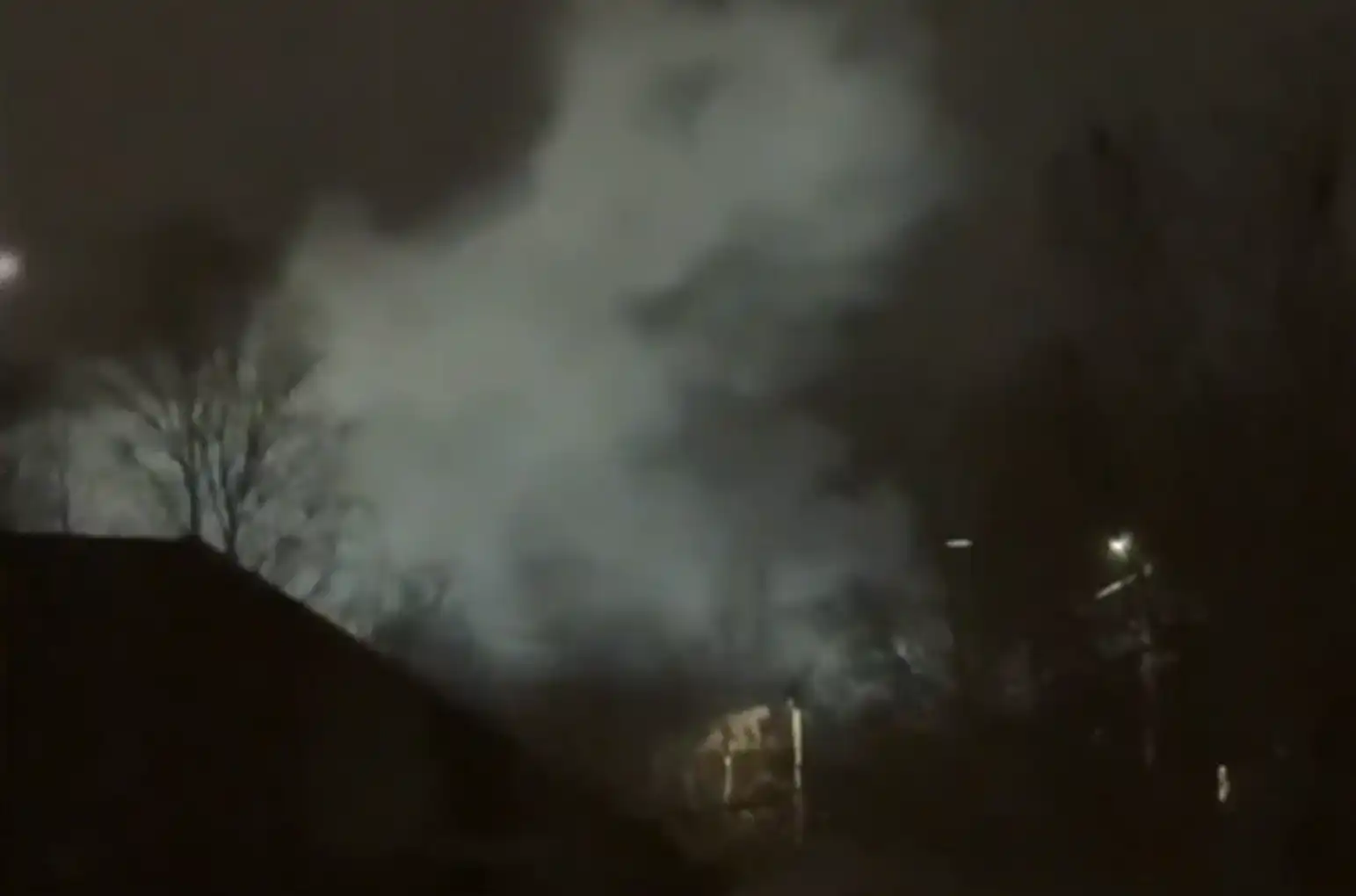
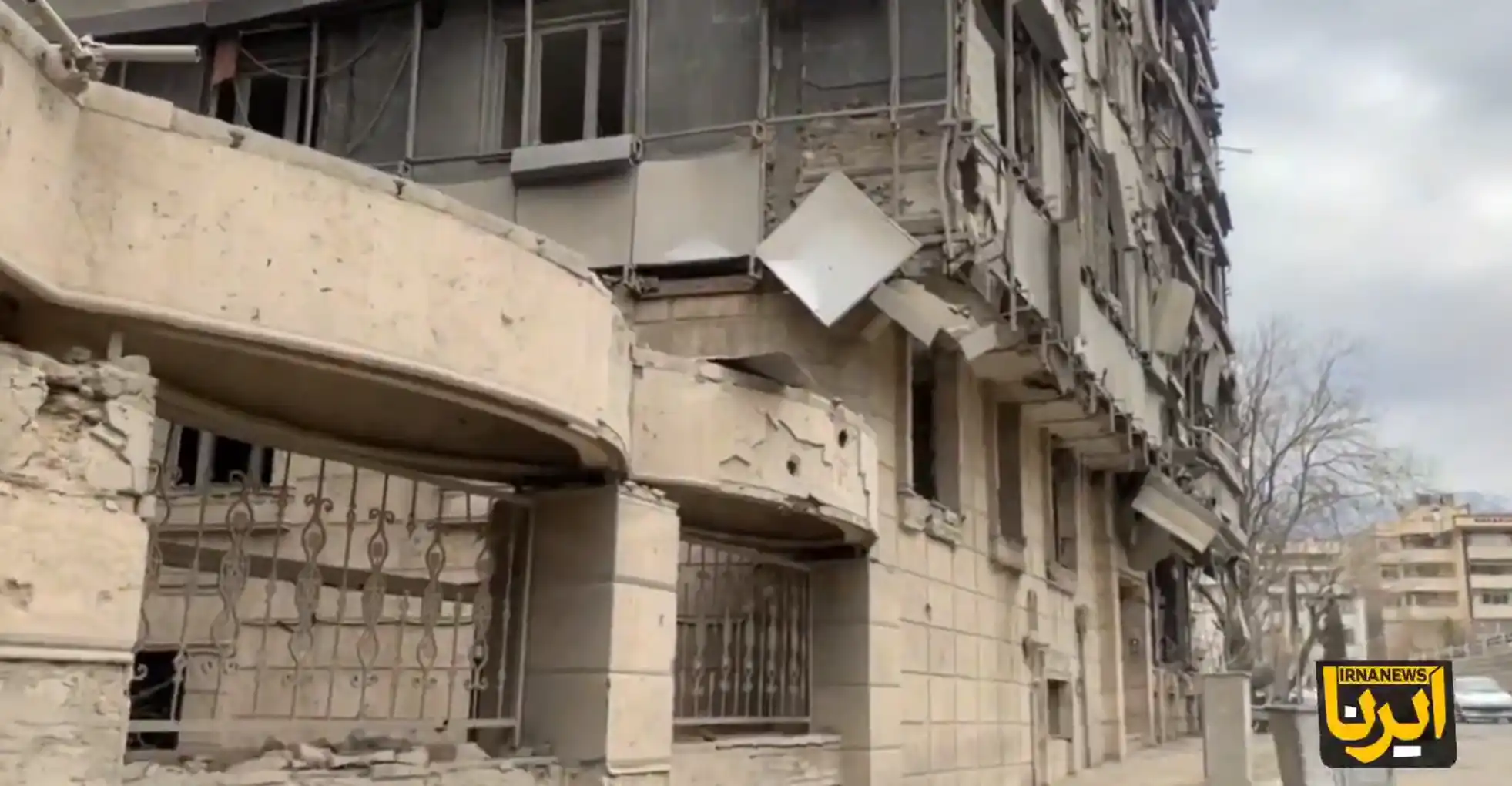
The acronym TACO for “Trump Always Chickens Out” has surged in use and popularity since the war began. The Iranian Revolutionary Guard Corps has proven itself to be as resourceful, dug-in, and formidable as decades of military planning has assumed them to be. Their ability to hit targets, even with so much targeting infrastructure destroyed by US air power, was proven on Saturday with the twin missile attacks in Israel’s Arrad and Dimona, the latter of which hosts Israel’s nuclear energy and weapons facilities. 180 people were injured, and others were killed in the attacks that collapsed multiple buildings and left 1,000 people homeless.
Iran’s threat if their power infrastructure was attacked would be to retaliate against every equivalent structure in the Gulf states, countries hosting US bases like Iraq and Jordan, and Israel. In the case of the Gulf, 90% of their drinking water comes from electricity-hungry desalination plants. Blackouts in a country like UAE would not only mean no electricity and the chaos that would come with it, but no water either.
If there were a point—which hasn’t been reached even as far as the war has gone—that would cause a rupture in the relationship between the US and the Gulf, that might be it. Did Trump TACO? One could hardly blame the man if he did. WaL
We Humbly Ask For Your Support—Follow the link here to see all the ways, monetary and non-monetary.
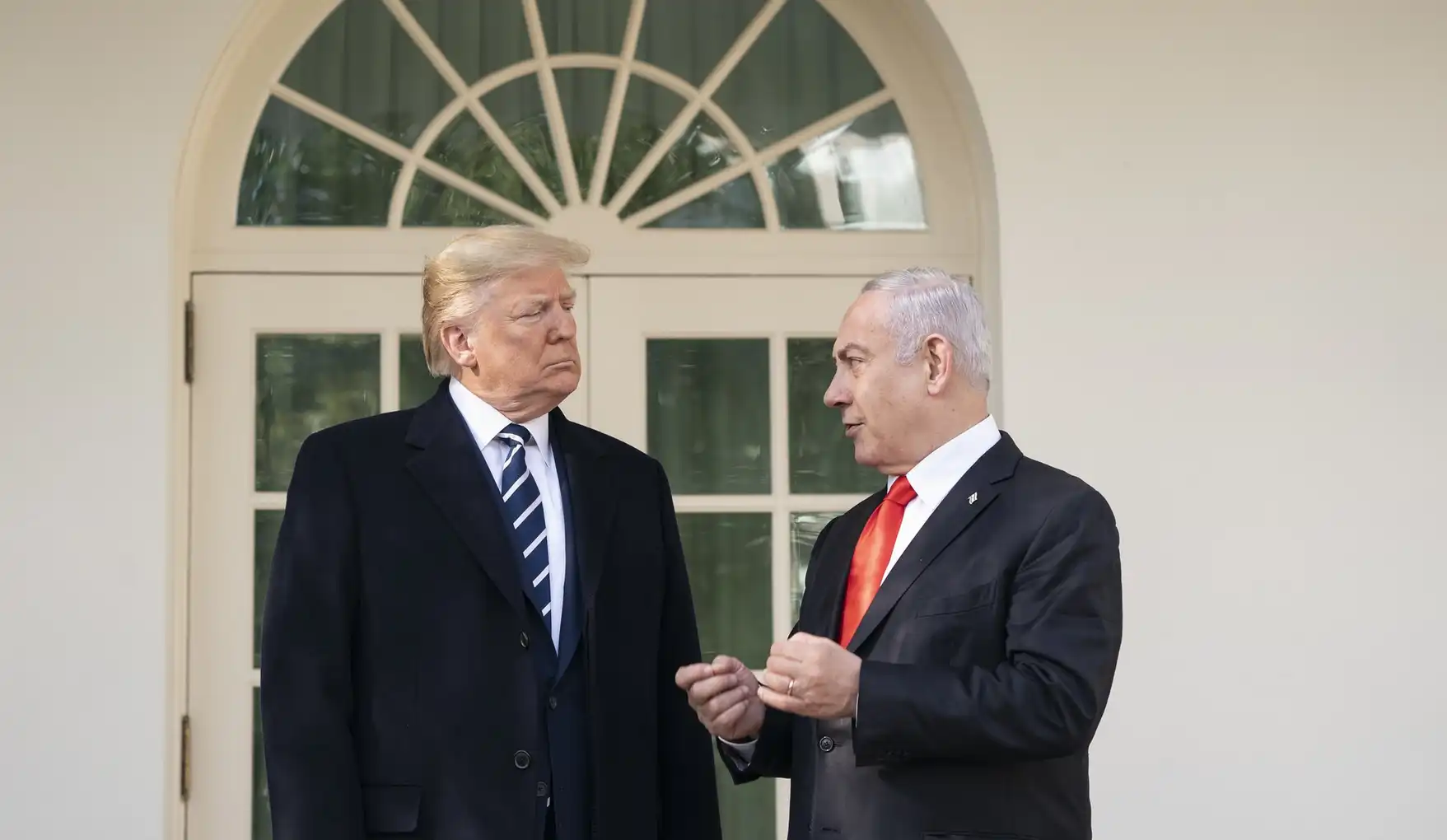
PICTURED ABOVE: President Trump meets with Benjamin Netanyahu in April, 2026. PC: The White House via Flickr.