 0
0
 0
0

Four days into the missile-heavy hostilities that have engulfed the Gulf and reporters in the Arab world are hot on the beat of how long nearby states can continue to shoot down Iranian drones and missiles.
It’s been well-reported that the systems used by UAE, Qatar, and Bahrain, such as the THAAD and Patriot missile defense platforms, are sophisticated, and it take months to manufacture the replacement munitions. At the same time, concerns among these states are that Iran has developed a strategy of mass-producing weapons that cost a small fraction in comparison.
This paradigm, which American officials have often been quick to dismiss, came to a head on Tuesday when US Central Command rebuffed requests from at least one Gulf ally for more interceptors for their missile defense systems. That was according to an unnamed US official speaking with Middle East Eye, who said “we have shot several years’ worth of production in the last few days,” referring to interceptor missiles.
It’s not uncommon to see 2, 3, or even up to 10 interceptors being deployed to destroy a single Iranian ballistic missile, which in some phone camera videos taken by onlookers and verified by major news outlets, isn’t even always successful.
“In a separate case, another Gulf state responded to US requests to use air bases in their country with enquiries about the US’s commitment to their air defense systems, a western official familiar with the matter told MEE,” the outlet wrote.
The UAE said on Monday it had destroyed 814 of the 871 drones, ballistic missiles and cruise missiles fired at it since Saturday, meaning it’s likely they’ve used over 1,000 interceptor rounds at least. While UAE and Qatar didn’t come under fire during Iran’s shootout with the Israelis in June of last year, the US and Israel very much did, and will have depleted a certain amount of interceptors over the 12 days of strikes. It’s likely that the overall count of these interceptors was never fully replenished.
This potential weak point in the Israeli-US-Gulf air defense shield was dismissed by President Trump, who said in a post on Truth Social on Tuesday that the stockpiles of medium and upper medium-grade weapons have “never been higher or better”.
“As was stated to me today, we have a virtually unlimited supply of these weapons,” the president wrote. “Wars can be fought ‘forever,’ and very successfully, using just these supplies (which are better than other countries finest arms!)”.
Besides the crushing irony of Trump using the word ‘forever’ to describe the American military’s fighting potential, having himself vigorously campaigned for the Presidency on a promise of “no forever wars,” the statement yet again highlights the Jekyll-and-Hyde messaging emerging from the White House over the as-yet brief conflict.
Official messaging from the President was that there was an imminent attack on US interests in the region planned by the Iranians, which was subsequently denied by his own Pentagon, and conveyed to multiple Congressmen and Senators. Additionally, the President has said the war will likely last between 2 and 4 weeks, while the Defense Secretary Pete Hegseth said it would go on for as long as it takes to achieve America’s war aims.
On the announcement of hostilities, the President said the goal was to destroy Iran’s ballistic missile program, only for another objective, the destruction of her navy, to be tacked on after the war was launched. Senator Lindsay Graham, who reportedly met with Crown Prince Mohammed bin-Salman to “get him onboard” with the operation to kill the Ayatollah, told Meet the Press that “there is no plan” for what happens after the theocratic government was overthrown—an aim not stated by the President in his social media post that announced the war.
Regarding missiles and interceptors, US officials have told Fox that Iranian missile attacks are slowing. Certain Iranian sources speaking with Al Jazeera have said that most of Iran’s weapons will be buried deep underground, and that a reduction in missile launches doesn’t necessarily suggest that they’re running low on weaponry. Time will tell best, as will whether or not, as the UAE has stated publicly, they remain well-stocked with anti-missile defenses. WaL
We Humbly Ask For Your Support—Follow the link here to see all the ways, monetary and non-monetary.
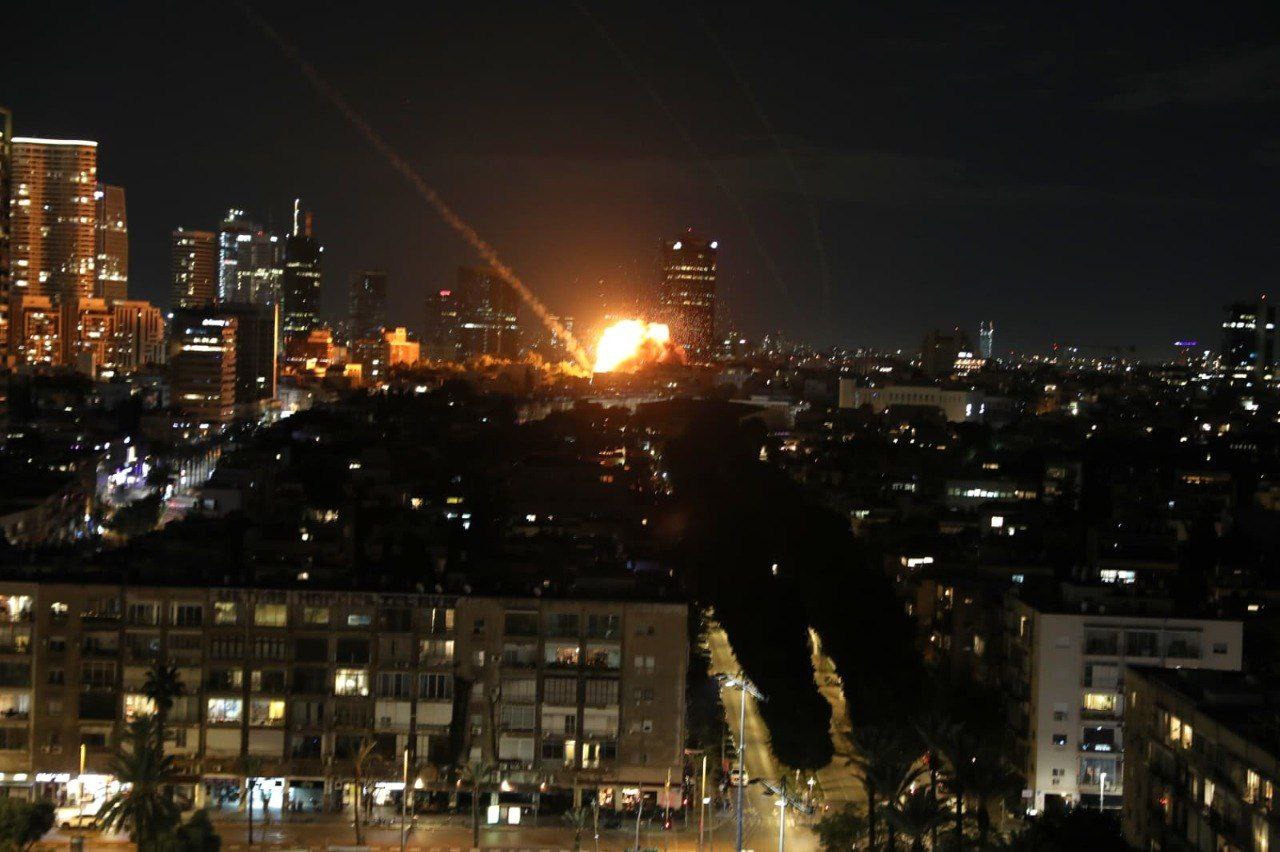
PICTURED ABOVE: The exact moment an Iranian missile impacts in Tel Aviv, on February 28th. PC: @OSINTWarfare.