 0
0
 0
0

This is Part 3 of a 4-part story on the advent of critical minerals on markets and national security policy, you can read part 1 here, and part 2 here.
In part 1 of this series, it was examined how copper, a newly-designated critical mineral despite being extracted by the billions of pounds in the Western Hemisphere every year, could possibly be considered critical. Refining capacity is the primary reason, as even though North and South America extract copious amounts of copper ore, the finished product is more often than not produced in China, where 4 of the 5 largest smelters in the world are located.
Shortages of copper have been predicted by natural resource analysts and speculators for a decade—that’s because fundamentally the root causes of those shortages have been there longer than a decade. Though many will cite China’s refining capacity as some kind of calculated plot to bottleneck global supply chains, it’s just as likely the growth/infrastructure-driven Chinese economy just saw a reliable and convenient sector to invest in. Any investor, much less nation, could have made that bet, and many indeed have as the price of copper has soared over the last 18 months.
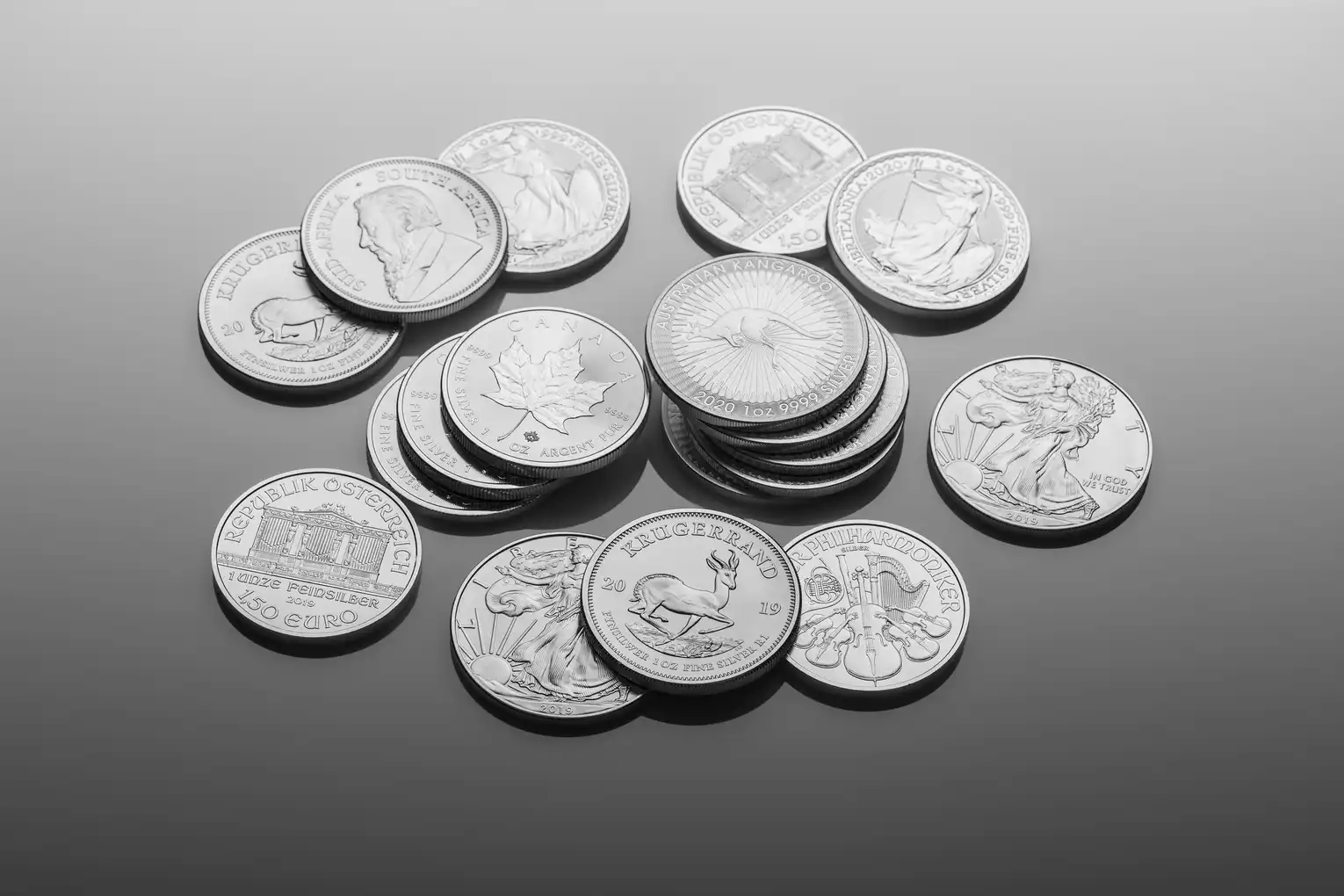
Silver too follows a similar, albeit more intense concentration in refining capacity, but while China controls just 8% of global copper mining, the country is the second-largest silver producer, behind Mexico.
“In 2024, China absorbed nearly 89% of global silver ore and concentrate exports, sourcing primarily from Peru, Mexico, and Bolivia,” explains Rahul Sen Sharma, the stock indexer interviewed in part 1 of this series. “South American countries do have some refining capacity, but it is smaller in scale relative to China’s large industrial processing base”.
“Mexico and Peru have refining infrastructure that handles some silver materials, but much of the high-volume industrial refining—including conversion of concentrates into high-purity metal—occurs in China due to lower costs, scale, and infrastructure”.
The silver price has gone up 4-fold from its most recent low, and at publishing time, the metal is trading above $90 an ounce. This meteoric rise was driven by several factors. The first is a general bull market in commodities, with a particularly long and robust showing in precious metals; which in and of itself will have a variety of factors related to speculation, market uncertainty, geopolitical risks, etc. The second is manufacturing. Sen Sharma again.
“A lot of people don’t know this and we certainly didn’t, but the amount of materials that are required for an AI data center is enormous. Microsoft is building a new half-billion dollar data center in the Chicago area, and that data center will require 2,200 tons of copper. Between now and 2028, the US is expected to add 50 gigawatts of data center capacity. Well, each gigawatt requires 5,500 tons of copper—that’s just to power AI”.
“On the silver side, same story. It has the highest electrical conductivity of any metal, and we saw that by 2030, clean energy alone will be half the industrial demand for silver—while the US imports 65% and mine output is flat. There’s going to have to be a solution”.
Silver is also set to be the input for Samsung’s new generation of all-solid-state batteries, to be included in phones, laptops, and electric vehicles eventually. The grey metal was designated as “critical” by the US Geological Survey in November of last year, which combined with the battery news and the arcing gold price, sent silver to multiple, consecutive, new all-time highs. Though it might be considered critical, silver certainly isn’t rare by mining standards, and in fact the majority of supply is mined in search of the other classic metals that share space, namely gold, copper, lead, and zinc.
Additionally, there’s a growing, and expected-to-increase shortage of physical refined silver in comparison to paper claims on silver and existing supply futures contracts, which will put its own pressure on the price in months and potentially years to come.
Short of trying to convince any readers to invest in silver, the point is that silver—and most definitely the miners who pursue it—have been in a really optimal position for investment for years, but markets and speculators haven’t taken up the cause. If Trump wanted to, he’d find many stocks to choose from.
The cobalt blues
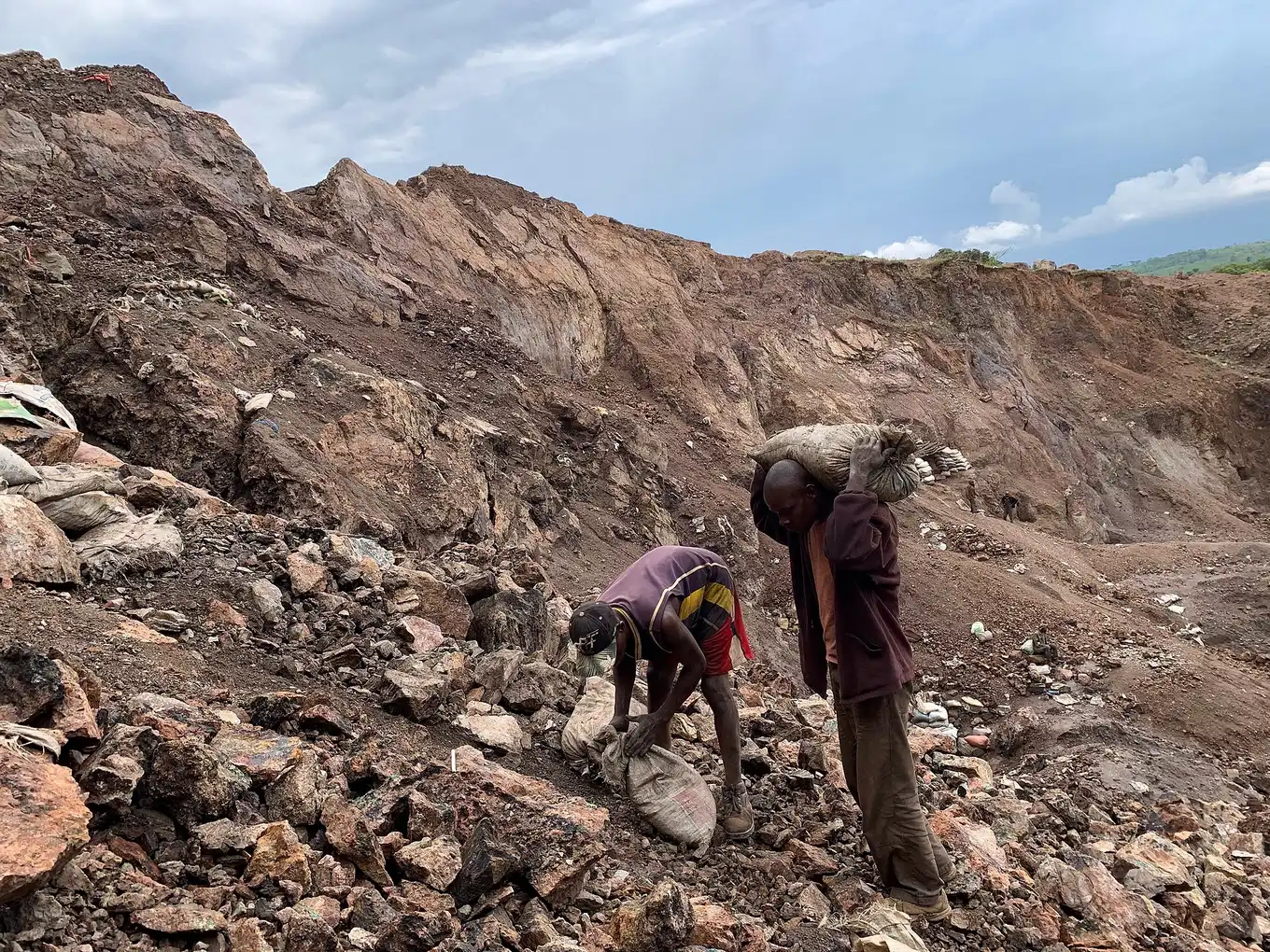
Cobalt holds a position of high regard among the critical minerals due to its concentration of supply. During the time that Siddarth Kara was writing his best-selling expose Cobalt Red, 75% of the world’s cobalt mining occurred in the Democratic Republic of the Congo.
Essential for lithium-ion batteries, and thus EVs, cobalt is also necessary for the manufacture of smartphones, laptops, and a variety of sophisticated military hardware, such as in cobalt superalloys in the manufacture of jet engines and satellites, as well as for connectors, thermal switches, and microsensors that must endure the extreme temperatures of fighter aircraft speed and maneuvering, as well as missile launch and flight.
Recently, Congo set new export conditions to keep a tight grip on cobalt, including physical inspections, a quota system, mandatory compliance certifications, and a pre-paid, 10% mining royalty in advance of sale and shipment. No shipments have moved since the ban was lifted, according to Metals Weekly, “as producers seek clarity and work to meet compliance rules”.
Metals Weekly continued saying that DR Congo allocated 18,125 metric tons of export quotas for the fourth quarter of 2025 and plans 96,600 tons annually from 2026. Top producers China’s CMOC and Glencore, a Swiss-Anglo conglomerate miner and commodity producer, received the largest quotas. In 2024, America’s annual cobalt consumption was believed to 8,400 metric tons.
“While the DRC remains the epicenter for cobalt production, stakeholders worldwide are investing in supply chain diversification efforts,” Sen Sharma tells WaL. First Cobalt, now called Electra Battery Metals, is a North American cobalt company and owner of the only permitted primary cobalt refinery in North America, the company’s investor profile reads. The company is exploring a restart of the First Cobalt Refinery in Ontario, Canada, which could produce over 25,000 tons of cobalt sulfate per year from third party feed.
As part of the series of ceasefires and peace agreements he sought to mediate, President Trump, with the White House’s stalwart, jack-of-all-trades negotiator Qatar backing it up, oversaw the agreement of a cessation of hostilities between Rwanda and the DRC in the eastern territory of Congo, which began after the Rwandan Genocide in 1994.
“We’re getting, for the United States, a lot of the mineral rights from the Congo as part of it,” Trump said at the time. The Guardian reports there are over 100 armed groups active in the mineral-rich eastern region between DRC and Rwanda. It remains to be seen how the new controls and quotas will work under whatever was stipulated in the agreement, and well as how unhappy Trump will be to see that the biggest share was delegated to China, but the whole business—alongside the human rights violations and “sub-human” conditions of artisanal cobalt miners—highlights the cost of the West’s multi-decade underinvestment in mining.
Electra’s Idaho mine site contains 10,250 tons of cobalt measured and inferred, and that’s only a fraction of the “Idaho Cobalt Belt,” estimated to contain as much as 190,000 metric tons of cobalt in just one, toxic, unfunded, derelict mine called Blackbird. In a report on the belt, The Atlantic admitted “no one really knows how much cobalt is in the Idaho Cobalt Belt,” but one can infer it’s more than the totals assayed and dug at Blackbird and those owned by Electra.
Electra Battery Metals was included in the Indxx Global Critical Metals Fund, the financial index made by Mr. Sharma.
The cost of environmentalism’s gains
Mining industry experience, financial analysts, and investors spoken to by WaL for this series have generally been in agreement that environmentalism had a large impact on the growth in mining investment at the exact moment when uses for things like cobalt, gallium, vanadium, and neodymium were becoming economical. These would have been niche investments at the time, probably there to be made by professional investors in the mining sector who understood the best way to explore for, extract, smelt, and market them.
But one problem with expansion into rare earths was that projects for mining’s chief targets, including iron, copper, coal, and Ag-Bb-Zn (silver-lead-zinc) were becoming harder and harder to get off the ground.
“I’ve been involved before in a metallurgical coal operation, and that’s ‘critical’ for virgin steel, you can’t make it without met coal, and the guys that were doing it were Australian. Why were Australians setting up a mine in Virginia, USA? They said in Australia you just cannot get a new coal mine approved,” said Mr. Rowan Parchi, the Australian market analyst, developer, CCO, and investor WaL spoke to for the second part of this series.
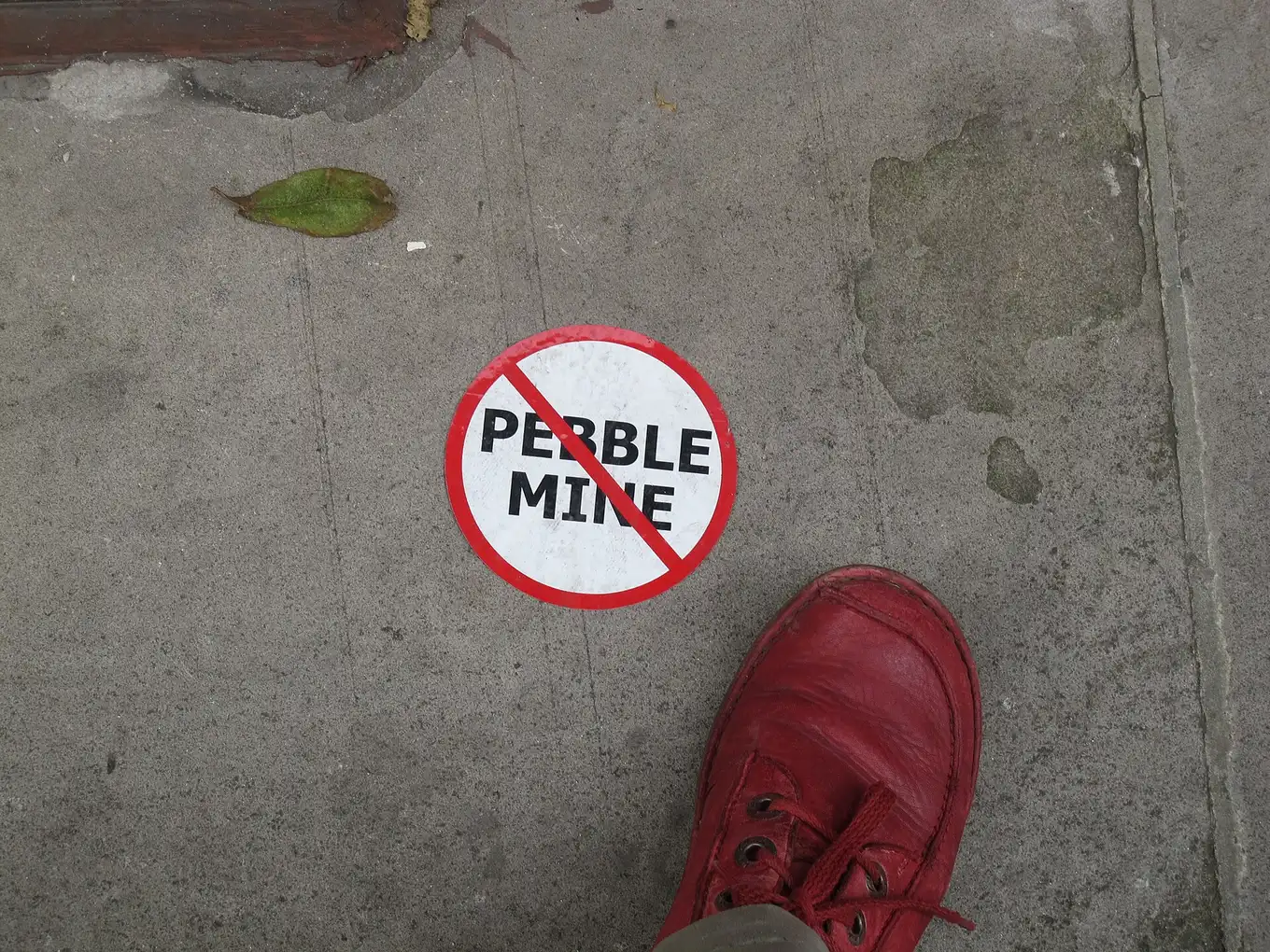
Pebble Mine, the world’s largest undeveloped copper resource, assayed 60 billion pounds, was famously denied an operating license after a long legal battle with environmentalists.
“There is no question that a sophisticated environmental activist community has been effective in delaying and stopping projects,” John Shively, CEO of Pebble Mine, told WaL. “There has not been a mining project in the US that has had support from an ENGO (environmental non-governmental organization)”.
“Opposition to projects like ours has also been a fundraising boon for activist organizations,” Shively continued. “In addition, Democrats in public office are more often than not opposed to mining projects, particularly when it comes to base metals such as copper, because environmental organizations [and their members] are one of the core constituencies”.
In an answer to a different question—about whether copper is underexplored for in America—Shively states that no amount of additional capex or focus on mining should diminish environmental protections related to mining activities, but the CEO suggests that without a “revolutionary” change in attitude, it will be extremely difficult to develop the nation’s mineral resources to meet the kind of demand seen now and in the future.
Parchi points out that Australia and the EU—comprising some of America’s closest allies, have by-and-large even more stringent environmental regulations than the US. If a pinch of journalistic laziness were permitted, the same trends and challenges for mining in America over the last 50 years could be inferred to have been both present and more intense in these NATO countries and partners.
“Not just in the US but in other countries as well, getting a mine up and running is very expensive,” Sen Sharma said with a slight pessimism. “Another good example in the US is just to look at how to build new nuclear reactors over the last 10 or 15 years, it’s been unimaginably expensive and many projects were abandoned”.
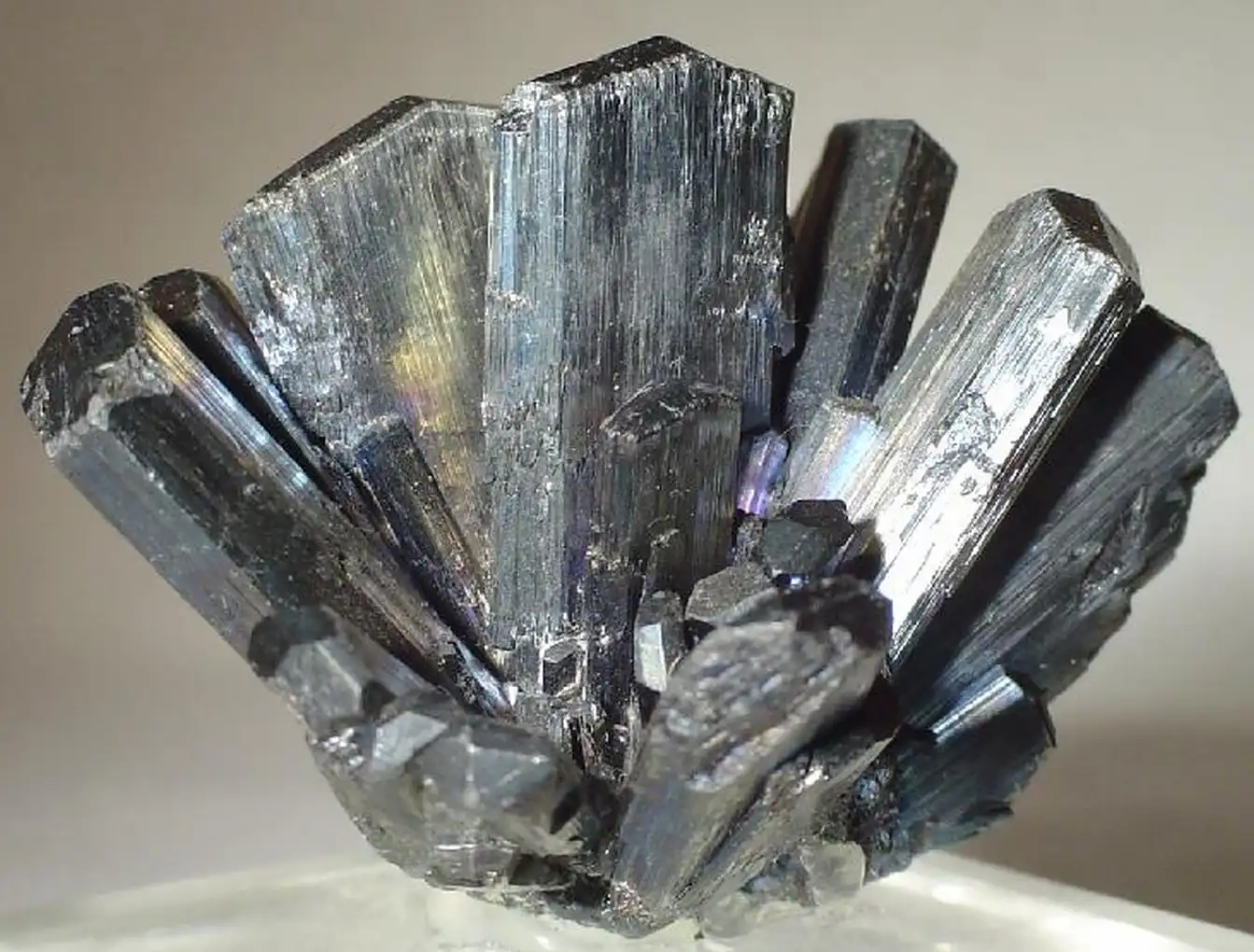
Advocates for not only a more robust investment community in mining and refining, but a more hawkish, protectionist trade policy, agree that permitting for environmental reasons is taking too long for certain mines. Army Major General (Ret.) William Crane, a member of the Responsible Battery Coalition which lobbies for a whole-of-government approach to developing critical minerals, wrote recently about how critical the critical mineral antimony is to the US.
He says it’s “used in every bullet, every pair of night-vision goggles, and in the starter battery of everything that floats, flies, or drives, from every howitzer to every stealth bomber”.
In May, the Interior Department issued a final Clean Water Act permit to Perpetua Resources’ Stibnite gold and antimony project in Idaho, which had been under exploration, development, and permitting for 20 years. Like Electra’s cobalt mine, it’s the only recognized major deposit of antimony known in the US.
There’s a lot that can be taken away from the situation—a metal used in something as basic and needed as bullets has been underexplored for in the US, and after being found at the height of the Global War on Terror, the mine couldn’t get up and running for 20 years, before eventually needing a fast-track permit to clear Clean Water Act restrictions, even though the PEA (preliminary economic assessment) predicted 450,000 ounces gold production annually at peak levels—putting it among some of the most productive gold mines on Earth.
If a single entry in the story of American critical minerals could better summarize the story itself, that might be it. WaL
We Humbly Ask For Your Support—Follow the link here to see all the ways, monetary and non-monetary.
PICTURED ABOVE: A No Pebble Mine sticker in London, England. PC: Maggie Jones, via Flickr.